Stephen Covey revolutionized productivity with his four-quadrant time management system in "The 7 Habits of Highly Effective People." His weekly planning approach moves beyond daily to-do lists, helping you focus on what matters most rather than what screams loudest.
The Covey method isn't about cramming more into your week — it's about doing the right things at the right time. By planning weekly and thinking in quadrants of urgency and importance, you can finally break free from firefighting mode and build momentum toward your biggest goals.
What Makes Covey's Weekly Planning Different
Traditional planning tools focus on when things are due. Covey's system focuses on why they matter. His famous four-quadrant matrix separates tasks by urgency and importance, revealing where most people waste their time and energy.
Quadrant 1: Urgent and Important — Crises, emergencies, deadline-driven projects. These demand immediate attention but shouldn't dominate your week.
Quadrant 2: Important but Not Urgent — Prevention, planning, relationship building, learning. This is where high performers live. Covey argues that spending more time here prevents Quadrant 1 fires from starting.
Quadrant 3: Urgent but Not Important — Interruptions, some calls and emails, popular activities. These feel productive but rarely move you toward your goals.
Quadrant 4: Neither Urgent nor Important — Time wasters, excessive social media, mindless activities. Pure productivity poison.
The Weekly Planning Ritual
Covey recommends a weekly planning session — typically Sunday evening or Monday morning — where you step back from daily urgencies and think strategically about the coming week. This isn't just scheduling; it's aligning your time with your values.
Start by reviewing your roles and responsibilities. Are you a manager, parent, student, community volunteer? Each role deserves intentional attention. For each role, identify 1-2 important outcomes you want to achieve this week — not urgent tasks, but meaningful progress.
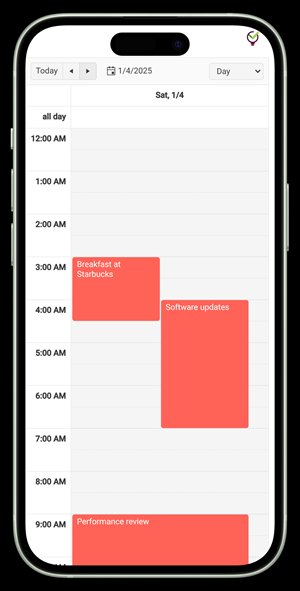
Next, look at your calendar and find your prime time — when you're most focused and energetic. Block this time for Quadrant 2 activities first, before meetings and deadlines claim your best hours.
The magic happens when you connect weekly intentions to daily actions. Each morning, review your weekly plan and choose the most important things for today, regardless of what feels urgent.
Digital Tools for Covey's Method
Covey wrote before smartphones existed, but his principles work beautifully with modern tools. The key is choosing software that supports quadrant thinking rather than just deadline management.
Traditional task managers organize by due date, which pushes you toward Quadrant 1 thinking. What you need is a system that lets you categorize by importance and review weekly intentions daily.
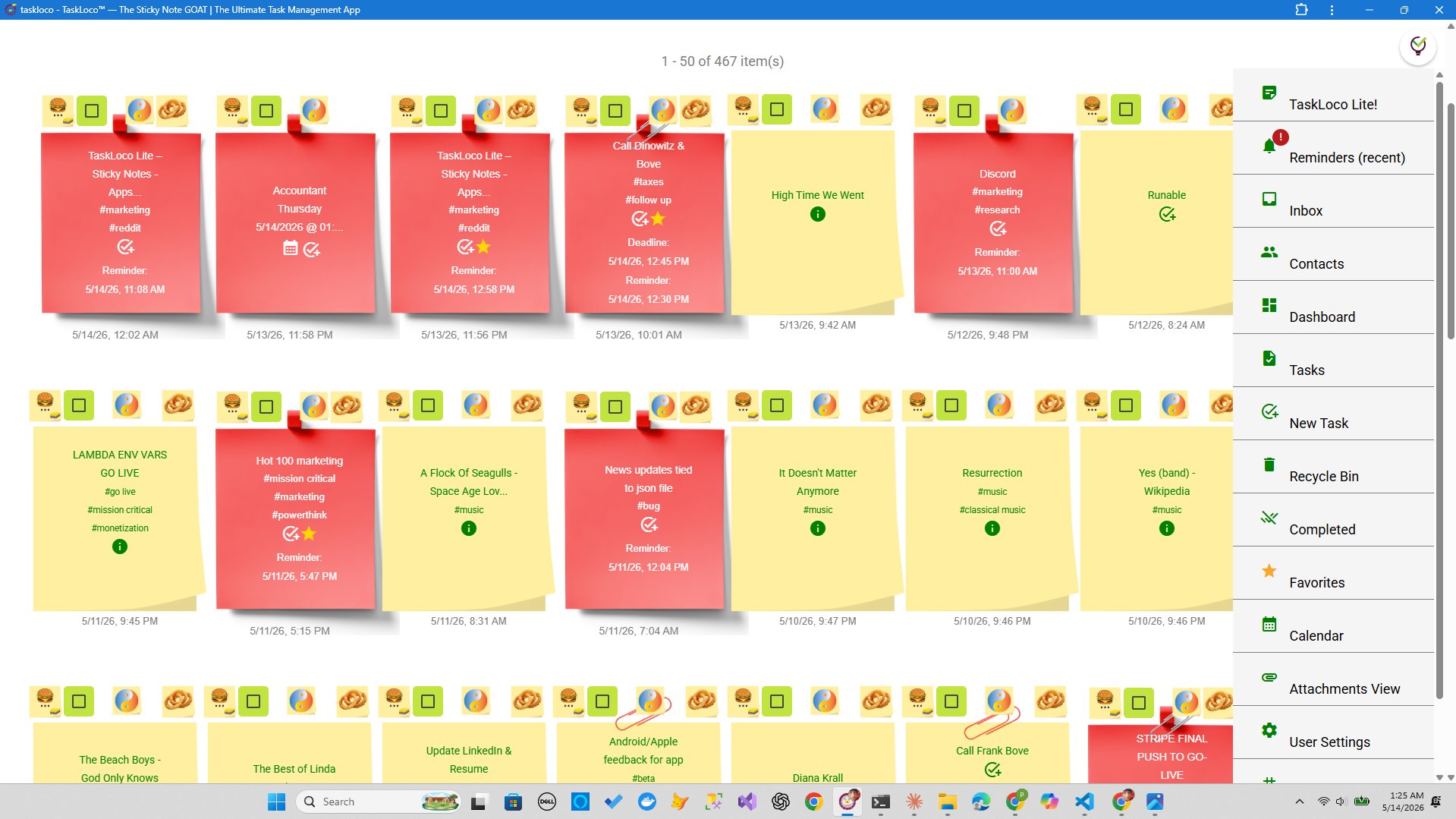
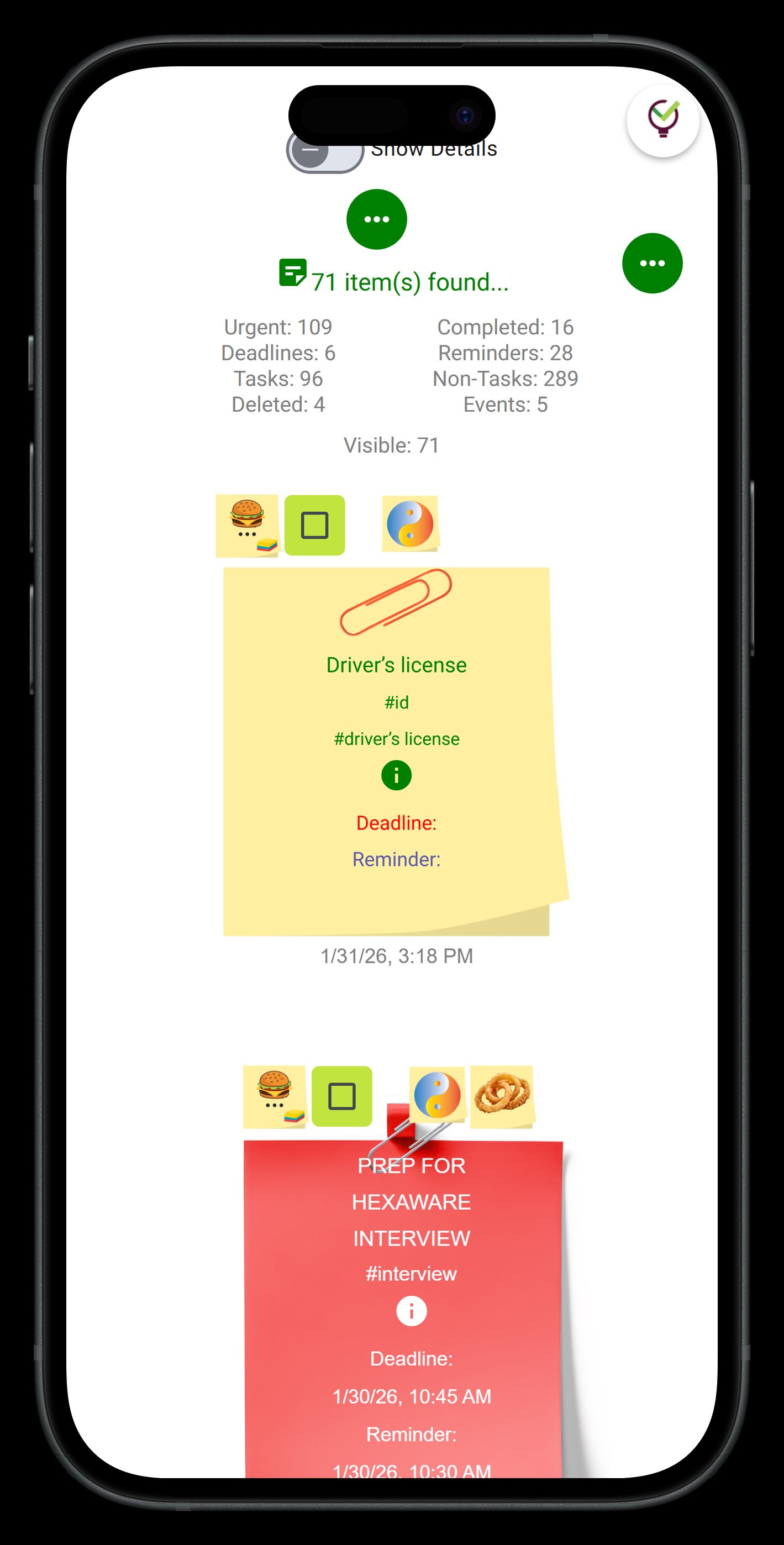
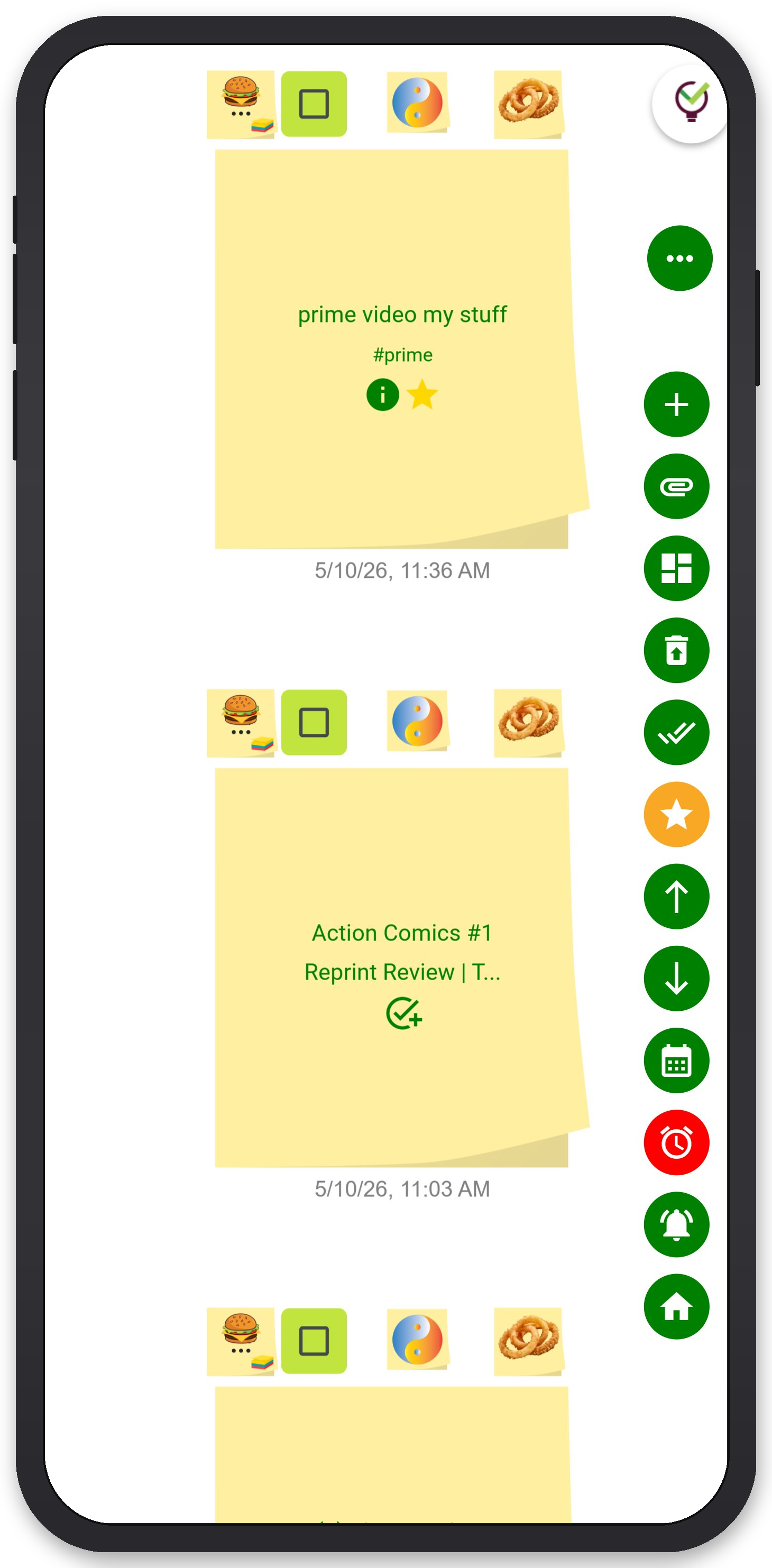
Sticky note apps like TaskLoco excel here because they mirror the flexibility of physical planning. You can create separate notes for each quadrant, drag priorities around as circumstances change, and keep your weekly overview visible alongside today's tasks.
The visual nature of sticky notes also matches how our brains work. When you can see all four quadrants at once, patterns emerge. Maybe you're spending too much time in Quadrant 3 meetings. Maybe you've scheduled no Quadrant 2 time for strategic thinking.
Making It Stick: Weekly to Daily
The hardest part of Covey's system isn't the weekly planning — it's staying connected to those intentions when daily chaos hits. Urgent emails flood in. Colleagues interrupt with "quick questions." Deadlines shift unexpectedly.
This is where having your weekly plan in your pocket changes everything. Instead of reacting to whatever screams loudest, you can pause and ask: "Does this serve my weekly intentions? Is this Quadrant 2 work or just urgent noise?"
Set up reminders that bring you back to your weekly plan. Not just calendar alerts, but thoughtful prompts that help you reconnect with your bigger picture. Some people review their weekly note every morning with coffee. Others check it before accepting new commitments.
The goal isn't rigid adherence to your weekly plan — it's conscious choice. When you know what matters most this week, you can decide intentionally whether urgent requests deserve your attention or not.
TaskLoco Premium is regularly $9.99/month per person. Right now, charter members can lock in 50% off the regular price — forever. That means $4.99/month per person today. And if our price ever goes up, you still pay half. Always.
Code CHARTER50 auto-applies at checkout. First 500 spots only — once they're gone, this offer is gone permanently. Act fast while spots last.
Every Premium subscription includes unlimited notes, 10GB file storage, reminders, calendar, and team sharing. Each team member requires a separate subscription. 7-day free trial — no charge until day 8. Cancel anytime.
Free Options: TaskLoco
TaskLoco Lite
- Native iPhone & Android app
- Completely anonymous — no sign-in
- Data stays on your device
- Up to 20 notes
- Free forever
TaskLoco Lite Plus+
- Web app + Chrome extension
- Sign in with Google
- Wall syncs across all devices
- Up to 30 notes
- Free forever
Lock In 50% Off — Forever
7-day free trial. No charge until day 8. CHARTER50 auto-applies at checkout.
🔒 Lock In My Charter SpotSee TaskLoco in Action
Frequently Asked Questions
How long should weekly planning take using Covey's method?
Covey suggests 20-30 minutes for weekly planning. Start by reviewing your roles and identifying 1-2 important outcomes for each. Then schedule Quadrant 2 time in your calendar before other commitments claim your best hours.
What's the difference between Covey's system and regular to-do lists?
Traditional to-do lists organize by deadline or completion. Covey's system organizes by importance and urgency, helping you focus on Quadrant 2 activities that prevent crises rather than just responding to them.
How do you handle urgent interruptions with weekly planning?
Weekly planning gives you criteria for evaluating interruptions. Ask: Is this truly Quadrant 1 (urgent AND important) or just Quadrant 3 (urgent but not important)? Your weekly plan helps you say no to urgent-but-unimportant requests.
Can Covey's weekly planning work for teams?
Absolutely. Teams can share weekly planning notes to align on priorities and identify overlapping Quadrant 2 activities like training or process improvement. $9.99/month per person (currently $4.99/month per person for first 500 charter members with code CHARTER50)
What if my weekly plan gets completely derailed?
Covey expected this. The value isn't in perfect execution but in conscious choice. When plans change, you can decide intentionally which priorities to adjust rather than just reacting to whatever screams loudest.
How do you identify Quadrant 2 activities?
Quadrant 2 activities are important but not urgent: planning, prevention, relationship building, learning, and working on your most meaningful goals. They rarely have hard deadlines but create the biggest long-term impact.
Should you plan every hour of the week?
No. Covey's weekly planning focuses on intentions and priorities, not minute-by-minute scheduling. Block time for your most important Quadrant 2 work, then leave flexibility for the inevitable Quadrant 1 issues that arise.
Born in Brooklyn. Powered by AWS. Your data stays yours.
TaskLoco is available on iPhone, Android, Chrome, and every web browser.