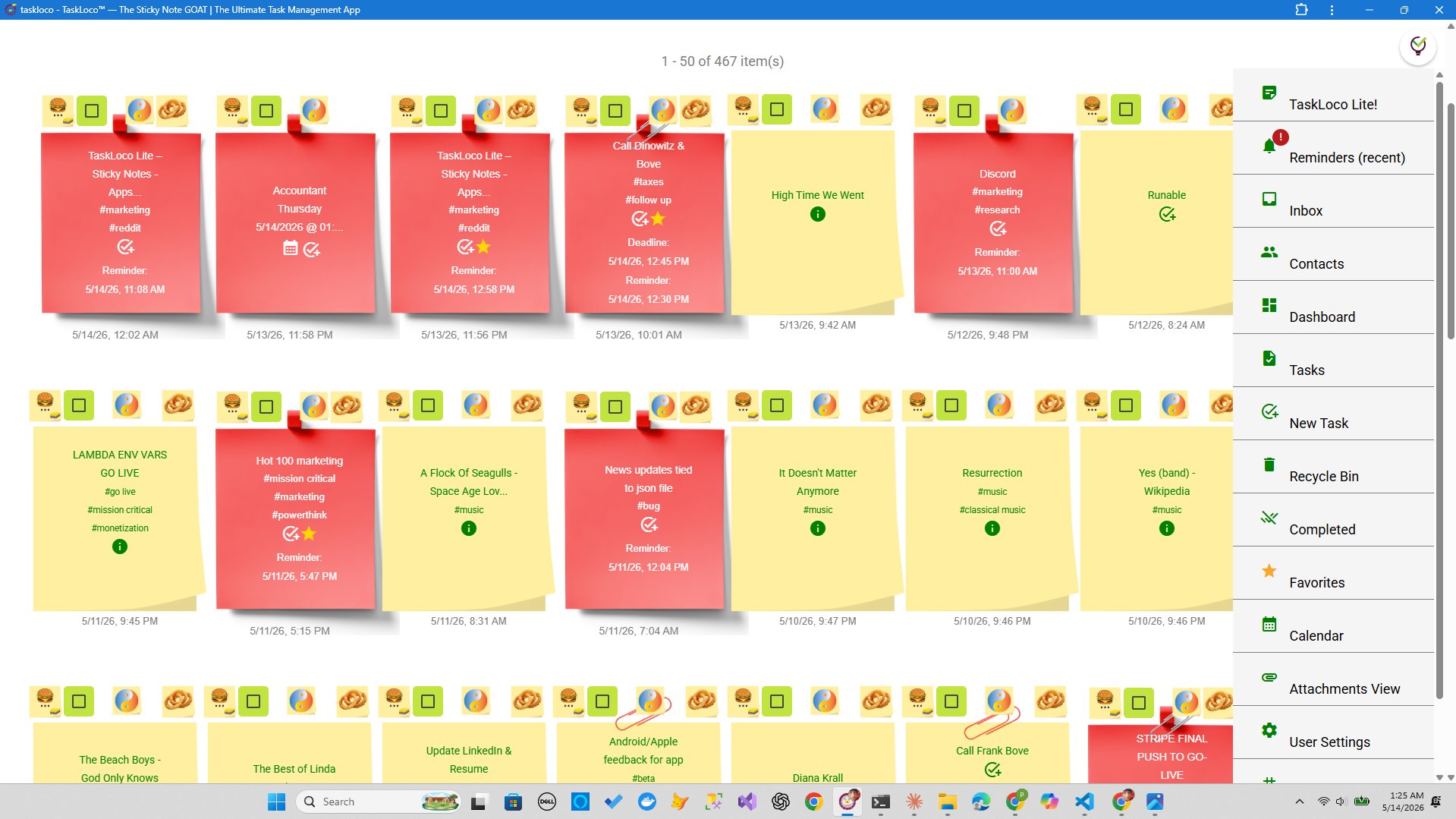
You open your project board and instantly feel overwhelmed. Dozens of columns, color-coded labels, swimlanes, and cards scattered everywhere. Your brain starts shutting down before you even figure out what needs your attention. This is board fatigue — and it's killing your productivity.
Board fatigue happens when visual project management tools become more complex than the work they're supposed to organize. What started as a simple way to track tasks evolves into a maze of workflows that nobody actually follows. The good news? It's completely fixable once you understand what's going wrong.
The Warning Signs of Board Fatigue
Board fatigue doesn't happen overnight — it creeps in as your project management system grows more complex. Here's how to spot it before it derails your team's productivity.
Visual Overwhelm: You can't scan your board and immediately understand what's important. Cards are scattered across multiple columns with no clear priority. Labels and tags create more confusion than clarity. Your eye doesn't know where to look first.
Process Paralysis: Team members stop updating cards because they can't figure out which column a task belongs in. Simple status changes require multiple clicks through dropdown menus. People start working around the board instead of with it.
Meeting Fatigue: Daily standups turn into 30-minute sessions spent explaining board mechanics instead of discussing actual work. You're spending more time talking about the system than using it to get things done.
What Causes Board Fatigue
Understanding why boards become overwhelming helps you prevent the problem from recurring. Most board fatigue stems from a few common mistakes that compound over time.
Feature Creep: Every new team request gets added as another column, label, or automation rule. What started as 'To Do, Doing, Done' becomes 'Backlog, Ready, In Progress, Code Review, Testing, Staging, Done, Blocked, Waiting.' Each addition made sense individually, but collectively they create cognitive overload.
Process Over-Engineering: Teams try to capture every possible work state in their board structure. They build complex workflows that work perfectly in theory but break down when real work doesn't fit neat categories. The board becomes a monument to process instead of a tool for getting things done.
Visual Noise: Colors, icons, and labels multiply without clear purpose. Different team members use different classification systems. Important information gets buried under decorative elements that add no functional value.
Lack of Maintenance: Old cards accumulate in corners. Columns that made sense six months ago no longer reflect how work actually flows. Nobody takes ownership of keeping the board relevant and useful.
Practical Strategies to Eliminate Board Fatigue
Fixing board fatigue requires deliberate simplification. Here are proven strategies to restore clarity and momentum to your workflow.
The Three-Column Reset: Strip your board back to basics — To Do, Doing, Done. If work needs more granular tracking, create sub-boards or use simple labels instead of multiplying columns. Most work flows naturally through these three states without additional complexity.
The Five-Second Rule: If a team member can't figure out where a task belongs within five seconds of looking at your board, it's too complex. This rule forces you to eliminate ambiguous columns and unclear categories that slow down actual work.
Priority-First Design: Make the most important information the most visible. Use position, not color or labels, to show priority. Put urgent items at the top, routine items at the bottom. Visual hierarchy should match work priority.
Regular Simplification Sessions: Schedule monthly 15-minute meetings solely focused on removing board complexity. Ask: 'What columns haven't had cards move through them?' and 'What information on cards isn't being used for decisions?' Delete ruthlessly.
Tools That Fight Board Fatigue
Sometimes the solution isn't fixing your current board — it's choosing a tool designed for simplicity from the ground up. TaskLoco takes a radically different approach to task management that prevents board fatigue before it starts.
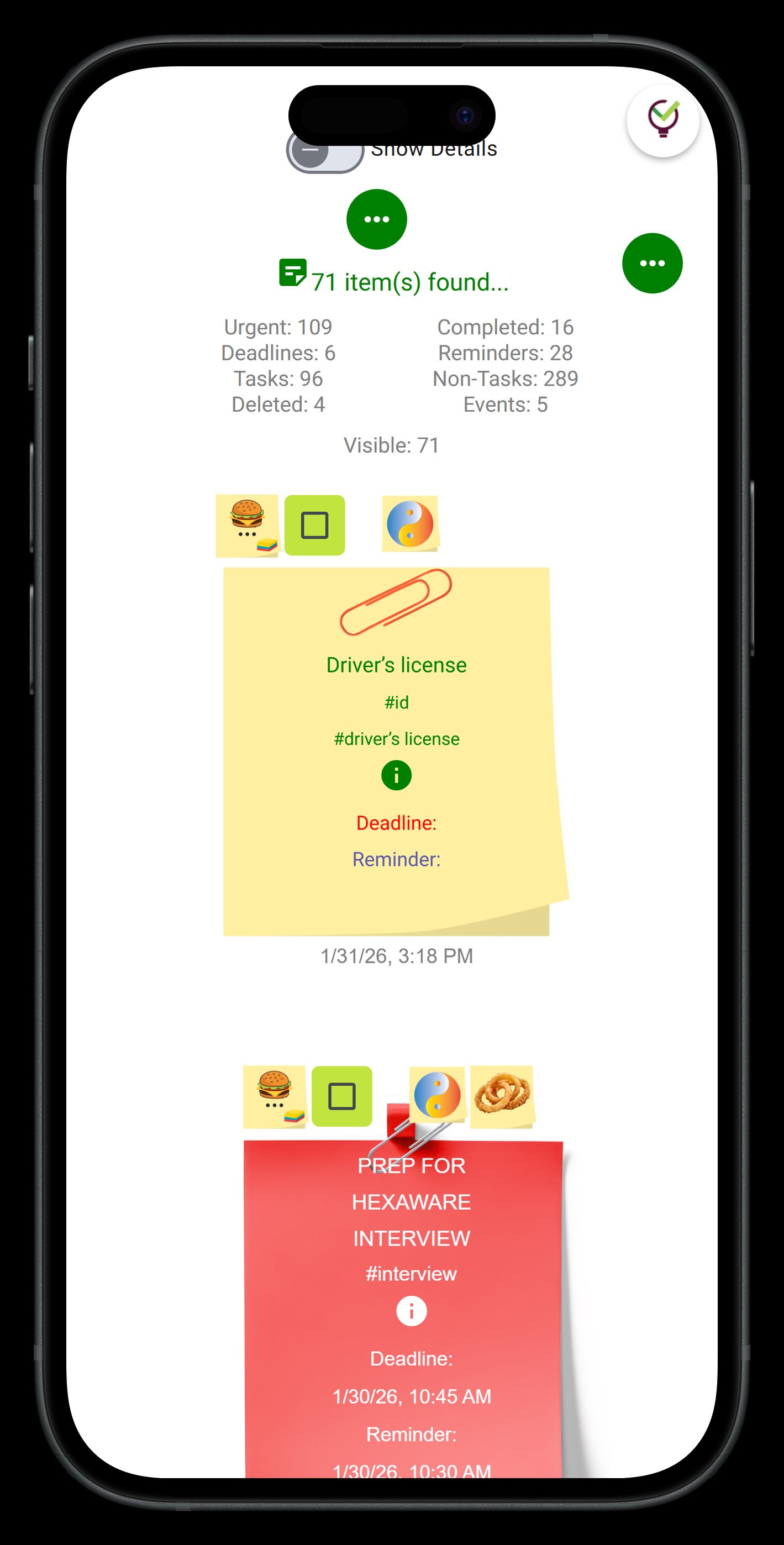
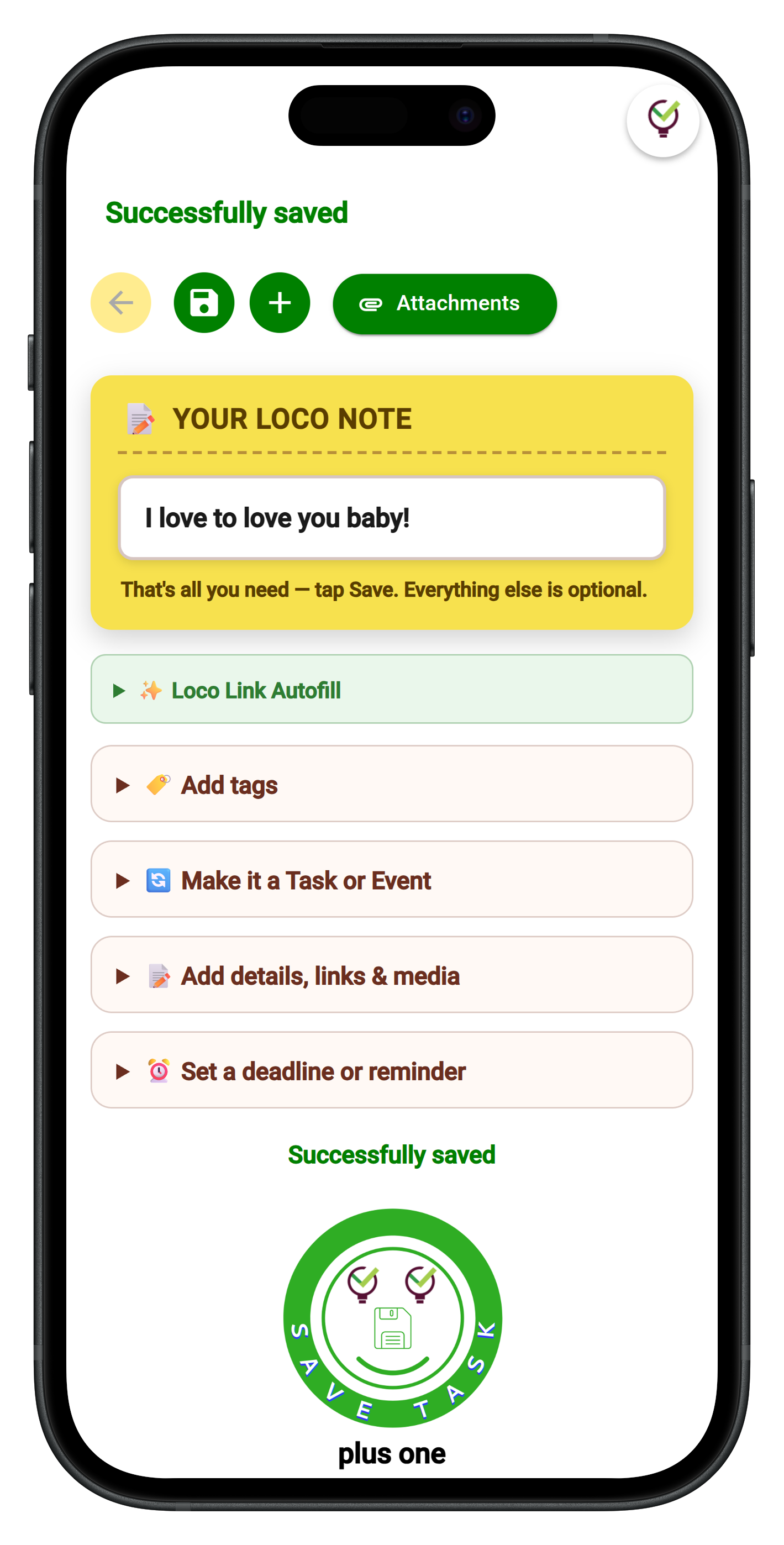
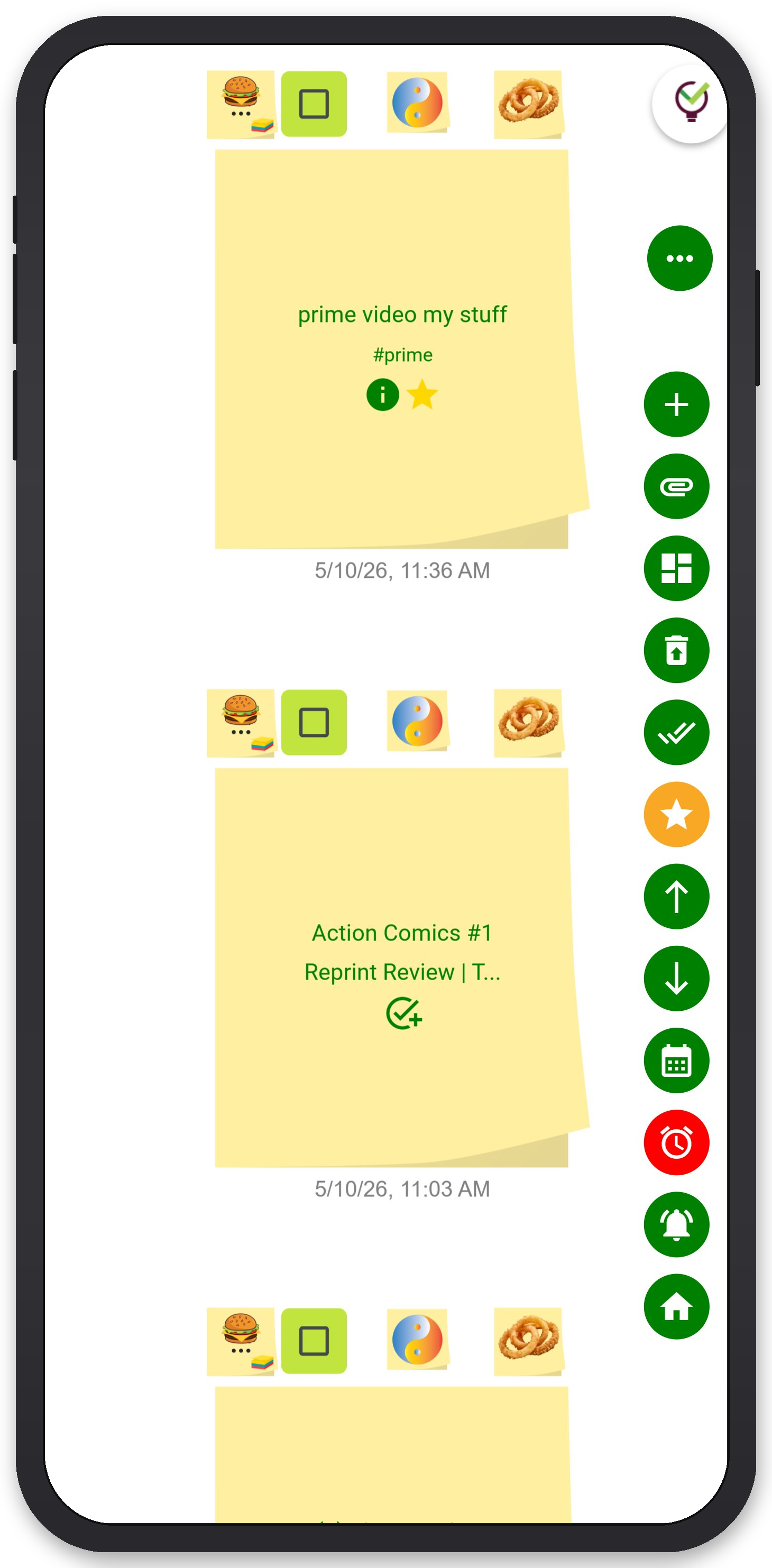
Instead of complex kanban boards, TaskLoco uses digital sticky notes that work exactly like physical ones. You write down what needs doing, set reminders when needed, and move on. No columns to categorize, no workflows to design, no process overhead to maintain.
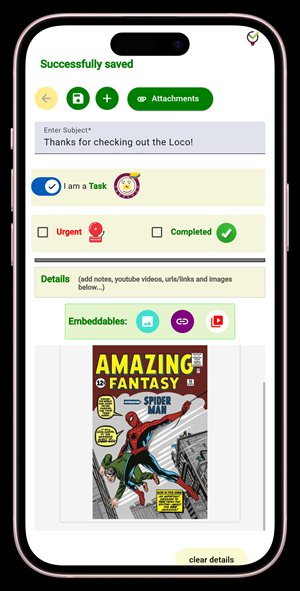
Each note can hold tasks, files, and reminders in one place. Team sharing works like forwarding an email — send the note, and teammates can make their own copy to work with. No permissions, no board layouts, no visual coordination needed.
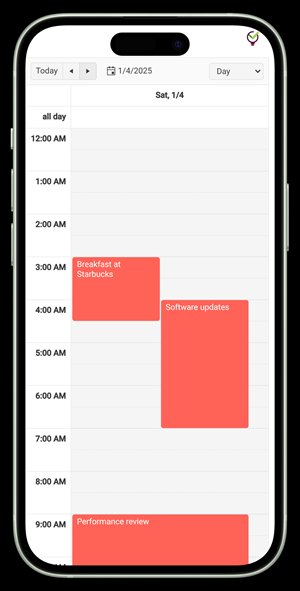
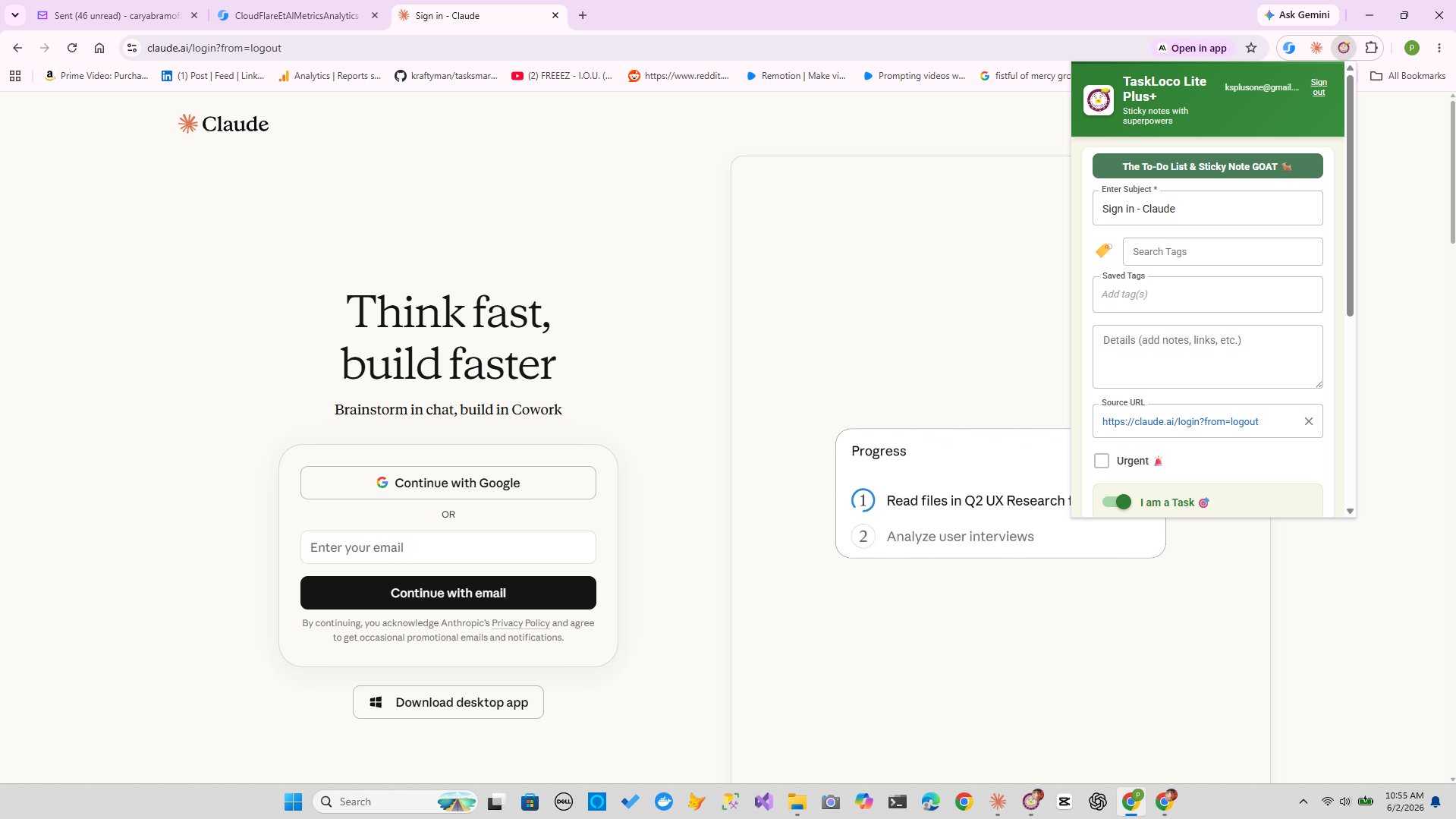
The Chrome extension captures web pages as notes in one click. The calendar view shows deadlines without forcing you to categorize everything first. File attachments live right in the note instead of scattered across project folders.
TaskLoco Premium is regularly $9.99/month per person. Right now, charter members can lock in 50% off the regular price — forever. That means $4.99/month per person today. And if our price ever goes up, you still pay half. Always.
Code CHARTER50 auto-applies at checkout. First 500 spots only — once they're gone, this offer is gone permanently. Act fast while spots last.
Every Premium subscription includes unlimited notes, 10GB file storage, reminders, calendar, and team sharing. Each team member requires a separate subscription. 7-day free trial — no charge until day 8. Cancel anytime.
Free Options: TaskLoco
TaskLoco Lite
- Native iPhone & Android app
- Completely anonymous — no sign-in
- Data stays on your device
- Up to 20 notes
- Free forever
TaskLoco Lite Plus+
- Web app + Chrome extension
- Sign in with Google
- Wall syncs across all devices
- Up to 30 notes
- Free forever
Lock In 50% Off — Forever
7-day free trial. No charge until day 8. CHARTER50 auto-applies at checkout.
🔒 Lock In My Charter SpotSee TaskLoco in Action
Frequently Asked Questions
How do you know if your team has board fatigue?
Watch for these signs: team members avoid updating the board, daily standups focus more on explaining the board than discussing work, and new team members need extensive training just to understand your workflow. If people work around your board instead of with it, you have board fatigue.
Can you fix board fatigue without switching tools?
Yes, but it requires discipline. Start by reducing columns to the minimum needed (usually 3-4), eliminate unused labels and categories, and establish clear rules about what information goes where. Schedule regular simplification sessions to prevent complexity from creeping back in.
What's the difference between a complex board and a detailed board?
Complex boards have many categories, workflows, and visual elements that slow down decision-making. Detailed boards capture essential information clearly without cognitive overhead. Complexity hurts productivity; appropriate detail helps it.
How often should you simplify your project boards?
Review board complexity monthly. Ask what columns, labels, or processes aren't adding value to daily work. Remove anything that creates friction without providing clear benefits. Boards should get simpler over time as teams learn what actually matters.
Why do teams make their boards so complicated in the first place?
Teams add complexity trying to solve real problems — better visibility, clearer accountability, smoother handoffs. Each addition makes sense individually, but collectively they create cognitive overload. The solution is addressing these needs through simpler methods.
What's the best way to get team buy-in for simplifying boards?
Focus on the time savings and reduced frustration. Show how much time is currently spent on board maintenance versus actual work. Start with a pilot simplified board for new projects while keeping existing complex boards temporarily, then compare productivity.
Are simple tools like sticky notes better than digital boards?
Simple tools force focus on essentials and eliminate feature creep. Digital sticky notes like TaskLoco combine the simplicity of physical notes with the benefits of reminders, file attachments, and team sharing — without the complexity of traditional project boards.
Born in Brooklyn. Powered by AWS. Your data stays yours.
TaskLoco is available on iPhone, Android, Chrome, and every web browser.