Slow productivity isn't about working slowly — it's about rejecting the frantic pace that destroys deep work. Cal Newport coined this term to describe how knowledge workers can accomplish more meaningful work by deliberately choosing fewer priorities and working at sustainable rhythms.
Unlike traditional productivity advice that pushes you to optimize every minute, slow productivity asks a different question: What if doing less, but doing it exceptionally well, actually produces better results? The answer reshapes how we think about professional effectiveness entirely.
The Three Core Principles of Slow Productivity
Cal Newport's slow productivity philosophy rests on three fundamental principles that directly challenge conventional productivity wisdom.
Principle 1: Do Fewer Things
Instead of juggling multiple projects simultaneously, slow productivity advocates for radical selectivity. This means saying no to most opportunities and focusing intensely on the few that truly matter. The goal is to reduce cognitive overhead — when your brain isn't constantly switching between tasks, it can dive deeper into meaningful work.
Principle 2: Work at a Natural Pace
Human creativity and deep thinking don't operate on artificial deadlines or constant urgency. Slow productivity respects natural rhythms — some days you'll produce breakthrough insights, others you'll make steady progress. Fighting against these cycles wastes energy that could be directed toward actual accomplishment.
Principle 3: Obsess Over Quality
When you're doing fewer things at sustainable paces, you can afford to be exceptionally picky about the quality of your output. This isn't perfectionism — it's a commitment to producing work that creates real value rather than checking boxes on endless task lists.
Why Traditional Productivity Methods Fail Knowledge Workers
Most productivity advice was designed for factory work, where output is easily measured and more activity genuinely equals more results. Knowledge work operates by completely different rules, but we keep applying industrial-age thinking to creative, analytical tasks.
The Pseudo-Work Problem
When knowledge workers feel pressure to appear busy, they engage in what Newport calls 'pseudo-work' — activities that feel productive but don't advance meaningful goals. Endless meetings, excessive email checking, and reactive task-switching create the illusion of progress while preventing deep work.
Context Switching Destroys Deep Thinking
Research shows it takes an average of 23 minutes to fully refocus after an interruption. If you're constantly moving between tasks, you never reach the cognitive depth required for breakthrough insights or complex problem-solving. Traditional productivity systems often make this worse by encouraging rapid task completion rather than sustained focus.
Quality Compounds, Quantity Doesn't
In knowledge work, one exceptional insight can be worth more than dozens of mediocre outputs. But exceptional insights require uninterrupted thinking time — exactly what gets sacrificed when we optimize for task completion speed.
How to Implement Slow Productivity in Practice
Transforming your work approach requires specific strategies that protect deep work time while managing the reality of professional obligations.
Start With Ruthless Prioritization
List everything you're currently working on. Now choose the top 3 items that would create the most meaningful impact if completed exceptionally well. Put everything else on a 'someday maybe' list. This isn't permanent — you can revisit priorities quarterly — but your active focus should be laser-sharp.
Create Protected Deep Work Blocks
Schedule specific times for your priority projects when interruptions are forbidden. Start with 90-minute blocks — most people can sustain deep focus for this duration. Turn off notifications, close email, and work on one thing only. Gradually extend these sessions as your focus improves.
Embrace Natural Energy Cycles
Track when you naturally feel most creative and analytical. Schedule your most important work during these peak periods. Use lower-energy times for routine tasks like email or administrative work. Fighting your natural rhythms wastes mental energy that could fuel better thinking.
Set Quality Standards Over Speed Targets
Instead of rushing to complete tasks, define what exceptional quality looks like for each priority project. What would make this work genuinely valuable rather than just finished? Set deadlines that allow for this level of quality — even if it means delivering fewer total outputs.
Digital Tools That Support Slow Productivity
While slow productivity emphasizes working rhythms over tools, the right digital systems can reinforce these principles rather than undermining them.
The key is choosing tools that support deep focus rather than creating new sources of distraction. Look for systems that help you capture important thoughts without interrupting flow states, organize reference materials for easy access during deep work, and set meaningful reminders without constant notification pressure.
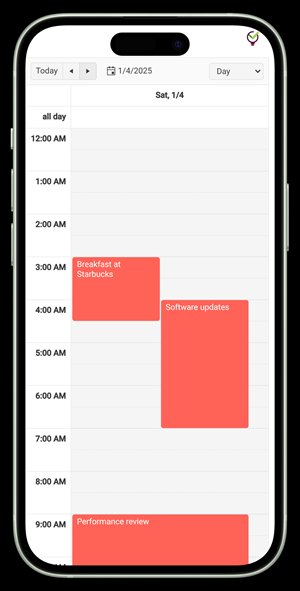
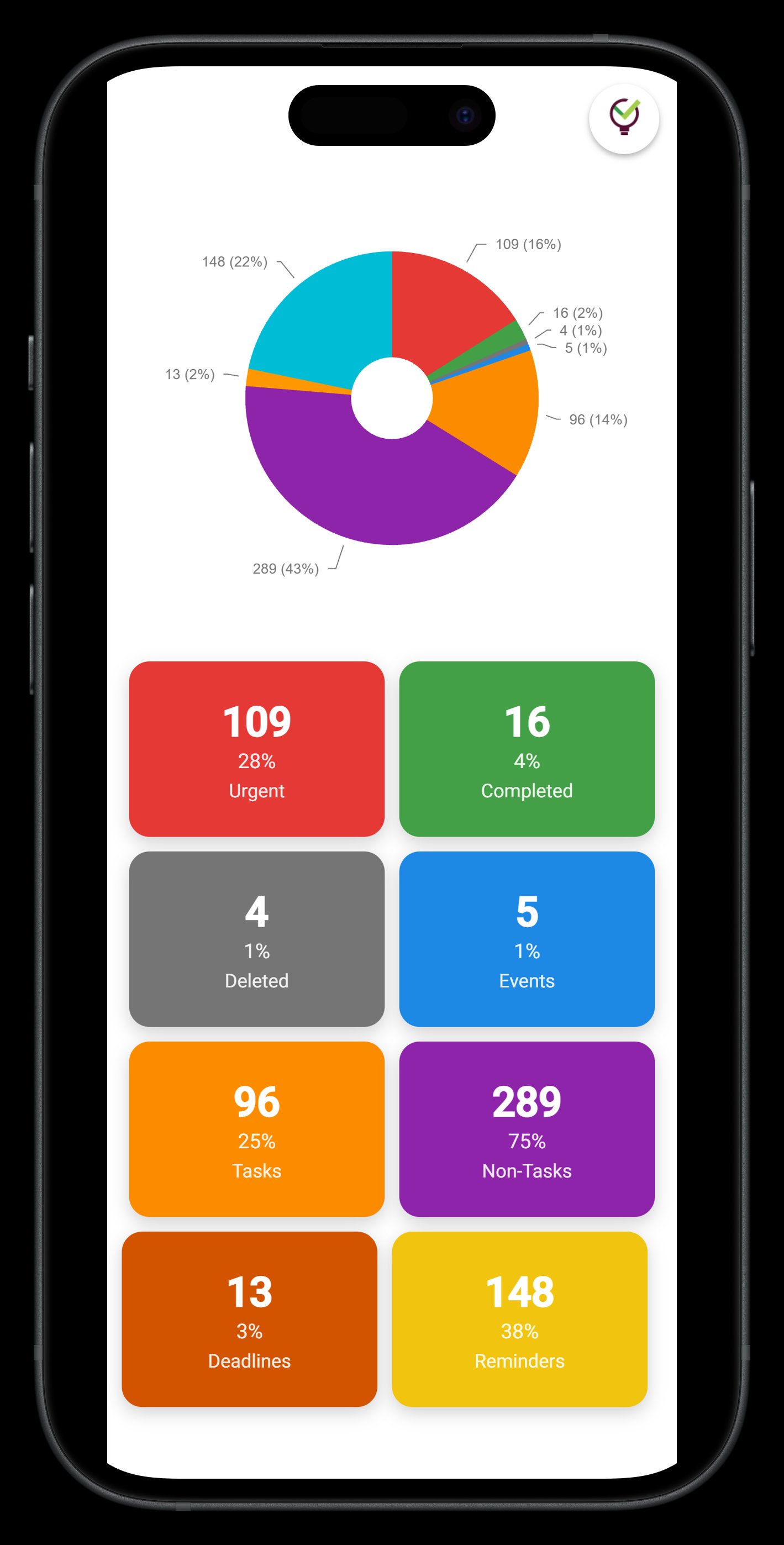
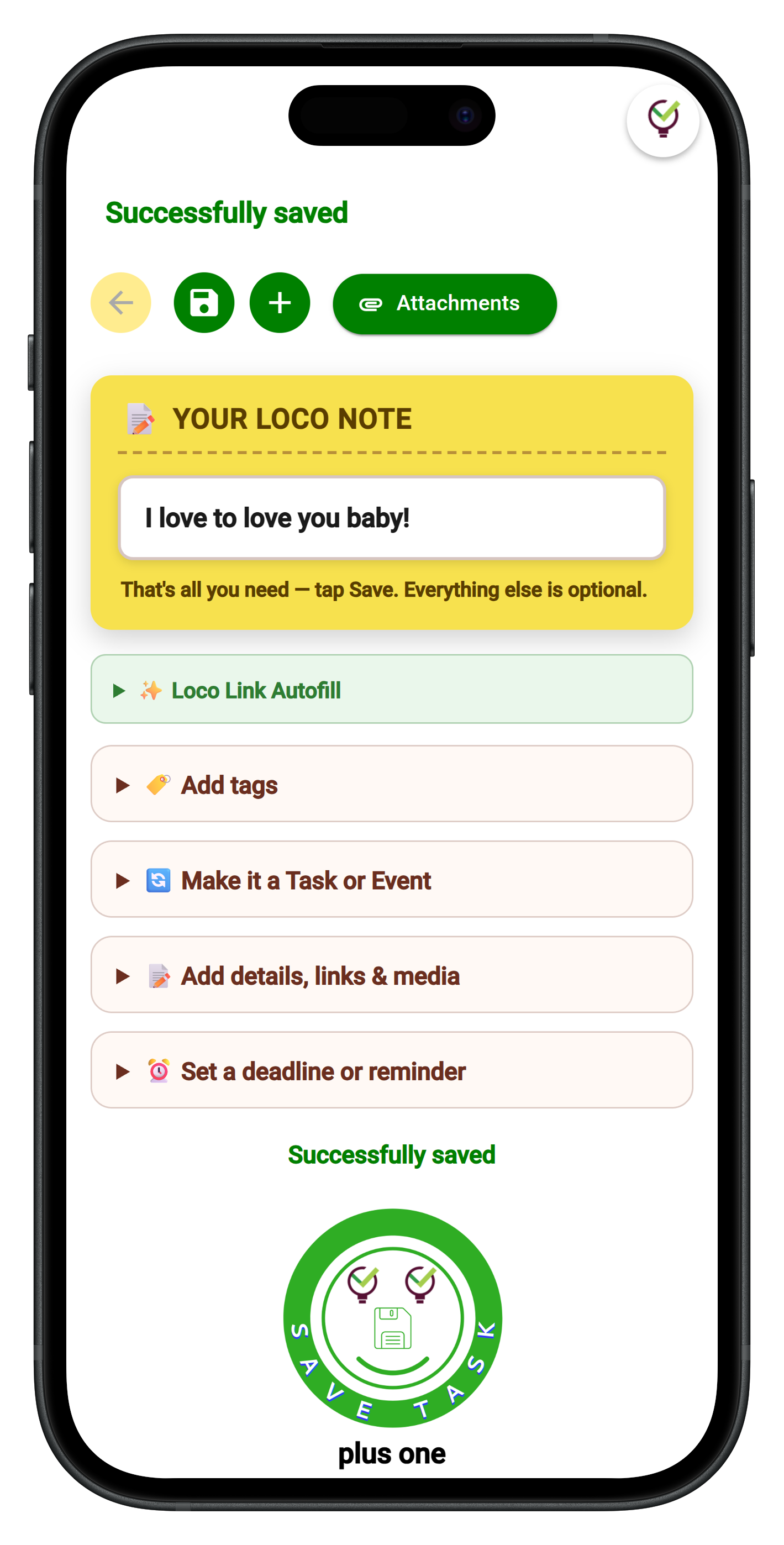
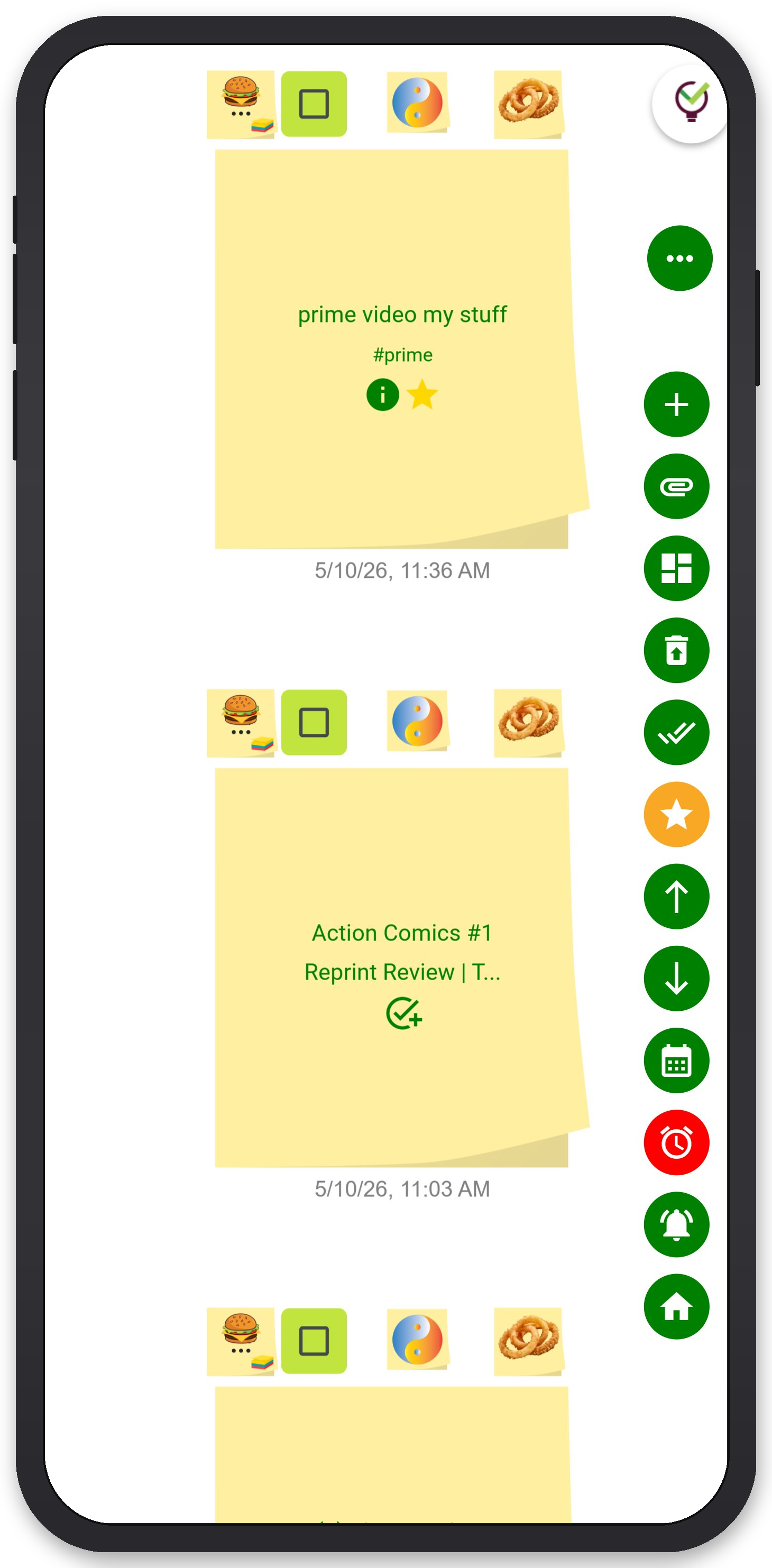
TaskLoco aligns naturally with slow productivity principles: Instead of overwhelming you with complex project hierarchies, it lets you capture essential tasks and thoughts in a simple, visual format. The sticky note approach keeps your most important commitments visible without the feature bloat that often derails focus. Premium includes thoughtful reminders that surface important work at the right time, plus file storage that keeps reference materials accessible during deep work sessions.
The goal isn't to optimize every minute through sophisticated systems — it's to reduce friction around your most meaningful work while maintaining the simplicity that allows natural work rhythms to emerge.
TaskLoco Premium is regularly $9.99/month per person. Right now, charter members can lock in 50% off the regular price — forever. That means $4.99/month per person today. And if our price ever goes up, you still pay half. Always.
Code CHARTER50 auto-applies at checkout. First 500 spots only — once they're gone, this offer is gone permanently. Act fast while spots last.
Every Premium subscription includes unlimited notes, 10GB file storage, reminders, calendar, and team sharing. Each team member requires a separate subscription. 7-day free trial — no charge until day 8. Cancel anytime.
Free Options: TaskLoco
TaskLoco Lite
- Native iPhone & Android app
- Completely anonymous — no sign-in
- Data stays on your device
- Up to 20 notes
- Free forever
TaskLoco Lite Plus+
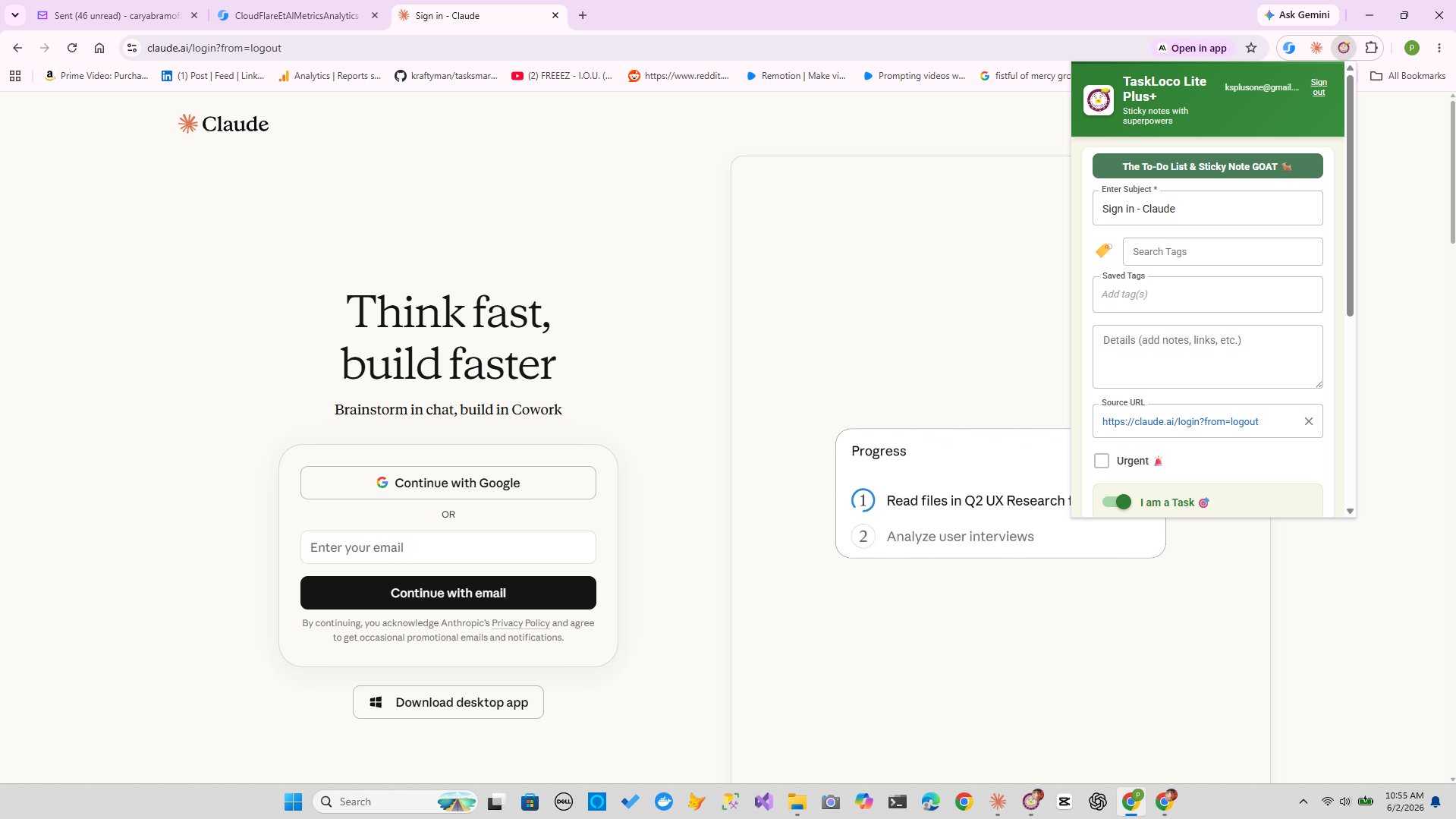
- Web app + Chrome extension
- Sign in with Google
- Wall syncs across all devices
- Up to 30 notes
- Free forever
Lock In 50% Off — Forever
7-day free trial. No charge until day 8. CHARTER50 auto-applies at checkout.
🔒 Lock In My Charter SpotSee TaskLoco in Action
Frequently Asked Questions
Is slow productivity just an excuse to work less?
No — slow productivity often requires more discipline than traditional approaches. You're choosing to work deeply on fewer things rather than staying busy with shallow tasks. The goal is higher-quality output, not less effort.
How do I handle urgent requests when practicing slow productivity?
True emergencies are rare. Most 'urgent' requests are other people's poor planning. Politely defer non-critical interruptions to scheduled communication times, and protect your deep work blocks for your most important priorities.
Can slow productivity work in fast-paced corporate environments?
Yes, but it requires setting boundaries. Focus on delivering exceptional results on key projects rather than being responsive to every request. Most managers care more about meaningful outcomes than constant availability.
How long does it take to see results from slow productivity?
You'll notice improved focus within days of reducing task-switching. Meaningful quality improvements in your work typically emerge after 4-6 weeks of consistent deep work practice.
What's the difference between slow productivity and being lazy?
Slow productivity requires intense focus and high standards — the opposite of laziness. You're eliminating low-value activities to create space for work that requires your full mental capacity.
How do I choose which tasks deserve deep work time?
Ask: 'If this were done exceptionally well, would it meaningfully advance my most important goals?' Focus on work that creates lasting value rather than just checking items off lists.
Do I need special tools to practice slow productivity?
$9.99/month per person (currently $4.99/month per person for first 500 charter members with code CHARTER50) Simple tools that reduce friction often work best. The key is choosing systems that support sustained focus rather than creating new sources of distraction or complexity.
Born in Brooklyn. Powered by AWS. Your data stays yours.
TaskLoco is available on iPhone, Android, Chrome, and every web browser.