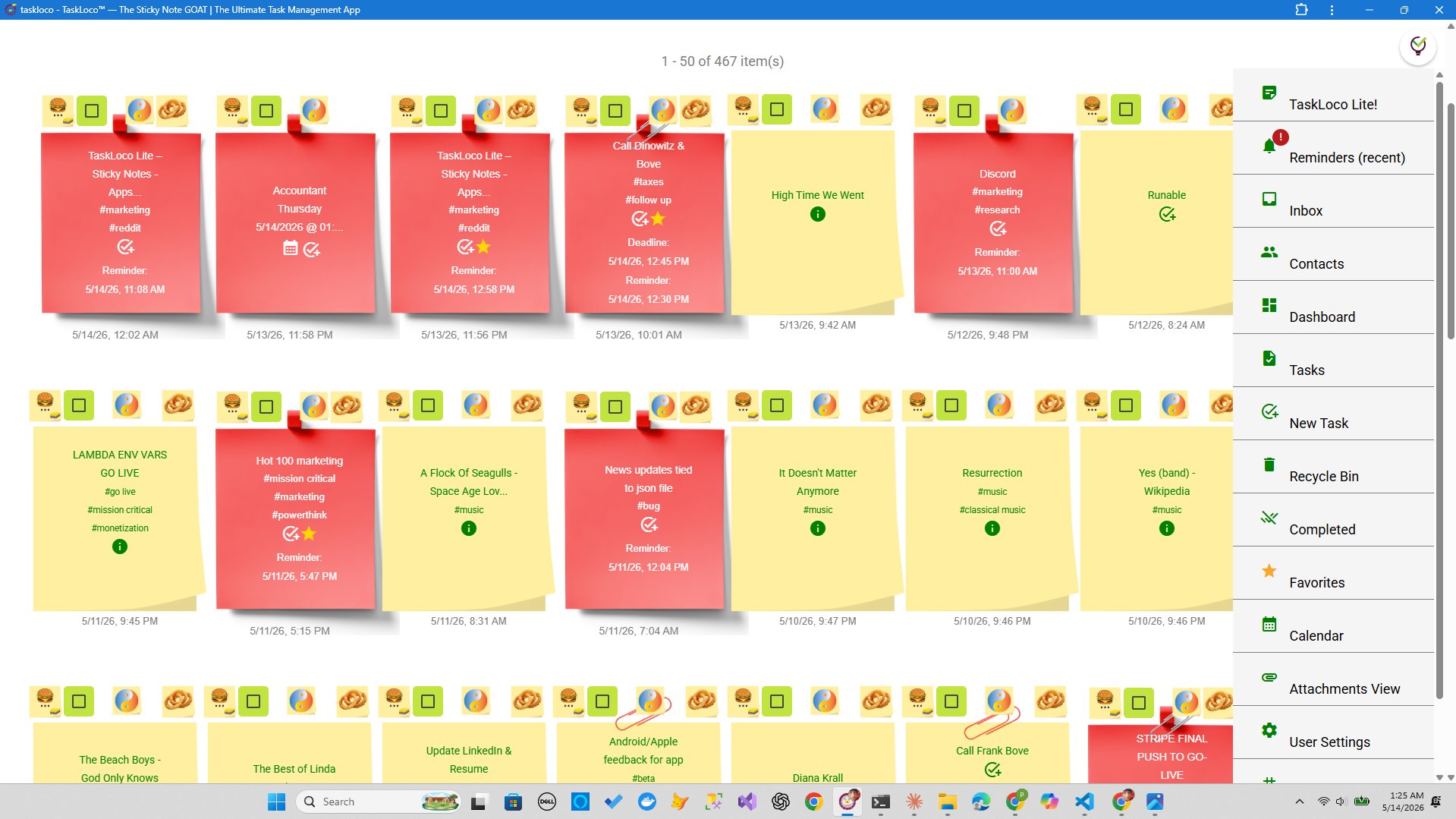
Your brain processes visual information 60,000 times faster than text. That's why looking at a messy desk immediately tells you more than reading a description of it ever could. Visual planning taps into this natural advantage by turning abstract ideas into concrete visual elements you can see, move, and organize.
Instead of drowning in endless text lists, visual planning uses colors, shapes, spatial relationships, and visual hierarchies to make information stick. Whether you're mapping a project timeline, organizing daily tasks, or planning a product launch, visual methods help you spot patterns, identify gaps, and make better decisions faster.
Core Visual Planning Methods
Visual planning isn't one technique — it's a family of methods that transform information into visual formats. The most effective approaches include kanban boards, mind maps, sticky note walls, and flowcharts.
Kanban boards organize work into columns representing stages like 'To Do,' 'In Progress,' and 'Done.' Each task becomes a card that moves through the workflow. This method originated in Toyota's manufacturing but now powers everything from software development to household chores.
Mind maps start with a central concept and branch outward with related ideas. They're perfect for brainstorming, note-taking, or breaking down complex projects into manageable pieces. The radial structure mirrors how your brain naturally connects concepts.
Sticky note planning gives you ultimate flexibility. Write one idea per note, then arrange and rearrange them on any surface. This tactile approach works especially well for team collaboration because everyone can physically move ideas around.
Why Visual Planning Works Better Than Lists
Traditional to-do lists fail because they treat all tasks as equal. Item #7 looks the same as item #1, even if one takes five minutes and the other takes five hours. Visual planning solves this by adding dimensions like size, color, position, and spatial relationships.
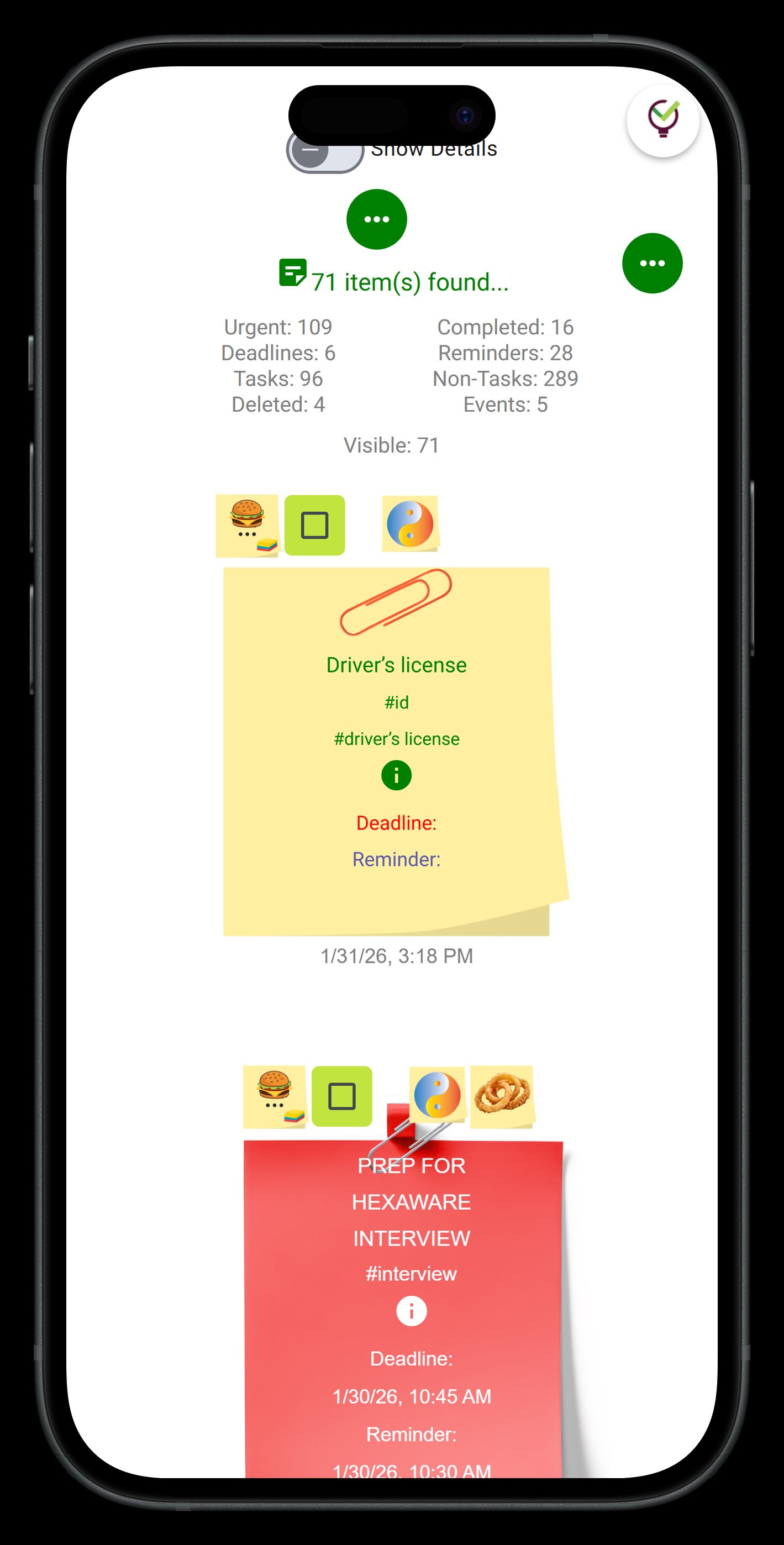
When you see tasks arranged visually, patterns emerge immediately. You spot bottlenecks, notice dependencies, and identify priorities without reading every line. A red sticky note screams urgency in a way that typing 'URGENT' never could.
Cognitive benefits include reduced mental load, better pattern recognition, and improved memory retention. Visual elements create multiple retrieval cues — you remember both the content and where it appeared on your board.
Collaboration improves because everyone literally sees the same thing. There's no ambiguity about project status when tasks are visually arranged by progress stage. Team members can point, gesture, and physically reorganize work together.
Setting Up Your Visual Planning System
Start simple with whatever materials you have. A wall, sticky notes, and markers can create a powerful planning system in minutes. Draw three columns labeled 'Ideas,' 'Working On,' and 'Done.' Write one task per note and start moving them through your workflow.
Physical setup tips: Use different colored notes for different types of work. Make urgent items red, routine tasks yellow, and long-term projects blue. Position your board where you'll see it multiple times daily — visibility drives action.
Digital alternatives offer advantages like backup, sharing, and search. Look for tools that maintain the visual metaphor rather than forcing you back into text-heavy interfaces. The best digital tools feel like moving physical objects around a virtual space.
Common mistakes to avoid: Don't overcomplicate your initial system. Start with basic categories and add complexity only when the simple version stops working. Also resist the urge to make every note the same size — visual variety helps your brain process information faster.
Review and reorganize your visual system weekly. What worked? What didn't? Visual planning thrives on iteration and continuous improvement.
Digital Tools for Visual Planning
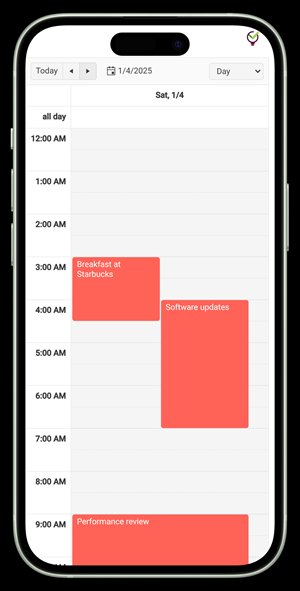
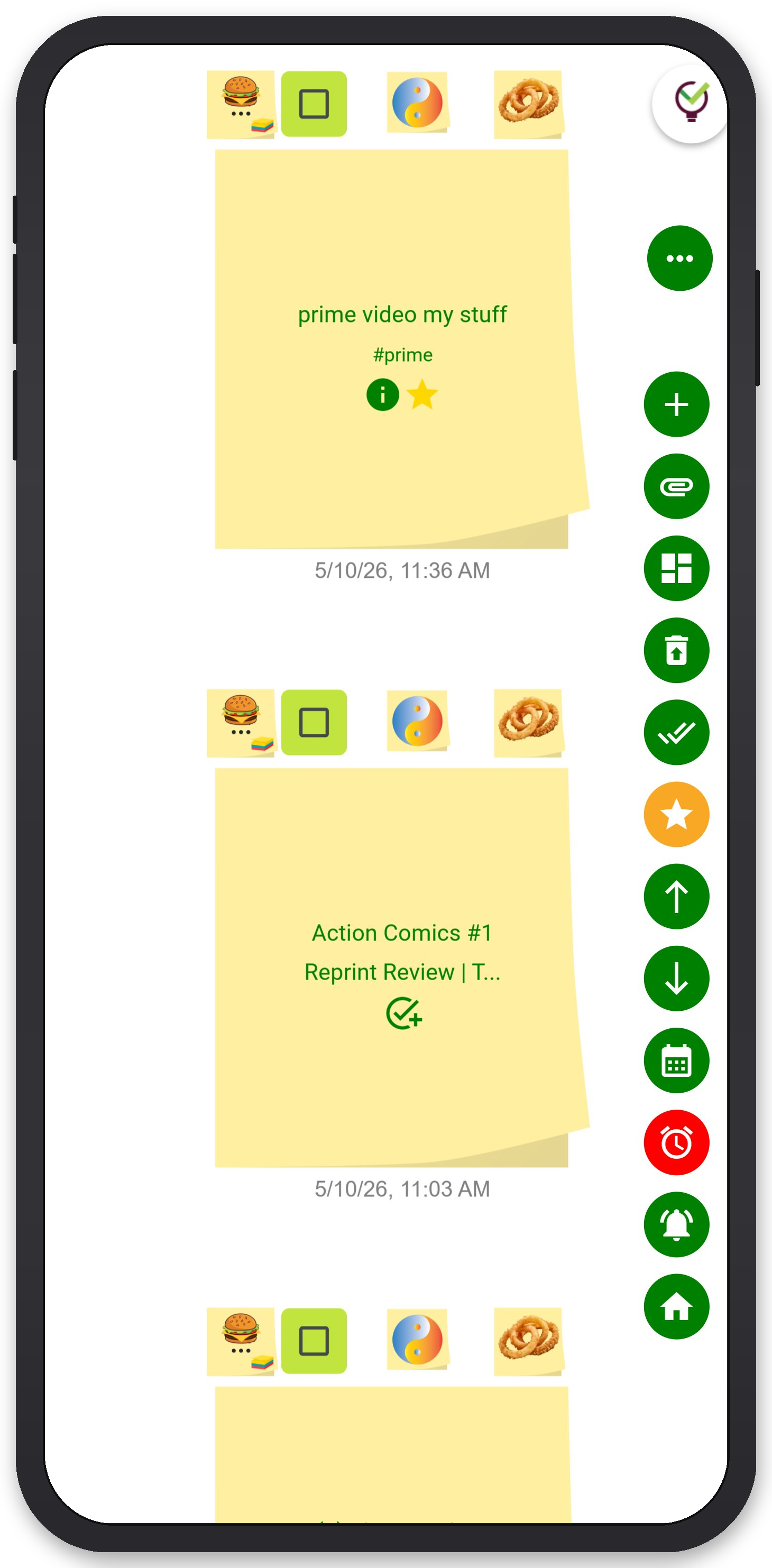
While physical sticky notes and whiteboards remain powerful, digital tools offer backup, collaboration, and advanced features. TaskLoco brings the simplicity of sticky note planning to your devices with unlimited digital notes that sync everywhere you work.
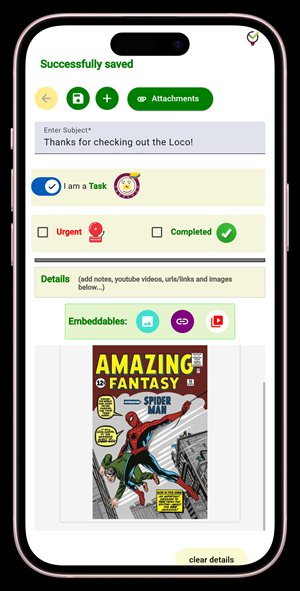
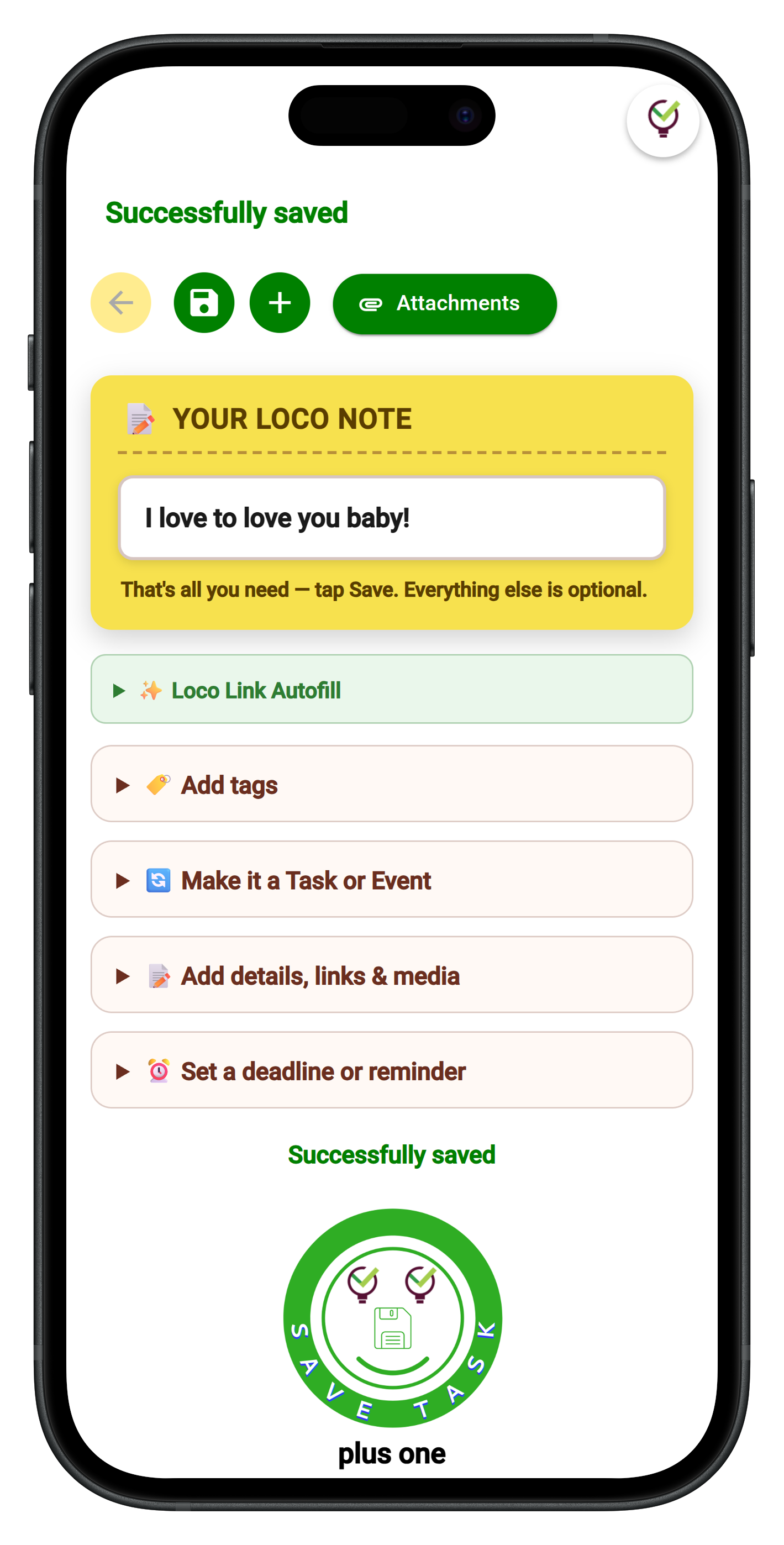
Each TaskLoco note functions like a digital sticky note — capture ideas quickly, add files or images, set reminders, and organize them visually. The interface stays clean and uncluttered, focusing on your content rather than overwhelming you with features you don't need.
For teams, TaskLoco's sharing features let you collaborate on visual plans without complex permissions or access levels. Share a planning board with your team, and everyone can contribute ideas while maintaining the visual organization that makes planning effective.
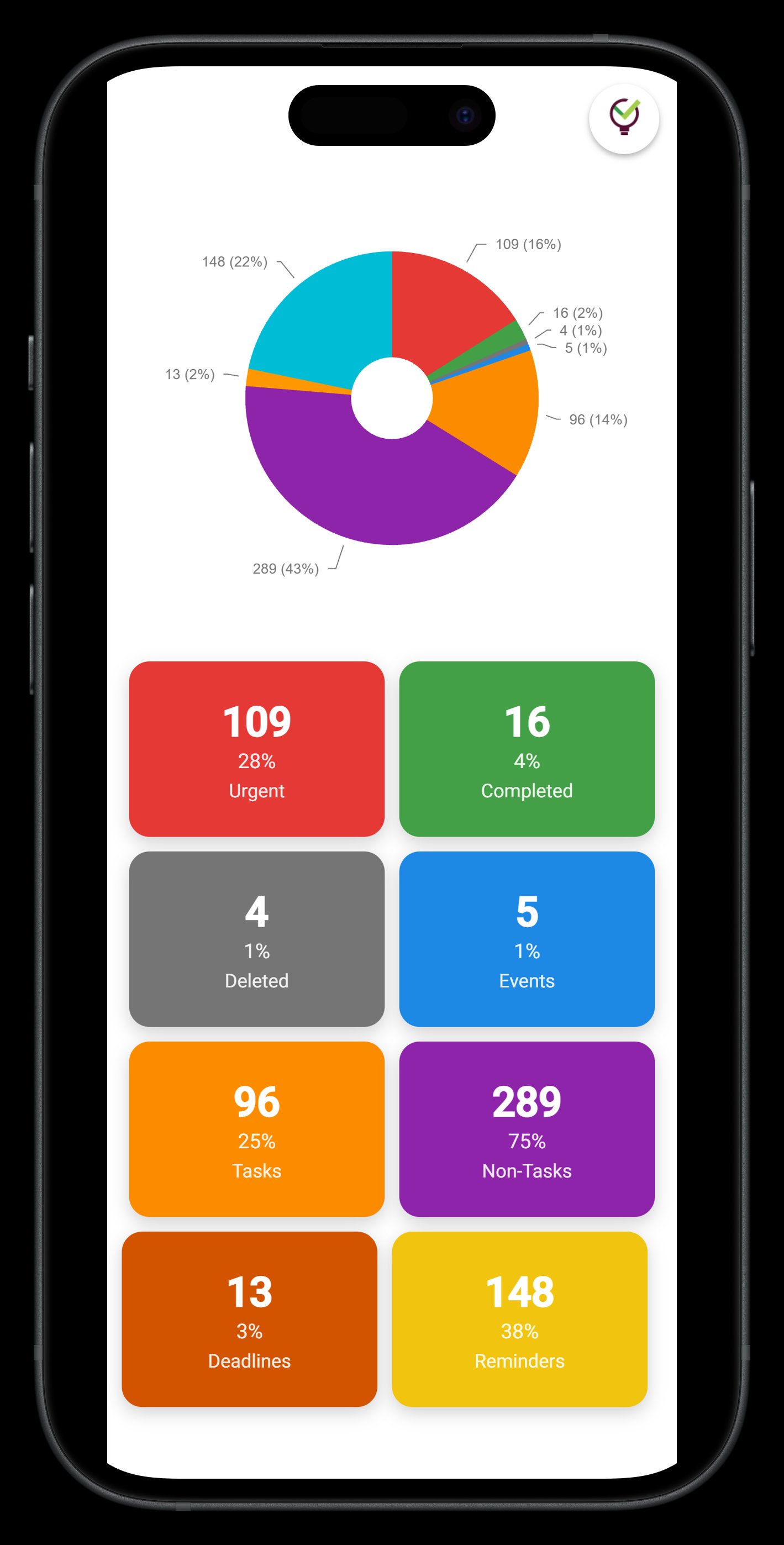
TaskLoco Premium is regularly $9.99/month per person. Right now, charter members can lock in 50% off the regular price — forever. That means $4.99/month per person today. And if our price ever goes up, you still pay half. Always.
Code CHARTER50 auto-applies at checkout. First 500 spots only — once they're gone, this offer is gone permanently. Act fast while spots last.
Every Premium subscription includes unlimited notes, 10GB file storage, reminders, calendar, and team sharing. Each team member requires a separate subscription. 7-day free trial — no charge until day 8. Cancel anytime.
Free Options: TaskLoco
TaskLoco Lite
- Native iPhone & Android app
- Completely anonymous — no sign-in
- Data stays on your device
- Up to 20 notes
- Free forever
TaskLoco Lite Plus+
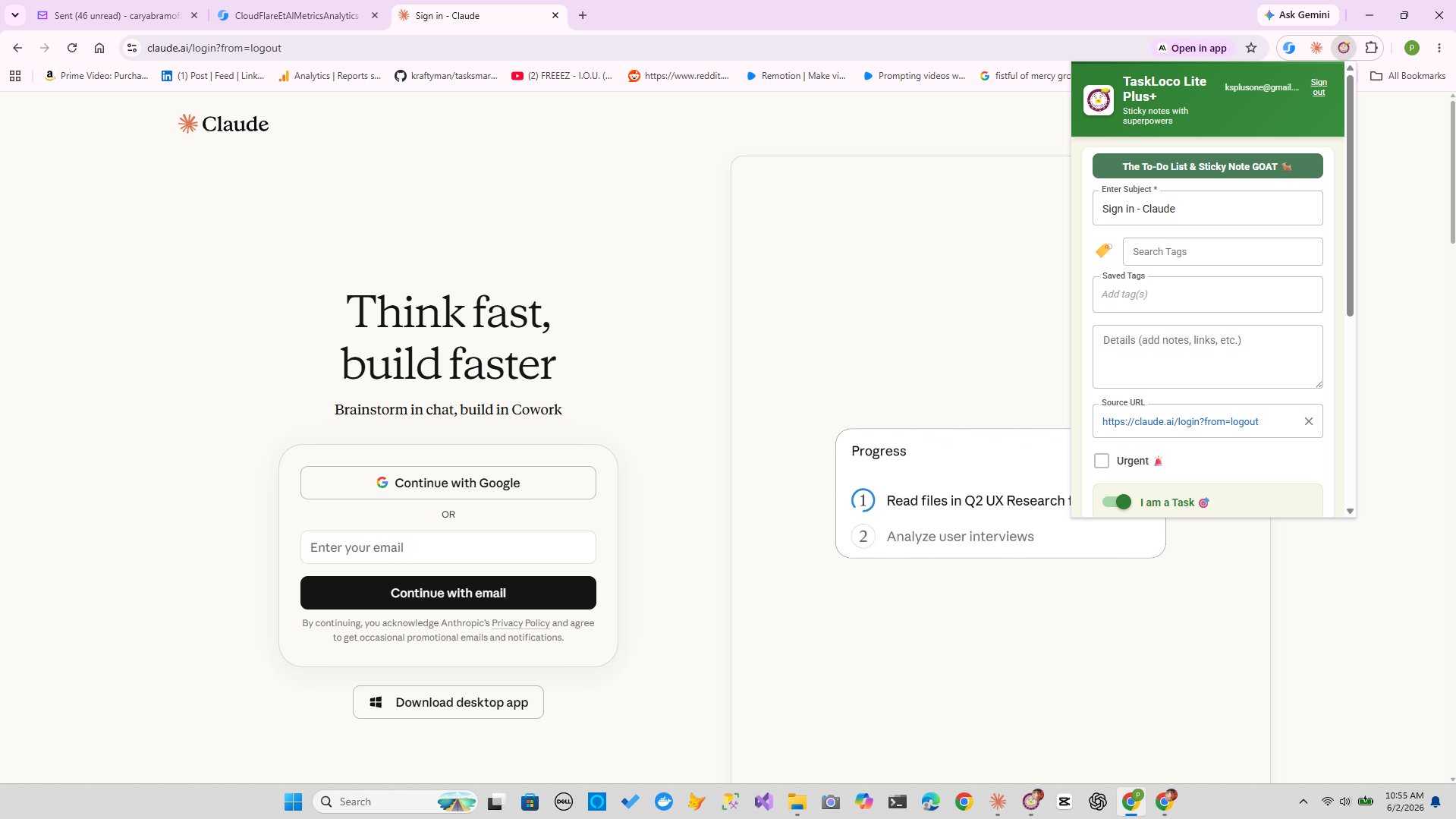
- Web app + Chrome extension
- Sign in with Google
- Wall syncs across all devices
- Up to 30 notes
- Free forever
Lock In 50% Off — Forever
7-day free trial. No charge until day 8. CHARTER50 auto-applies at checkout.
🔒 Lock In My Charter SpotSee TaskLoco in Action
Frequently Asked Questions
What's the difference between visual planning and regular planning?
Visual planning organizes information using spatial relationships, colors, and visual elements instead of text-only lists. This makes patterns and priorities immediately obvious and reduces the mental effort required to process complex information.
Do I need special software for visual planning?
No — you can start visual planning with sticky notes and a wall. Physical methods work great for individual use and teams of any size. Digital tools become valuable when you need backup, sharing, or working across multiple devices.
How do I choose between kanban, mind maps, and sticky note planning?
Use kanban for workflow management, mind maps for brainstorming and exploring connections, and sticky notes for flexible collaboration. Many people combine methods — mind map for initial planning, then kanban for execution.
Can visual planning work for complex projects?
Yes, but break complex projects into smaller visual chunks. Create separate boards for different project phases or use hierarchical organization where each high-level sticky note can be expanded into its own detailed board.
How often should I reorganize my visual planning system?
Review weekly and reorganize as needed. Visual planning systems should evolve with your work. If your current layout isn't helping you make decisions quickly, it's time to restructure.
What makes visual planning more effective than digital task managers?
Visual planning leverages spatial memory and pattern recognition in ways that text-based lists cannot. You remember both the content and its visual position, creating multiple retrieval cues that improve recall and decision-making.
How do I get my team to adopt visual planning methods?
Start with a simple shared board for one specific project or process. Once team members experience how much clearer visual organization makes complex information, adoption typically spreads naturally to other areas.
Born in Brooklyn. Powered by AWS. Your data stays yours.
TaskLoco is available on iPhone, Android, Chrome, and every web browser.