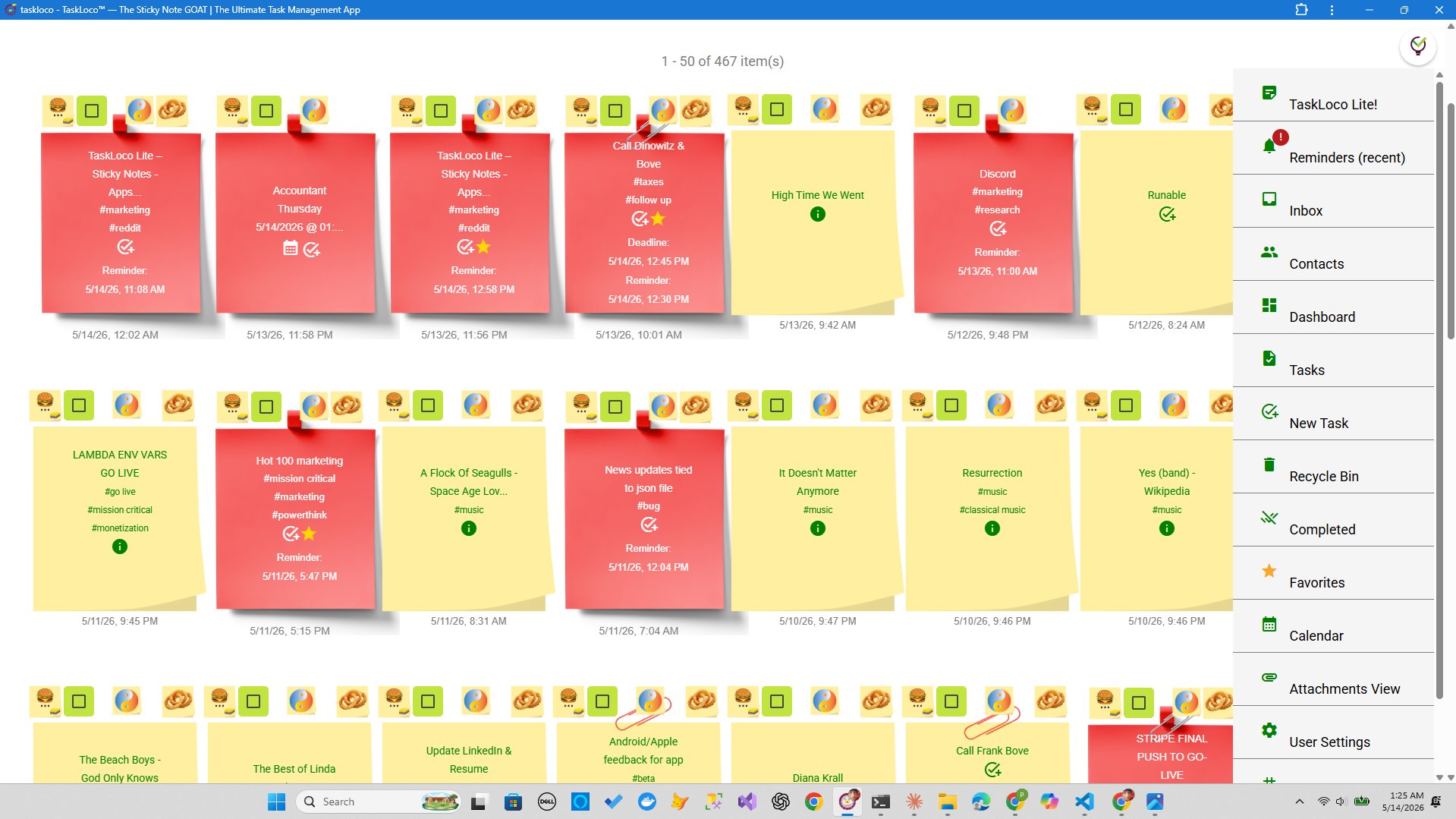
Visual task management transforms how you organize work by replacing endless text lists with visual layouts. Instead of scrolling through typed tasks, you see your work arranged spatially — on boards, in columns, or as digital sticky notes that mirror how your brain naturally processes information.
This approach isn't just prettier than traditional task lists. Visual organization reduces the mental effort needed to understand priorities, spot bottlenecks, and track progress. Whether you're managing personal projects or coordinating a team, visual methods make complex workflows immediately comprehensible.
Core Visual Management Methods
Visual task management encompasses several proven methodologies, each designed for different work styles and team needs. The kanban board remains the most popular approach — tasks move through columns like 'To Do', 'In Progress', and 'Done'. This method originated in Toyota's manufacturing plants and translates perfectly to knowledge work.
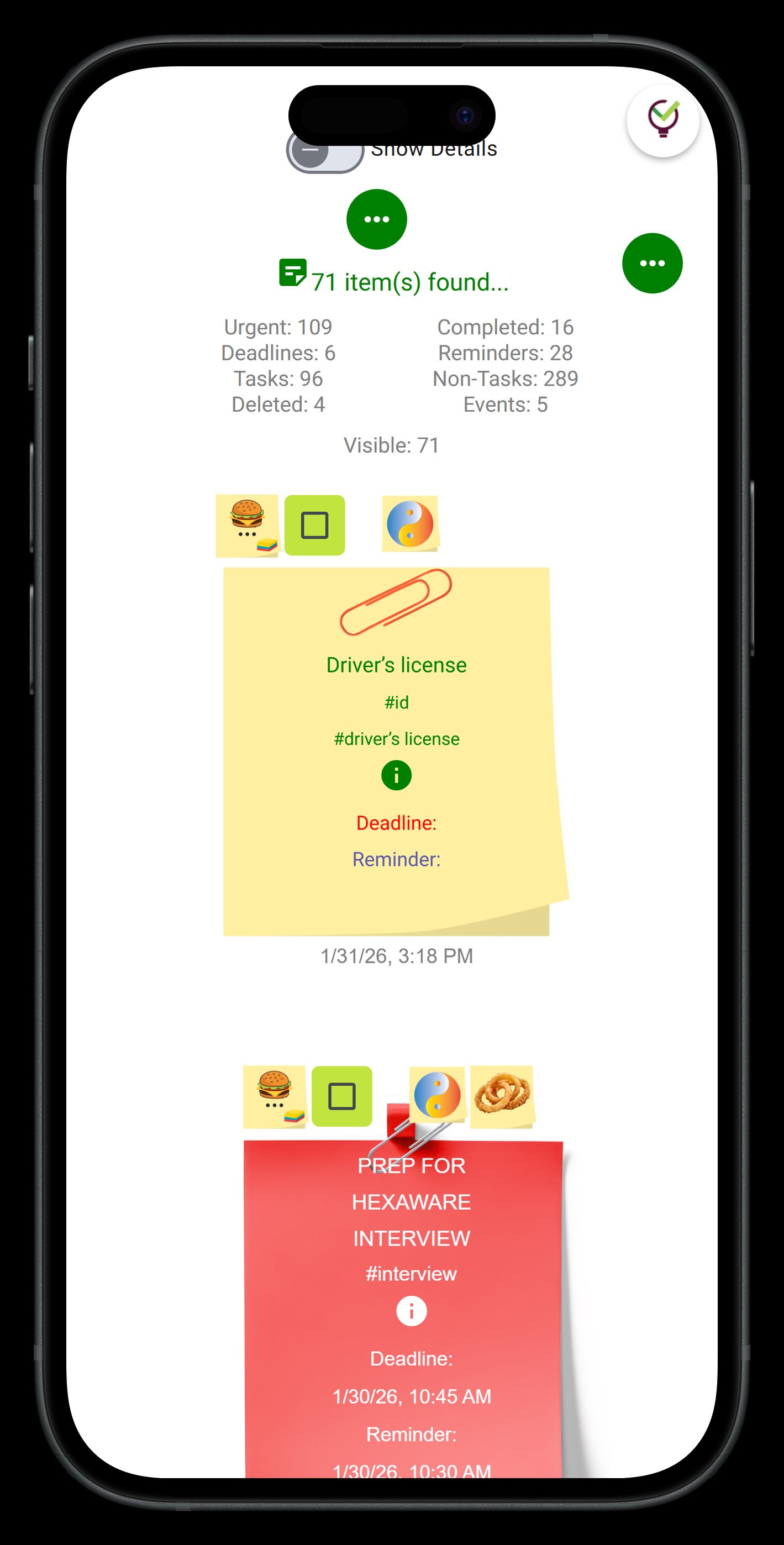
Sticky note systems offer another powerful visual approach. Each task becomes a note that you can arrange, group, and rearrange on a physical or digital wall. Color coding adds another layer — red for urgent, yellow for pending approval, green for completed. The spatial arrangement tells a story about priorities and dependencies.
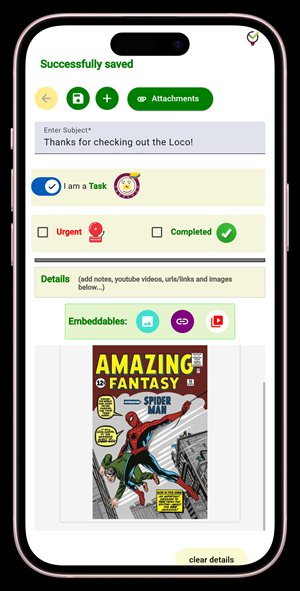
Card-based systems combine the flexibility of sticky notes with structured information. Each card holds a task plus context — deadlines, attachments, comments, or subtasks. You can sort cards by priority, assign them to team members, or group them into projects while maintaining visual clarity.
Benefits of Visual Organization
Visual task management delivers immediate cognitive benefits. Your brain processes visual information roughly 60,000 times faster than text, making visual layouts inherently more efficient than traditional lists. When tasks appear as cards on a board, you instantly see what's urgent, what's blocked, and what's moving forward.
Team coordination improves dramatically with visual systems. Everyone sees the same board, understands current priorities, and spots bottlenecks without lengthy status meetings. A glance reveals who's overloaded, which projects need attention, and where deadlines are approaching.
Visual systems also reduce the anxiety that comes with overwhelming task lists. Instead of confronting an endless scroll of to-dos, you see organized sections with clear boundaries. Completed work moves to a 'Done' column, providing visible progress that motivates continued effort.
For complex projects, visual management reveals dependencies and relationships that remain hidden in text lists. You can see how delays in one area affect other work, making it easier to adjust priorities and communicate realistic timelines.
Implementing Visual Task Management
Start simple when implementing visual task management. Begin with three basic columns: 'To Do', 'Doing', and 'Done'. Write each task on a card or sticky note and place it in the appropriate column. As you work, move cards from left to right. This basic kanban setup works for personal productivity and teams of any size projects.
Add complexity gradually based on your needs. Create additional columns for 'Waiting for Approval', 'Blocked', or 'Testing' if your workflow requires them. Use color coding to indicate priority levels or task types. Red might mean urgent, blue could indicate research tasks, and green might represent routine maintenance work.
For team implementations, establish clear rules about card ownership and movement. Who can move a card to 'Done'? How do you indicate blockers? What information belongs on each card? Consistent practices prevent confusion and maintain the visual system's effectiveness.
Digital tools offer advantages like automatic notifications, file attachments, and search capabilities. However, physical boards with actual sticky notes remain powerful for co-located teams. The tactile experience of moving cards creates stronger mental connections to progress and completion.
Visual Task Management with TaskLoco
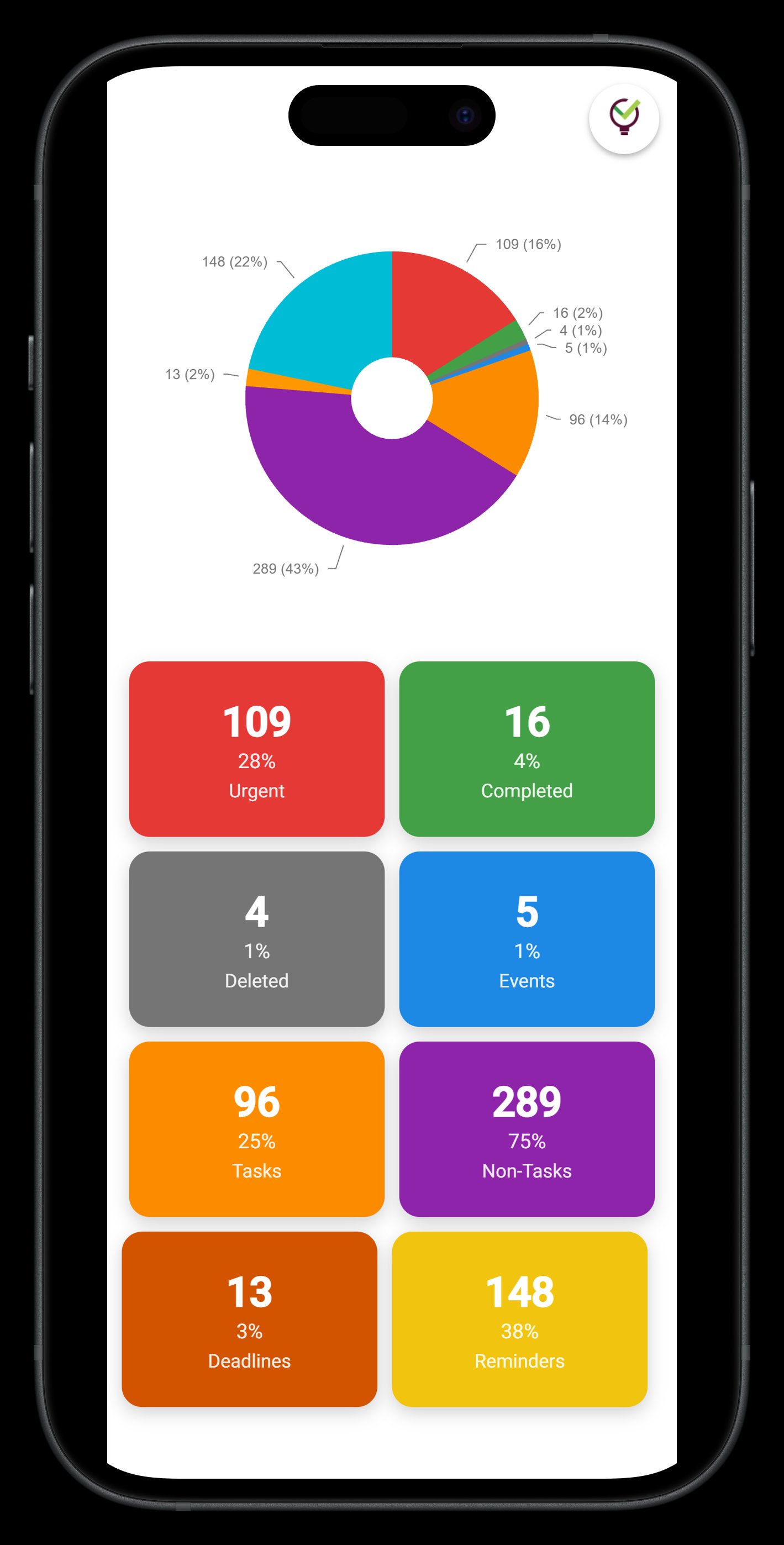
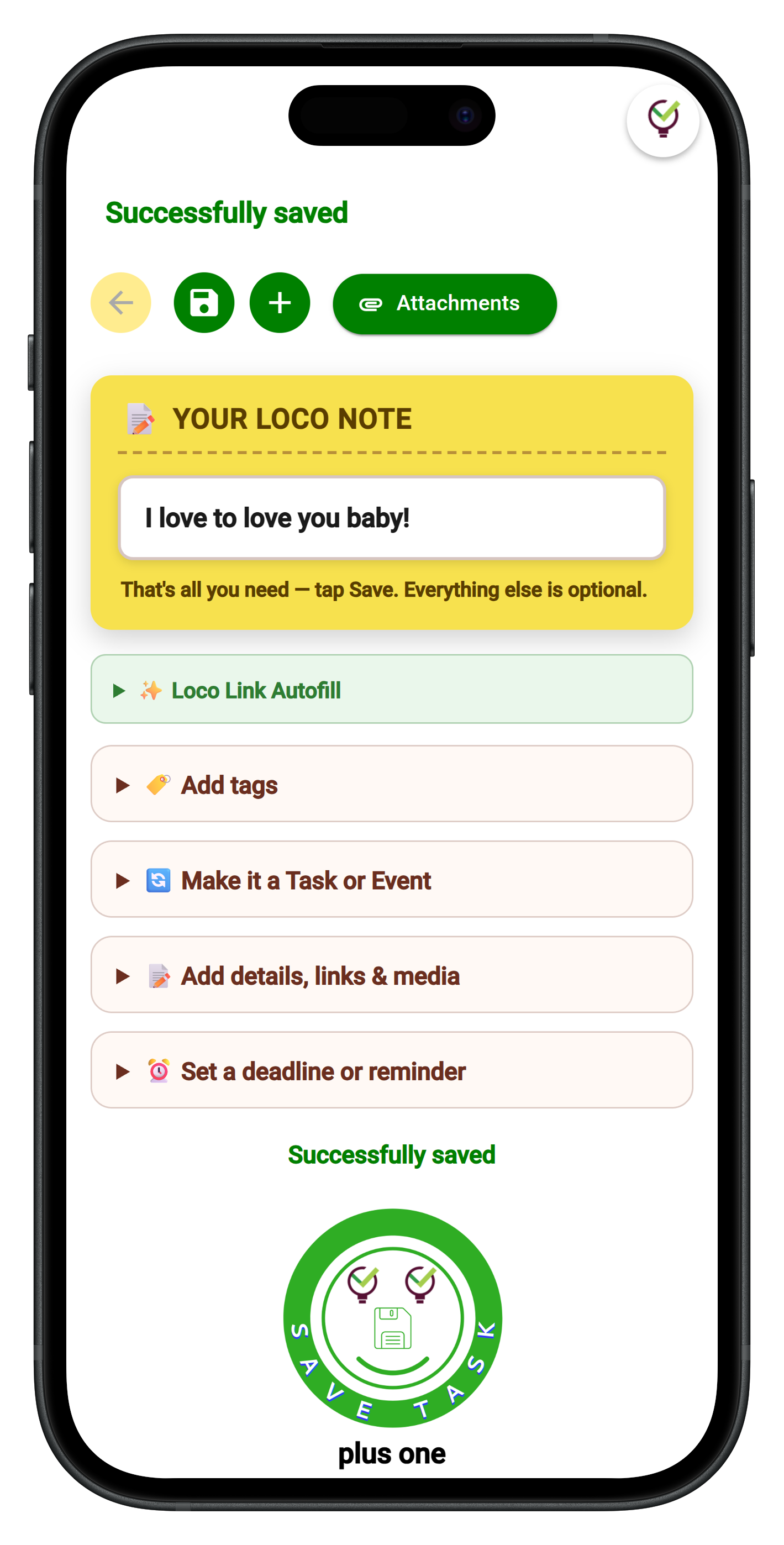
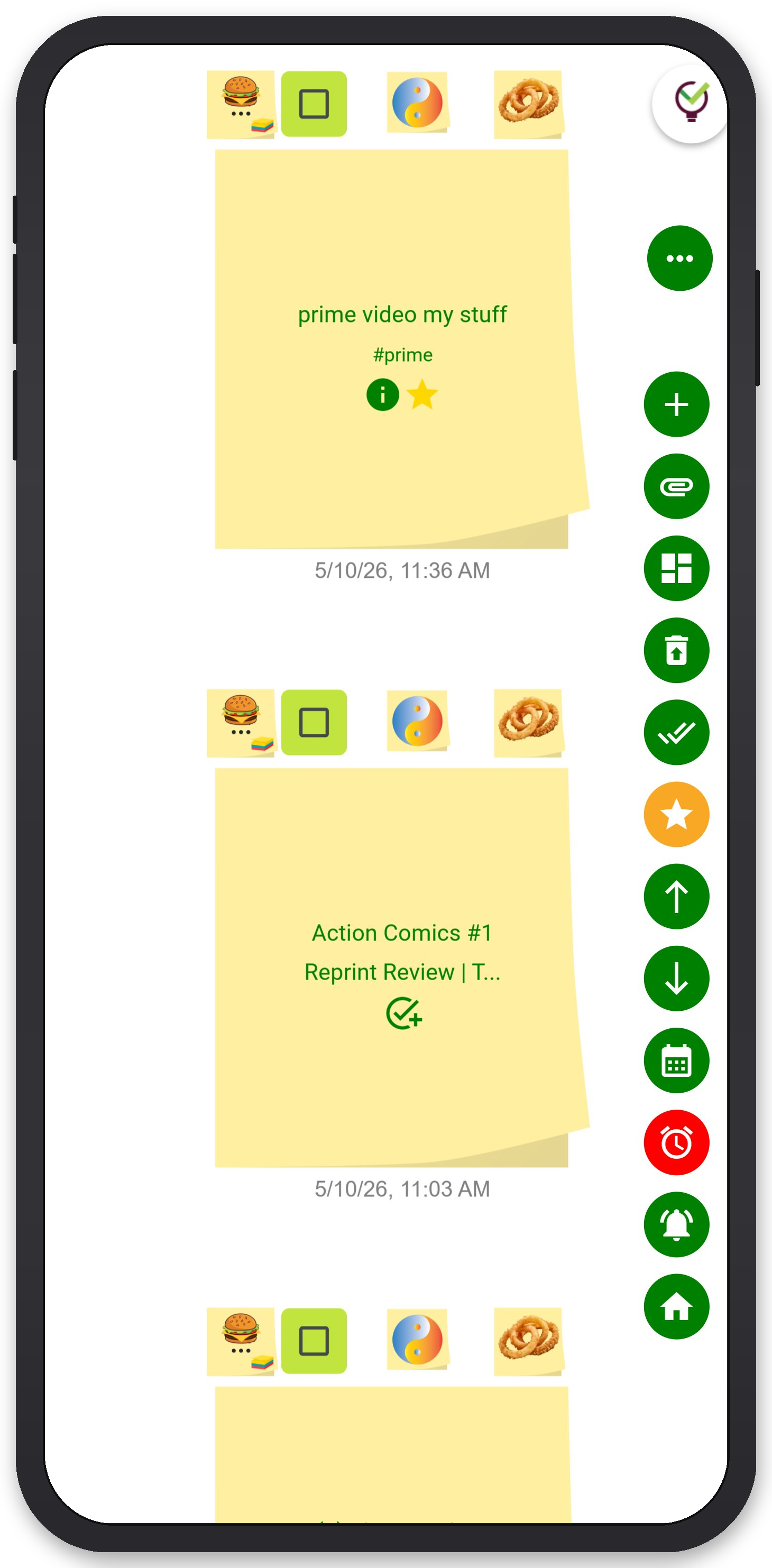
TaskLoco applies visual task management principles through digital sticky notes that work like physical ones — but with modern conveniences. Each note holds a task, idea, or reminder that you can arrange on your digital wall. The visual layout helps you see priorities at a glance while keeping everything searchable and synchronized across devices.
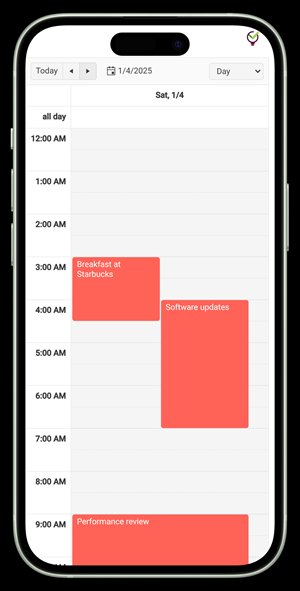
The sticky note approach feels natural because it mirrors how many people already work. Instead of learning complex project management interfaces, you get the familiar experience of arranging notes spatially. Color coding, file attachments, and calendar integration add functionality without sacrificing the simple visual approach.
For teams, TaskLoco's sharing features maintain the visual clarity while enabling collaboration. Team members can see shared note walls, understand current priorities, and contribute updates — all while preserving the spatial organization that makes visual task management effective.
TaskLoco Premium is regularly $9.99/month per person. Right now, charter members can lock in 50% off the regular price — forever. That means $4.99/month per person today. And if our price ever goes up, you still pay half. Always.
Code CHARTER50 auto-applies at checkout. First 500 spots only — once they're gone, this offer is gone permanently. Act fast while spots last.
Every Premium subscription includes unlimited notes, 10GB file storage, reminders, calendar, and team sharing. Each team member requires a separate subscription. 7-day free trial — no charge until day 8. Cancel anytime.
Free Options: TaskLoco
TaskLoco Lite
- Native iPhone & Android app
- Completely anonymous — no sign-in
- Data stays on your device
- Up to 20 notes
- Free forever
TaskLoco Lite Plus+
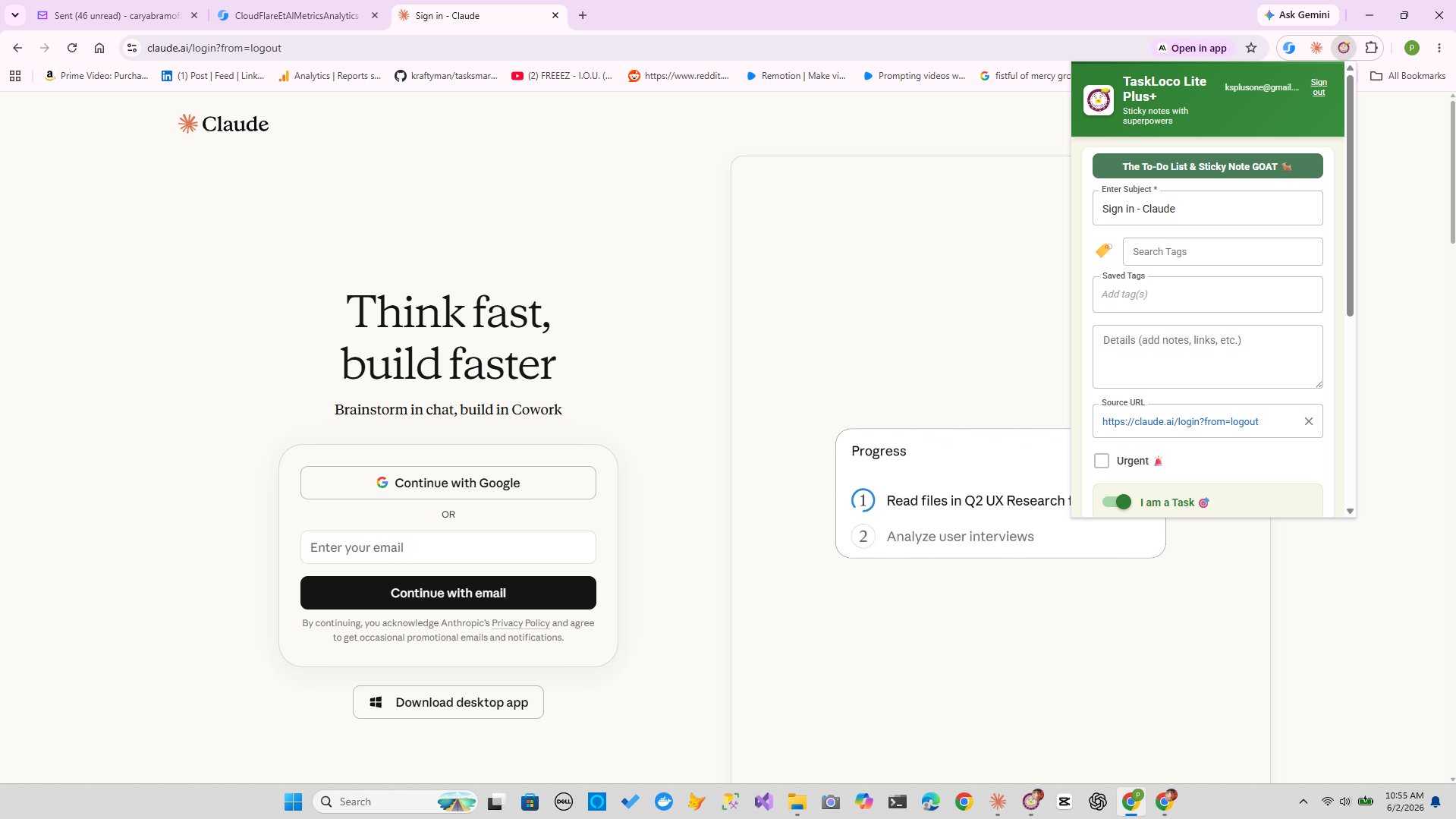
- Web app + Chrome extension
- Sign in with Google
- Wall syncs across all devices
- Up to 30 notes
- Free forever
Lock In 50% Off — Forever
7-day free trial. No charge until day 8. CHARTER50 auto-applies at checkout.
🔒 Lock In My Charter SpotSee TaskLoco in Action
Frequently Asked Questions
What makes visual task management more effective than regular lists?
Visual task management leverages spatial arrangement and color coding to help your brain process information faster. Instead of reading through lists sequentially, you see patterns, priorities, and progress at a glance, reducing cognitive load and improving decision-making speed.
Can visual task management work for complex projects?
Yes, visual systems excel at complex projects by revealing dependencies and relationships hidden in text lists. You can use swimlanes, color coding, and card groupings to organize multiple workstreams while maintaining overall project visibility.
How do I start implementing visual task management?
Begin with a simple three-column kanban board: To Do, Doing, Done. Write tasks on cards or sticky notes and move them through columns as work progresses. Add complexity gradually — more columns, color coding, or digital tools — based on your specific workflow needs.
What's the difference between kanban and other visual methods?
Kanban focuses on workflow columns and limiting work in progress. Other visual methods include sticky note walls for brainstorming, card-based systems for detailed task information, or hybrid approaches that combine multiple visual techniques based on team needs.
Do I need special software for visual task management?
No, you can start with physical sticky notes on a wall or whiteboard. Digital tools add benefits like remote access, file attachments, and automatic notifications, but the core visual principles work with any medium that lets you arrange tasks spatially.
How does visual task management help with team collaboration?
Visual systems create shared understanding at a glance. Team members can see current priorities, identify bottlenecks, and understand workload distribution without lengthy status meetings. The spatial arrangement makes project status immediately clear to everyone involved.
Can visual task management reduce work stress?
Yes, visual systems transform overwhelming task lists into organized, manageable layouts. Seeing completed work in a 'Done' column provides motivation, while spatial organization helps you focus on current priorities rather than feeling buried by endless lists.
Born in Brooklyn. Powered by AWS. Your data stays yours.
TaskLoco is available on iPhone, Android, Chrome, and every web browser.