Every productivity system eventually tells you to add something: more planning, more reviews, more apps, more frameworks. And every time you add something, you feel a brief burst of control — then the same fog returns. That fog isn't a character flaw. It's what happens when a human brain is handed more decisions than it can cleanly process.
The research on this is old and well-replicated. Decision fatigue, cognitive load, the paradox of choice — scientists have been documenting the cost of too much since the 1990s. The fix isn't a better system for managing more. It's the discipline to ruthlessly protect less. This article explains why that works, how to do it without a single app, and what it actually looks like in practice.
The Science Behind Productive Subtraction
In 2000, psychologists Sheena Iyengar and Mark Lepper ran a now-famous jam study. Shoppers stopped at a table with 24 jam options far less often than those who stopped at a table with 6 — and bought far less too. The takeaway wasn't about jam. It was that more choices increase cognitive load to the point where people stop choosing altogether.
Apply that to your task list. A 40-item to-do list isn't a productivity tool. It's a paralysis machine. Every item on that list is a micro-decision: do I do this now, defer it, or drop it? Multiply that by 40, and you've spent meaningful mental energy before you've done a single thing.
Roy Baumeister's research on decision fatigue showed that the quality of decisions degrades as the number of decisions made in a day increases. Judges gave harsher sentences after lunch than before. Doctors ordered more unnecessary tests late in the day. The pattern is consistent: volume kills quality. Your task list is no different.
This is also why the most productive people you know don't seem frantic. They've usually built a system — explicit or intuitive — for saying no to almost everything so they can say yes to the few things that actually move the needle.
How to Actually Do Less (Without Dropping Balls)
The fear underneath every overloaded task list is the same: if I don't write it down and keep it visible, it will disappear. That fear is legitimate. The solution is not to keep everything visible — it's to build a trustworthy system that holds things until they're actually needed, so you don't have to.
Step 1: Capture everything, then immediately sort it. Get every open loop out of your head and into one place. Don't organize as you capture — just dump. Then, in a separate pass, apply a simple filter: Does this need to happen today? This week? Eventually? Never? Items in the "never" bucket are usually larger than you expect.
Step 2: Set a hard daily limit. Choose 3 tasks — maximum — that must get done today. Not should, not ideally. Must. These are your MIT (Most Important Tasks). Everything else is available if you finish early, but it doesn't get counted as a failure if it doesn't happen. This single habit, practiced consistently, does more for output quality than most productivity systems combined.
Step 3: Use friction as a filter. Before adding anything to your active list, ask: what happens if I don't do this? If the honest answer is "probably nothing significant," don't add it. Let it live in a backlog or parking lot that you review weekly. Most items either resolve themselves, stop mattering, or get delegated before you ever get to them.
Step 4: Protect your peak hours. Everyone has a 2-4 hour window when their cognition is sharpest — usually in the morning, but not always. Guard that window like it's billable time. No meetings, no email, no small tasks that feel productive but aren't. That block is for your 3 MITs only.
Step 5: End the day with a deliberate close. Write down tomorrow's 3 MITs before you stop working today. This offloads the "what do I need to remember" anxiety from your brain to a trusted surface — and lets you actually disengage in the evening instead of carrying the mental overhead into your personal time.
What Strategic Subtraction Looks Like in Real Life
Theory is easy to agree with. Practice is where most people stall — usually because they mistake the clearing process for giving up. It doesn't feel productive to move 30 tasks to a backlog. It feels irresponsible. That discomfort is worth sitting with, because it's the feeling of reclaiming focus, not abandoning responsibility.
A few patterns that show up repeatedly in people who operate this way:
- They use separate spaces for ideas and commitments. Ideas go in a capture zone with zero urgency. Commitments go on the active list only when they have a real deadline. Mixing the two is the root cause of most overloaded lists.
- They batch small tasks. Email, admin, quick replies — these get a dedicated block (usually early afternoon, after peak hours), not scattered throughout the day. Each interruption costs an average of 23 minutes of recovery time, per Gloria Mark's research at UC Irvine. Batching collapses that cost dramatically.
- They review weekly, not daily. A daily review of a full backlog is exhausting and usually just re-acquaints you with things you already decided to defer. A weekly review is sufficient for anything that isn't time-sensitive, and keeps the backlog from becoming a source of guilt.
- They default to no. New requests go into the capture zone first, not straight onto the active list. The active list is a privilege, not a right. Most things don't make the cut — and that's the point.
None of this requires any specific tool. A index card, a whiteboard, a plain text file — the method works regardless of the surface. What matters is the discipline to enforce the constraints, not the elegance of the container.
How TaskLoco Fits Into This Approach
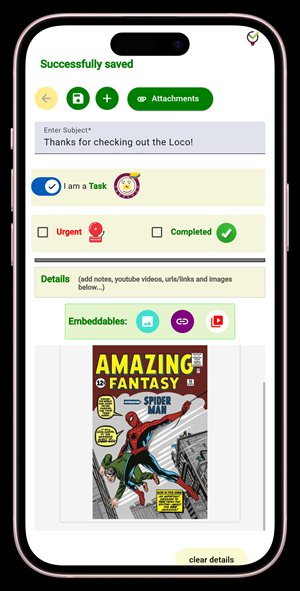
If you want a digital surface that's built around this kind of focused, minimal workflow, TaskLoco is worth a look. It's a sticky-note-based productivity app that doesn't bury you in project hierarchies or status dashboards. You put things on notes. You work through them. You move on.
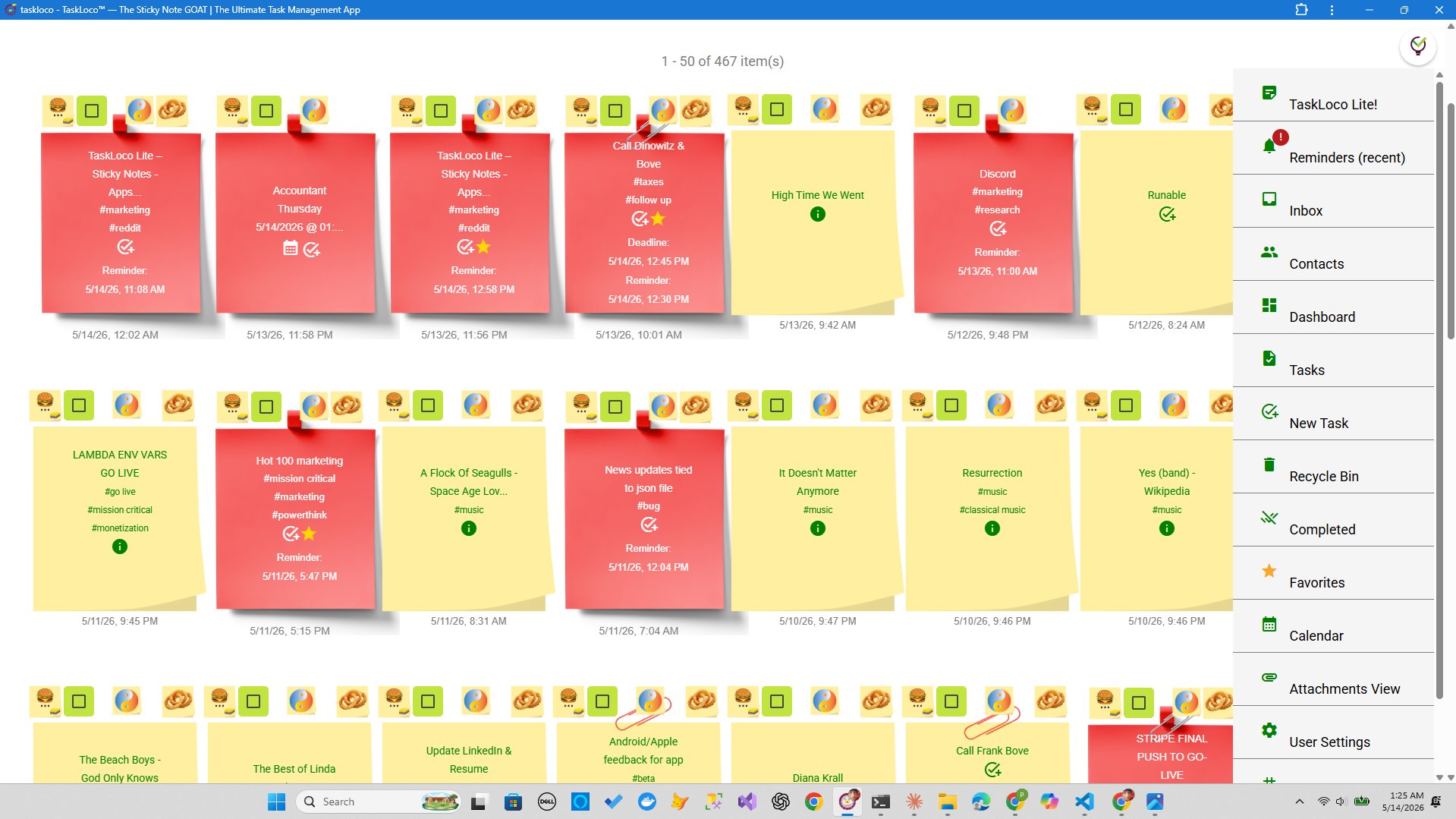
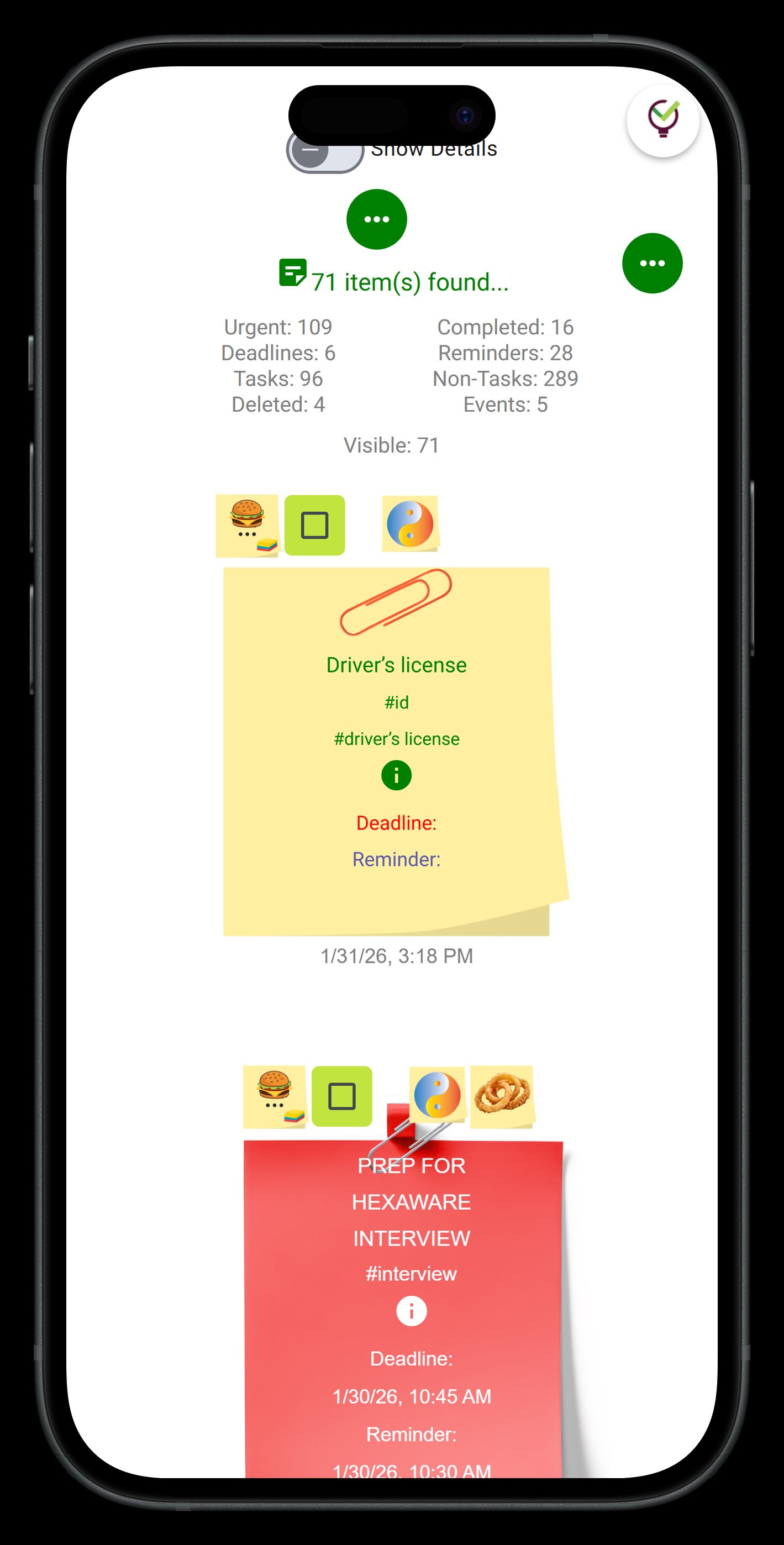
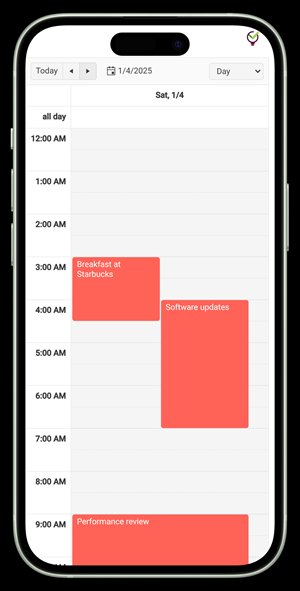
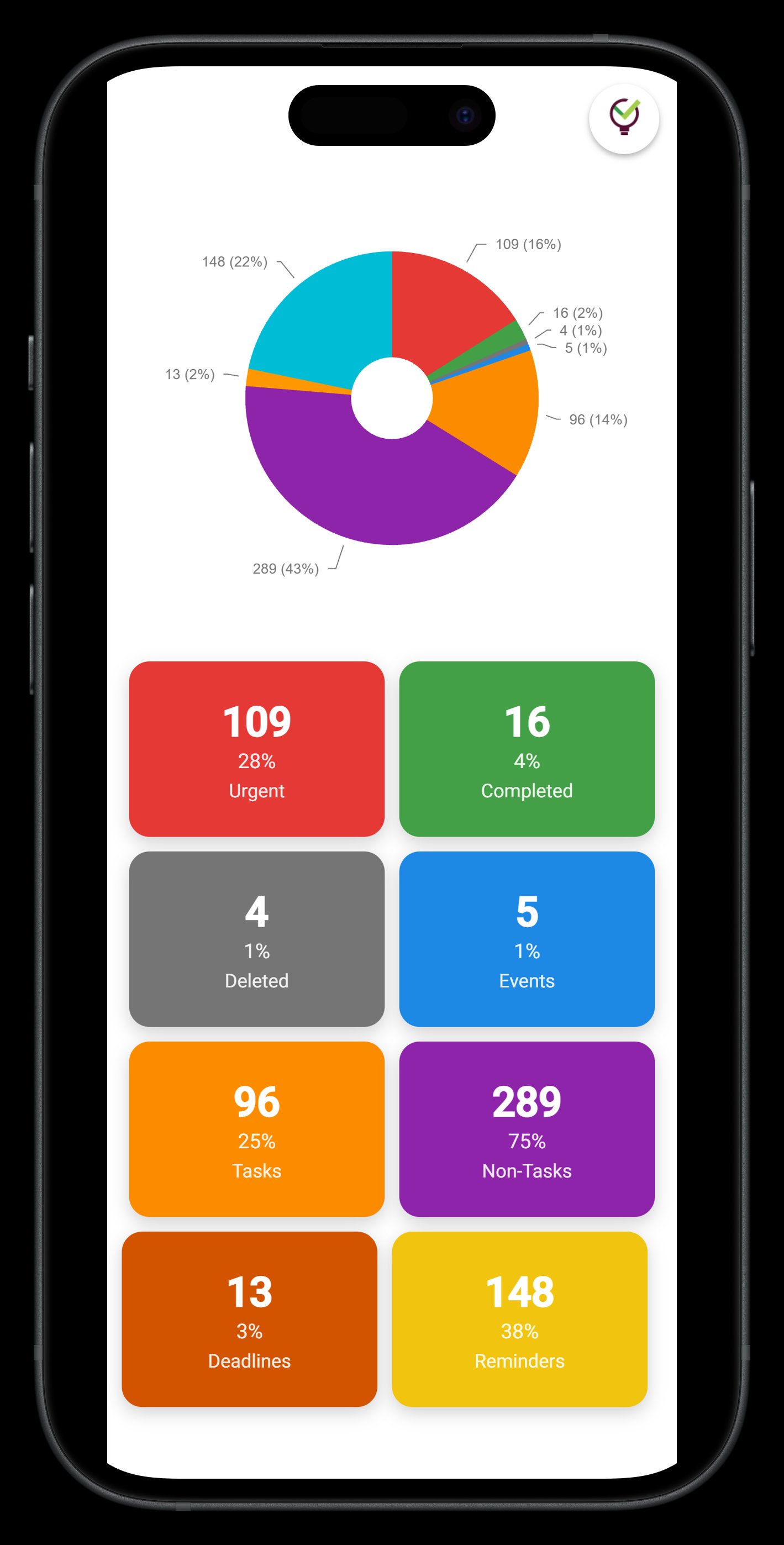
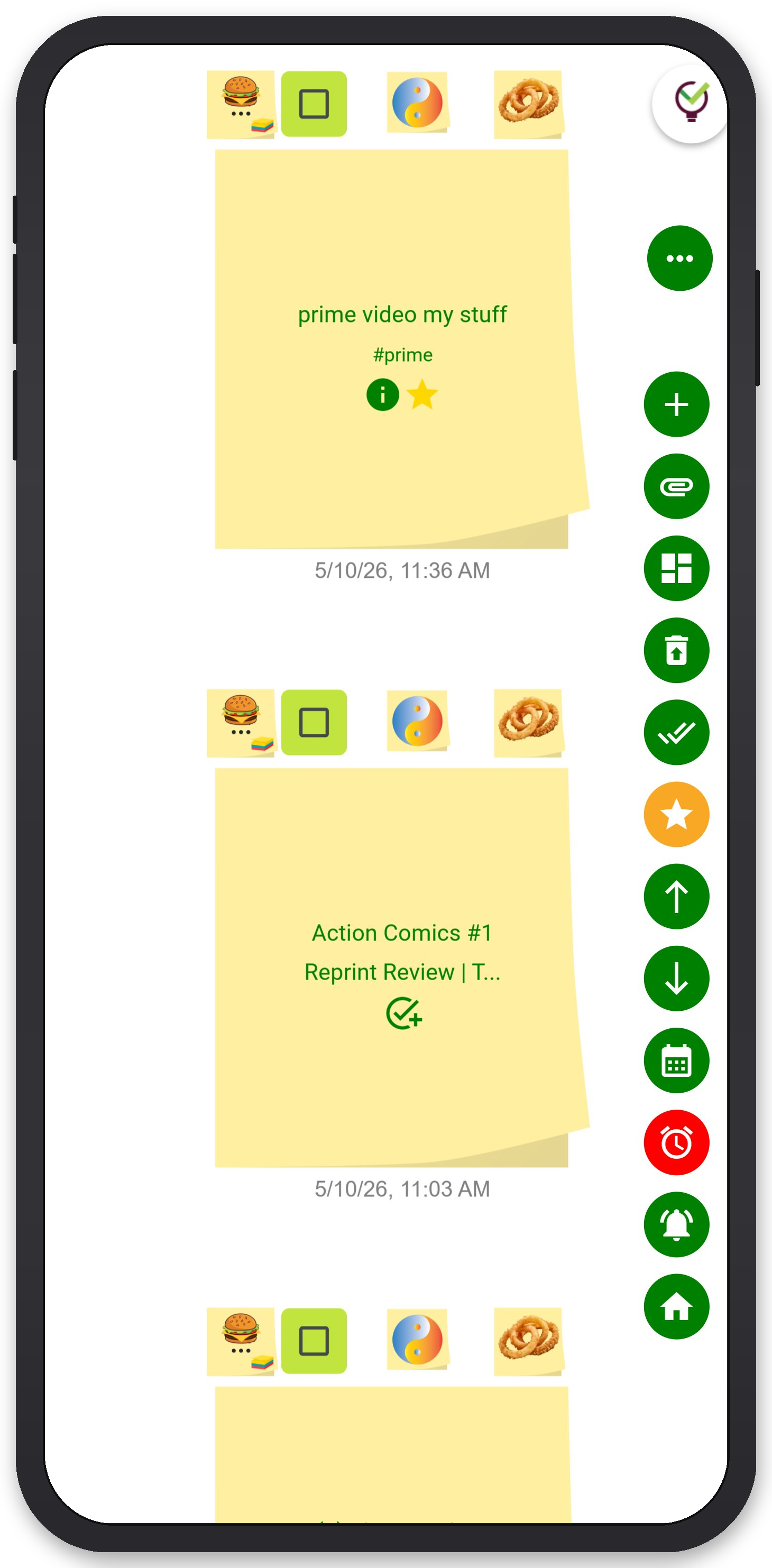
The wall view — a visual board of your notes — maps directly to the MIT approach. You see what you've chosen to keep in front of you. Nothing more. TaskLoco Premium adds reminders that fire as push notifications directly to your phone or computer, deep-linking back to the original note so context isn't lost. File attachments (10GB included) keep reference material inside the note it belongs to, not in a separate folder you have to remember to check.
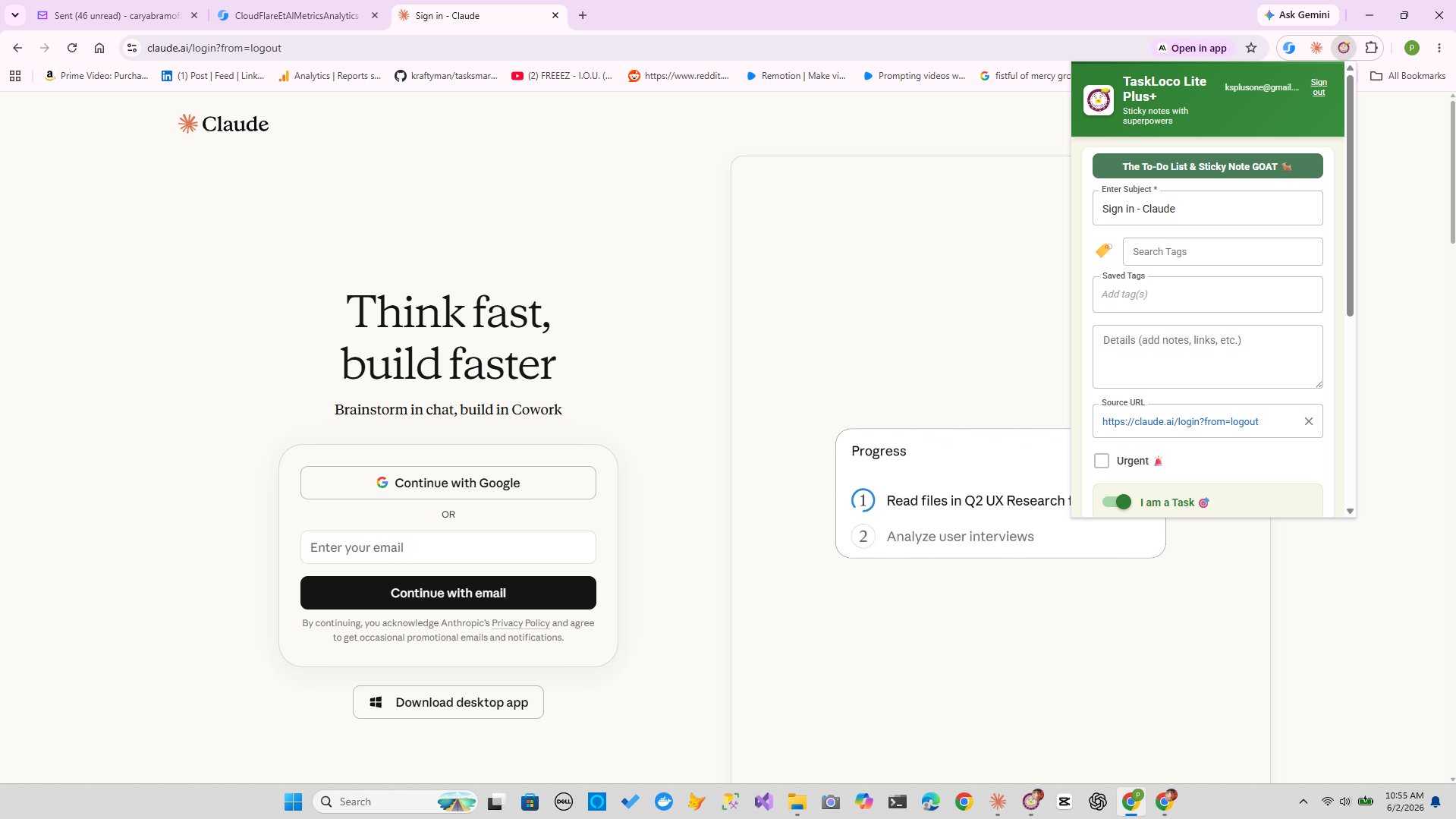
For capturing ideas before you decide if they deserve a place on your active list, TaskLoco Lite Plus+ gives you 30 synced notes across devices for free — useful as a dedicated capture zone. The Chrome extension lets you clip a webpage in one click, which is useful for the "I'll deal with this later" reflex that otherwise interrupts your focus.
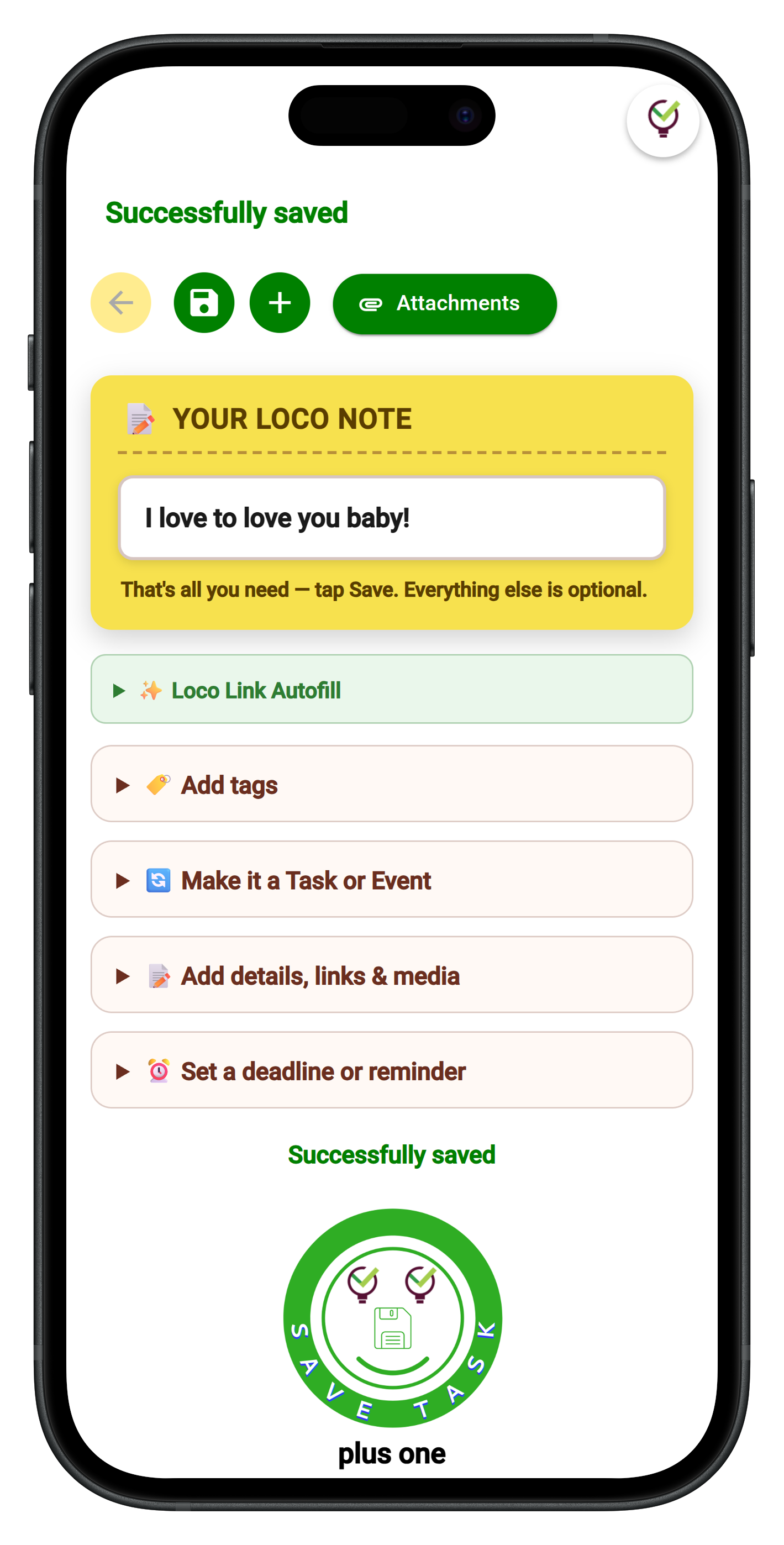
The native iPhone and Android app (TaskLoco Lite) handles up to 20 notes with no sign-in required — purely for getting thoughts out of your head fast, stored only on your device.
Team sharing in Premium works like sending an email — the recipient gets a copy of the note and makes it their own. No permission structures, no access levels to manage. Simple sharing that doesn't turn into an IT project.
TaskLoco Premium is regularly $9.99/month per person. Right now, charter members can lock in 50% off the regular price — forever. That means $4.99/month per person today. And if our price ever goes up, you still pay half. Always.
Code CHARTER50 auto-applies at checkout. First 500 spots only — once they're gone, this offer is gone permanently. Act fast while spots last.
Every Premium subscription includes unlimited notes, 10GB file storage, reminders, calendar, and team sharing. Each team member requires a separate subscription. 7-day free trial — no charge until day 8. Cancel anytime.
Free Options: TaskLoco
TaskLoco Lite
- Native iPhone & Android app
- Completely anonymous — no sign-in
- Data stays on your device
- Up to 20 notes
- Free forever
TaskLoco Lite Plus+
- Web app + Chrome extension
- Sign in with Google
- Wall syncs across all devices
- Up to 30 notes
- Free forever
Lock In 50% Off — Forever
7-day free trial. No charge until day 8. CHARTER50 auto-applies at checkout.
🔒 Lock In My Charter SpotSee TaskLoco in Action
Frequently Asked Questions
Why does doing less actually increase productivity?
Because human attention, decision-making, and willpower are finite. When you overload a task list, you spend more cognitive energy managing the list than executing from it. Reducing what you commit to on any given day preserves mental clarity for the work that genuinely matters — and that clarity shows up as faster, higher-quality output.
How many tasks should I actually commit to each day?
Research and practice both point to the same number: 3. Three Most Important Tasks per day. Not three easy tasks — three tasks that, if completed, make the day a genuine win regardless of what else happens. Everything beyond that goes into a backlog reviewed weekly, not daily.
Isn't a shorter to-do list just ignoring responsibilities?
No — it's separating active commitments from captured ideas and deferred items. A shorter active list doesn't mean you've forgotten about other obligations. It means those obligations live in a backlog with a scheduled review date, not on a daily list where they generate guilt without generating progress. The goal is a trustworthy system, not a shorter memory.
What's the difference between a backlog and a to-do list?
A to-do list is an active commitment — you intend to touch every item on it in the near term. A backlog is a parking lot — items sit there until you actively pull them onto your active list during a scheduled review. The discipline is keeping these two spaces genuinely separate. Once backlog items start leaking onto the active list without going through the filter, both lists lose meaning.
How do I stop new requests from ruining my focused list?
Default every new request to the capture zone, not the active list. That means any new task — from your boss, a Slack message, an idea mid-shower — goes into a neutral capture space first. It earns a place on the active list only if it's time-sensitive or high-impact enough to displace something already there. Most things aren't. This single habit prevents list inflation more reliably than any other technique.
Does this approach work for teams, not just individuals?
Yes, and often more dramatically. Teams that apply strategic subtraction at the team level — limiting work in progress, defining explicit daily priorities per person, keeping shared context in one place — see fewer blockers and faster handoffs. The same logic applies: fewer simultaneous commitments per person means each person actually finishes things, which unblocks everyone downstream.
What tool works best for this kind of minimal productivity system?
The honest answer is that the method works with any surface — paper, a whiteboard, a plain text file. What matters is enforcing the constraints. If you want a digital tool that doesn't push you toward complexity, TaskLoco is a natural fit. Its sticky-note-based structure keeps things visible and minimal. Premium adds reminders delivered as push notifications (with optional email and SMS), file attachments, calendar view, and team sharing — all without a project management interface pushing you toward more. $9.99/month per person (currently $4.99/month per person for first 500 charter members with code CHARTER50)
Born in Brooklyn. Powered by AWS. Your data stays yours.
TaskLoco is available on iPhone, Android, Chrome, and every web browser.