You're in the shower. A brilliant idea hits. You think: I'll definitely remember this. Twenty minutes later, you're standing in the kitchen with a vague sense that something important happened — and nothing else. The thought is gone. This isn't a memory problem. It's a brain architecture problem, and understanding it is the first step to actually fixing it.
The same thing happens in meetings, on walks, during conversations, and right before sleep. "I'll remember" is one of the most expensive lies we tell ourselves — not because we're forgetful people, but because we fundamentally misunderstand what human working memory is built to do.
Why Your Brain Keeps Dropping the Ball
Working memory — the mental workspace where you hold active thoughts — has a capacity of roughly four chunks of information at once. That's it. Four. And those slots are constantly being contested by everything else happening around you: a notification, a question from a colleague, the next item on your agenda.
When a new thought enters working memory and isn't immediately reinforced (written down, spoken aloud, tied to an action), the brain runs a quiet triage. If it judges the thought as non-urgent relative to what else is competing for attention, it deprioritizes it. The thought doesn't get "stored" — it just fades. This isn't failure. This is the system working exactly as designed. The brain is not a filing cabinet; it's a decision engine optimized for the present moment.
There's also a phenomenon called the Zeigarnik effect working against you here. The brain tends to remember incomplete tasks better than completed ones — but only when there's some kind of open loop signal. An unwritten idea has no open loop. It never formally entered your task system, so there's nothing to nag you about it later. It simply vanishes.
The Real Fix: Capture First, Organize Later
The solution isn't a better memory technique. It isn't a mnemonic device or a mental palace. It's a behavioral habit so simple it feels almost insulting: capture the thought immediately, in whatever form is available, without trying to organize it.
David Allen's Getting Things Done framework calls this the "trusted system" — an external brain you offload to the moment a thought surfaces, so your actual brain doesn't have to hold it. The key insight is that capture and organization are two separate acts. Most people fail because they try to do both at once: they hesitate, think "where does this go?", and in that pause the thought slips out. The rule is simple — capture now, sort later.
Here's what immediate capture looks like in practice:
- Voice memos. Pull out your phone and talk. "Remind me to follow up with Jordan about the contract" takes four seconds and costs nothing. The audio file is your capture.
- Paper and pen. A pocket notebook or a sticky note pad works perfectly. The act of writing — even messy, abbreviated, mid-sentence — is enough to create the external record your brain needs.
- A dedicated note app. One tap, one place. The app should open immediately with no friction — not buried behind folders and projects.
- Email yourself. Ugly, but effective. A subject line is enough. If nothing else is available, this works.
The medium matters far less than the habit. What matters is: the moment a thought occurs, it leaves your head and enters a system. Any system. The thought is now someone else's problem — specifically, future-you's problem, when you're in a better context to act on it.
Building a Capture Habit That Actually Sticks
Knowing you should capture things and actually doing it are two different problems. The habit fails for a few predictable reasons: too much friction, no consistent home for captured items, and a review cycle that never happens. Here's how to address each one.
Reduce friction to near zero. If opening your capture system takes more than two seconds, you will skip it when the moment is inconvenient — which is exactly when important thoughts surface. Your capture tool should be one tap from your home screen, or a widget, or a physical pad within arm's reach of where you spend most of your time. Friction is the enemy of the habit.
Use one inbox, not many. The most common capture failure is having too many places where things land — notes app, email drafts, paper scraps, reminders app, voice memos. You end up with eight half-complete systems and nothing you can trust. Pick one place as your primary capture inbox. Everything goes there first. You can redirect later.
Schedule a daily review — even five minutes. Capture without review is just a guilt pile. Once a day, look at what landed in your inbox and decide: is this still relevant? If yes, give it a place in your actual task list. If no, delete it. This review cycle is what turns random captured notes into a functioning external brain. Without it, the inbox becomes a dumping ground and you stop trusting the system.
Use reminders for time-sensitive captures. A thought like "call the dentist" is only useful if it surfaces when you can actually act on it. If your capture tool can attach a reminder to a note, use it. A push notification that deep-links back to the original note is far more useful than a generic alarm that gives you no context.
Lower the bar for what's worth capturing. "It's too small to write down" is a trap. If the thought occurred to you, it's using working memory. Write it down, decide it's trivial, delete it. That loop takes five seconds and costs nothing. Holding it in your head costs attention you could spend on something else.
How TaskLoco Fits Into This System
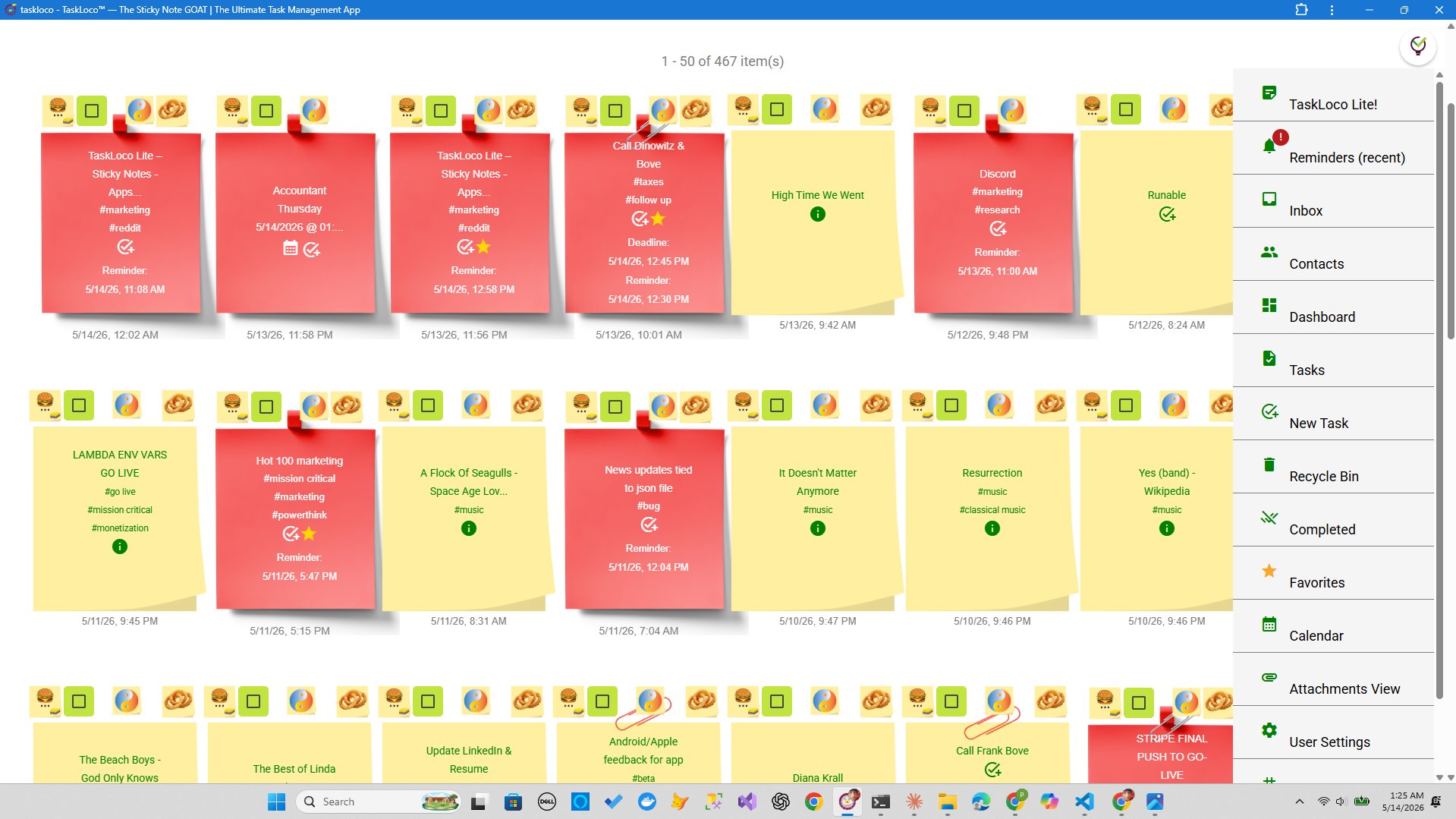
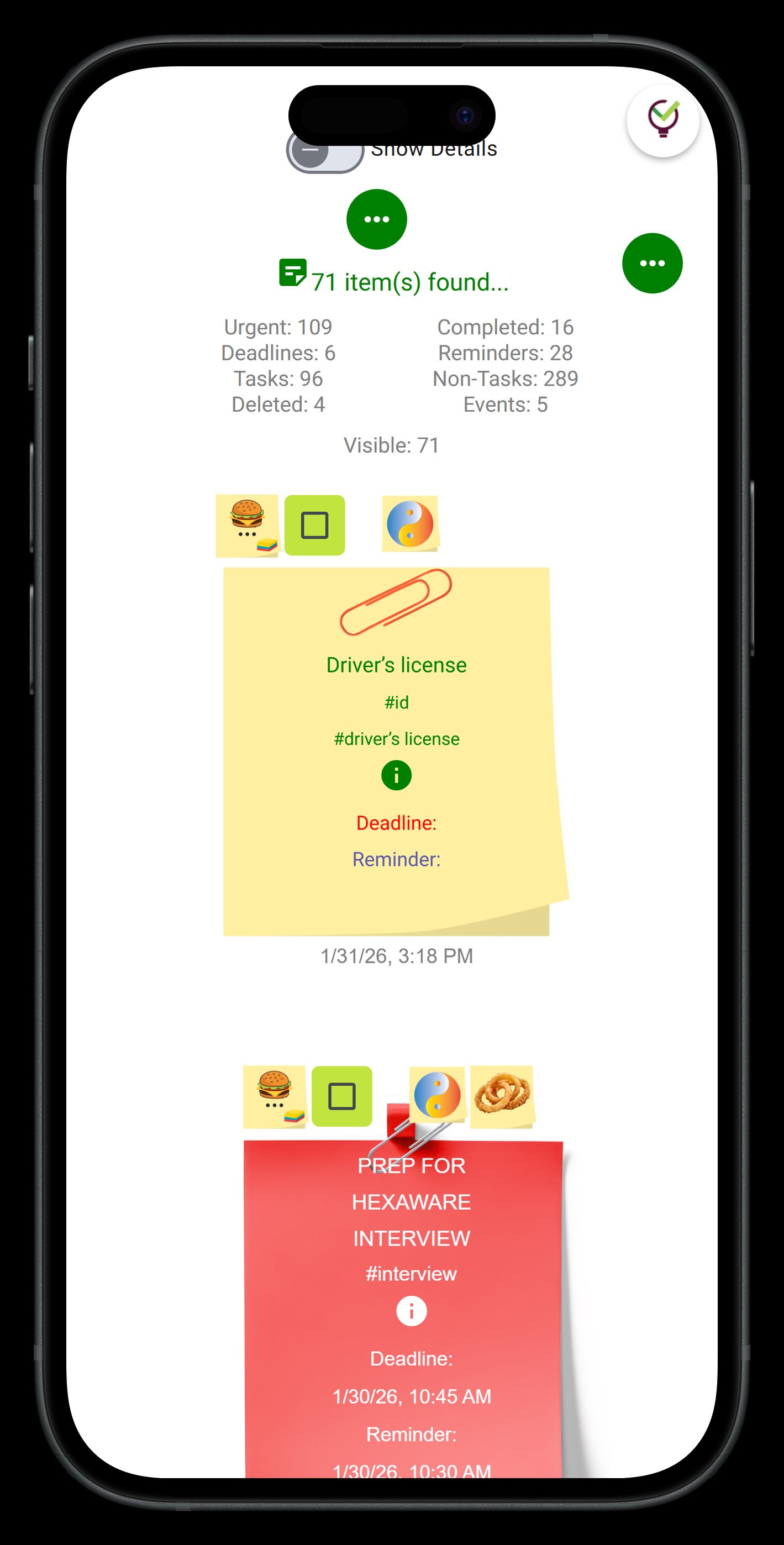
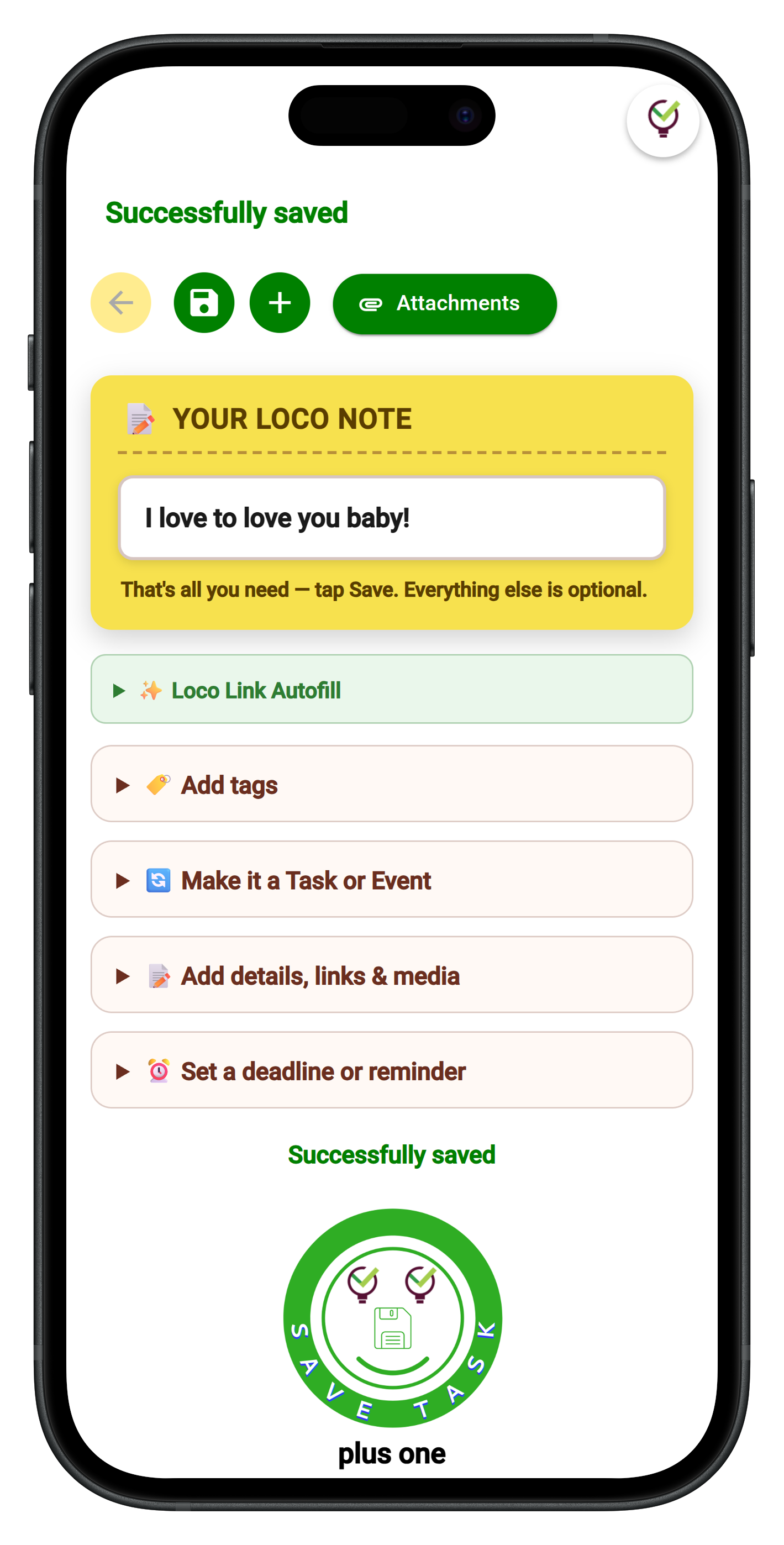
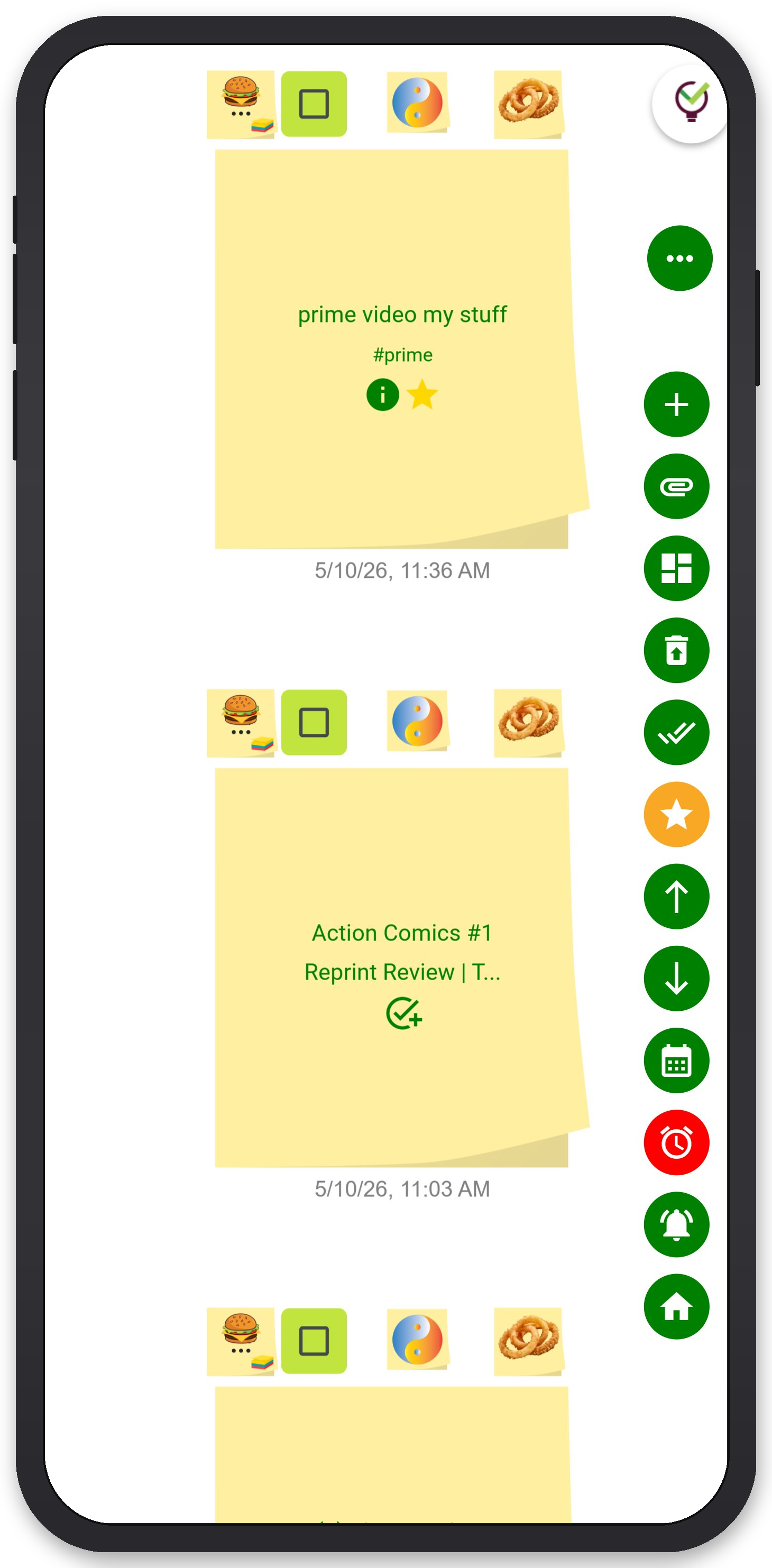
If you want a digital capture tool that actually removes friction instead of adding it, TaskLoco is worth a look. The whole interface is built around sticky notes — the mental model most people already use for quick captures — which means there's almost no learning curve between "I have a thought" and "it's written down."
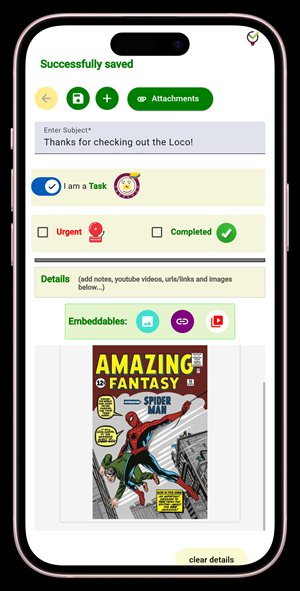
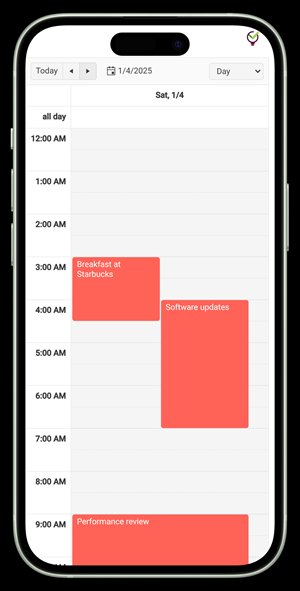
TaskLoco Premium adds the piece that makes digital capture genuinely useful over paper: reminders delivered as push notifications that deep-link directly back to the original note. You capture the thought, tag a reminder, and when the notification fires later you tap it and land immediately in context — not in a generic app home screen wondering what you were thinking about. Email and SMS notifications are available as optional additions if you want backup channels.
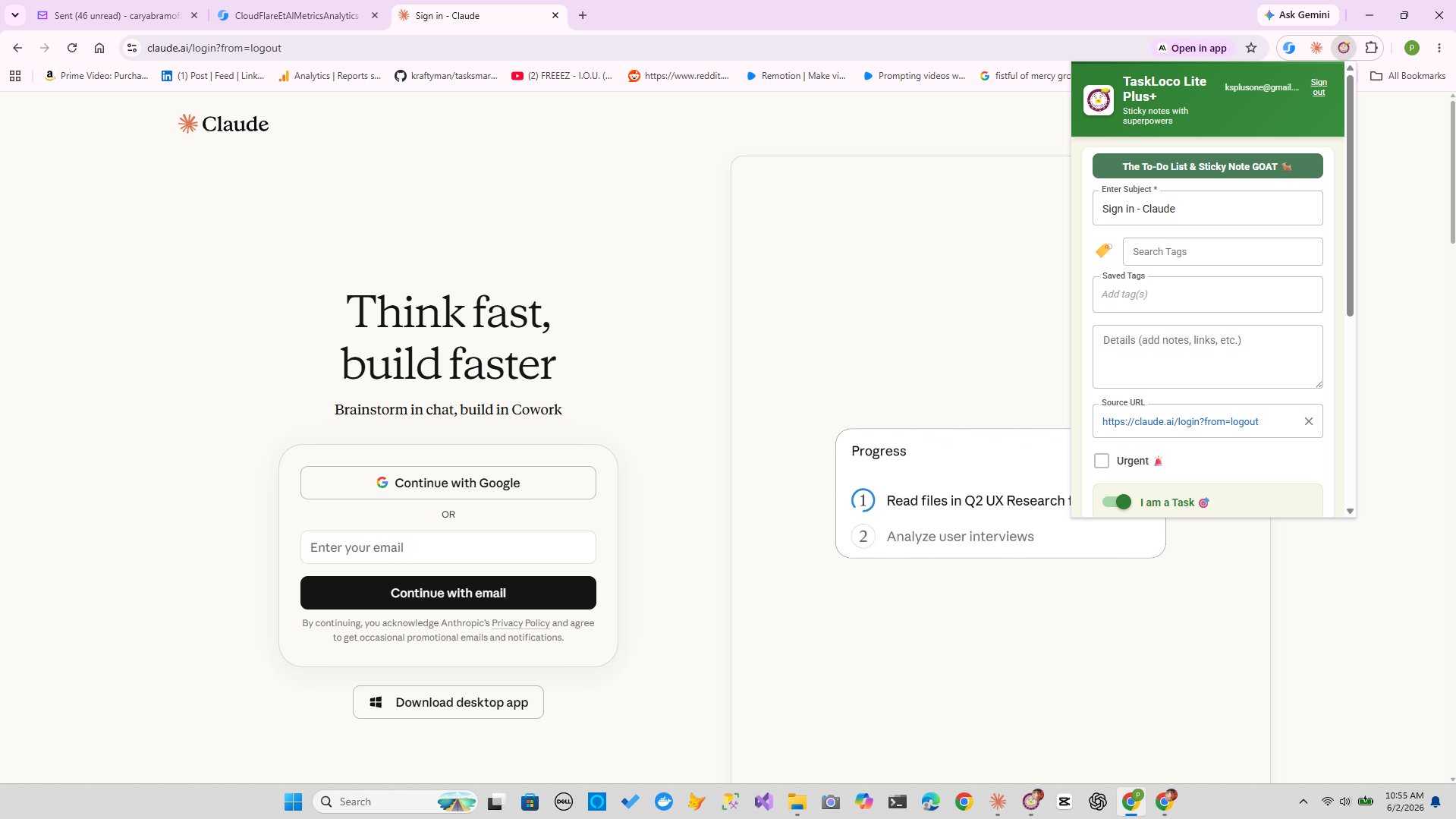
There's also a Chrome extension that captures any webpage in one click — useful when something you're reading online triggers a thought you want to save. And for teams, shared notes work like email: the recipient gets the note and can clone it as their own, no permissions or access levels to configure.
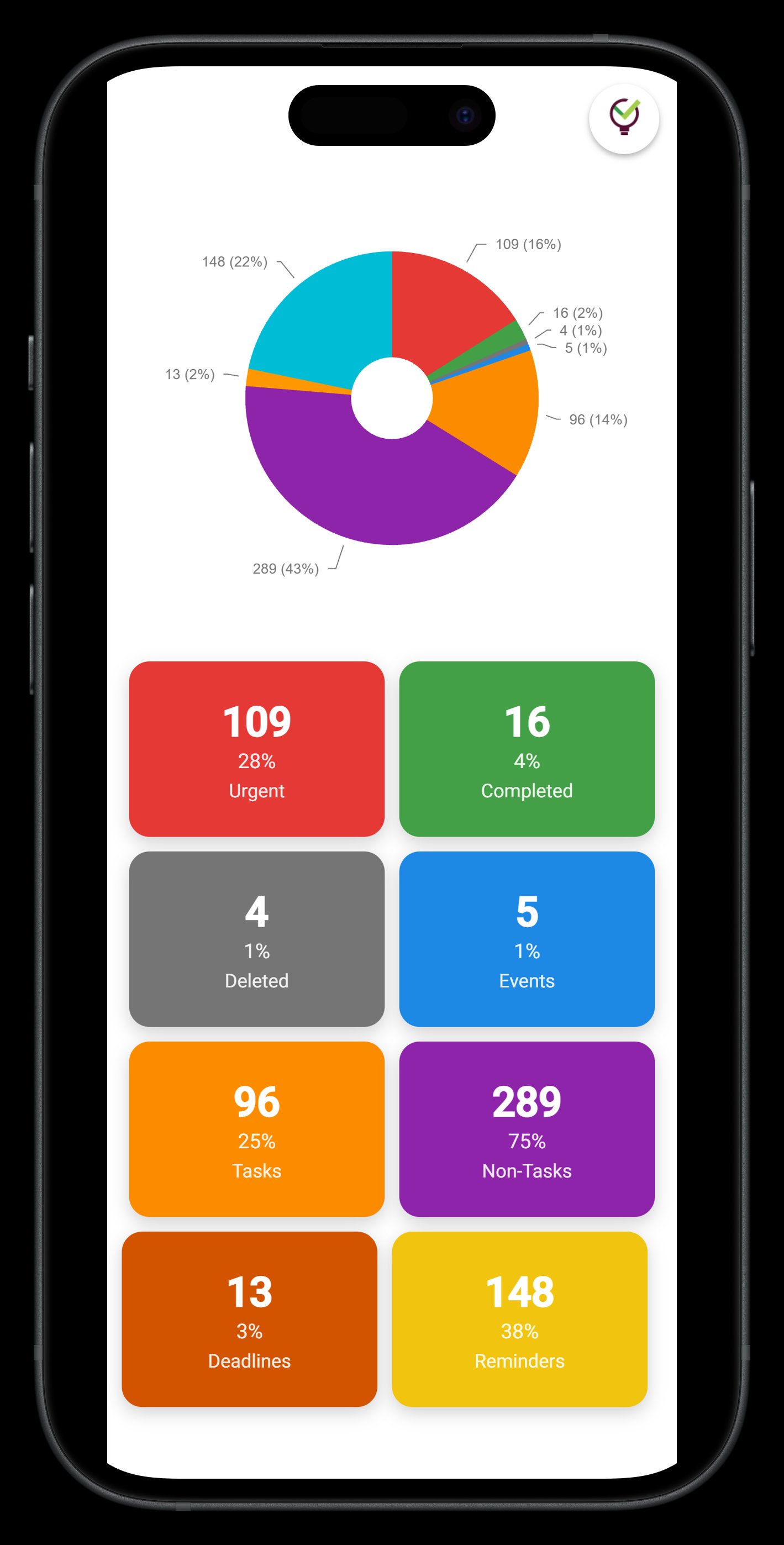
For pure capture with no account required, TaskLoco Lite (native iPhone and Android) is completely anonymous — no sign-in, no server, just a local note file on your device, up to 20 notes. Neither free tier includes reminders or file attachments — those are Premium features.
TaskLoco Premium is regularly $9.99/month per person. Right now, charter members can lock in 50% off the regular price — forever. That means $4.99/month per person today. And if our price ever goes up, you still pay half. Always.
Code CHARTER50 auto-applies at checkout. First 500 spots only — once they're gone, this offer is gone permanently. Act fast while spots last.
Every Premium subscription includes unlimited notes, 10GB file storage, reminders, calendar, and team sharing. Each team member requires a separate subscription. 7-day free trial — no charge until day 8. Cancel anytime.
Free Options: TaskLoco
TaskLoco Lite
- Native iPhone & Android app
- Completely anonymous — no sign-in
- Data stays on your device
- Up to 20 notes
- Free forever
TaskLoco Lite Plus+
- Web app + Chrome extension
- Sign in with Google
- Wall syncs across all devices
- Up to 30 notes
- Free forever
Lock In 50% Off — Forever
7-day free trial. No charge until day 8. CHARTER50 auto-applies at checkout.
🔒 Lock In My Charter SpotSee TaskLoco in Action
Frequently Asked Questions
Why do I keep forgetting things even when I try to remember them?
Working memory can only hold about four chunks of information at once, and it's constantly competing with new inputs. When a thought isn't immediately captured externally — written down, recorded, or entered into a system — the brain deprioritizes it under cognitive load and it fades. This is normal and not a sign of a bad memory. The fix is external capture, not mental effort.
What is the best way to stop forgetting important thoughts and ideas?
The most effective method is immediate capture: the moment a thought occurs, get it out of your head and into an external system before doing anything else. Use whatever is fastest — voice memo, paper, a note app. Don't try to organize it in the moment. Capture first, sort later. Follow up with a short daily review to turn captures into actions.
Does the Zeigarnik effect explain why I remember some things and forget others?
Partly. The Zeigarnik effect describes the brain's tendency to remember incomplete tasks better than completed ones — but this only works when the task has been formally registered as "open." An unwritten thought never enters that system, so there's no nagging signal. Writing things down actually activates the Zeigarnik loop in your favor, giving your brain a reason to keep the item accessible until it's resolved.
Is it better to use paper or a digital app for capturing thoughts?
The honest answer is: whichever one you'll actually use in the moment. Paper is fast, always available, and requires no authentication. A digital app adds search, sync, reminders, and the ability to attach files or links. Many people use both — paper for immediate capture, digital for anything that needs a reminder or follow-up. The important thing is reducing friction. A great paper system beats a great app you never open.
How do I build a habit of writing things down?
Three things make the habit stick: reduce friction (your capture tool should be reachable in under two seconds), use one inbox (don't split captures across five apps), and schedule a short daily review (even five minutes to triage what landed). The review is critical — without it, your capture pile becomes a guilt list and you stop trusting the system.
How does TaskLoco help with capturing and remembering thoughts?
TaskLoco's sticky note interface is designed for fast, low-friction capture — open the app, write the thought, done. Premium adds reminders delivered as push notifications that deep-link back to the original note, so you land in context when the notification fires, not in a generic inbox. There's also a Chrome extension for one-click capture of any webpage. A free tier (Lite) is available with no sign-in required for up to 20 notes on your device. $9.99/month per person (currently $4.99/month per person for first 500 charter members with code CHARTER50)
What should I do if I forget a thought before I could write it down?
Try reconstructing the context: where were you, what were you doing, who were you thinking about? Memory is associative — the environment or trigger that produced the thought is your best retrieval cue. If that doesn't work, let it go and trust that truly important thoughts resurface. The better long-term answer is to build a faster capture reflex so the gap between thought and capture shrinks to seconds, not minutes.
Born in Brooklyn. Powered by AWS. Your data stays yours.
TaskLoco is available on iPhone, Android, Chrome, and every web browser.