You start the day staring at your Kanban board. Dozens of cards spread across columns like "To Do," "In Progress," and "Done." Your brain automatically scans left to right, trying to process what needs attention. Five minutes in, you're already tired.
This isn't laziness or lack of focus. Kanban boards create genuine cognitive fatigue through their visual complexity, constant decision-making demands, and friction-heavy interactions. The very design that promises clarity often delivers overwhelm instead.
The Visual Scanning Problem
Kanban boards force your brain into constant scanning mode. Unlike a simple list where your eyes move vertically down familiar territory, boards scatter information horizontally across multiple columns. Your brain must process spatial relationships, compare card positions, and mentally map progress states.
Research in cognitive psychology shows that visual scanning tasks consume significant mental energy, especially when the scanning pattern changes frequently. Every time you open your Kanban board, you're asking your brain to rebuild a mental map of where everything sits.
This scanning overhead happens before you even start working on actual tasks. You've spent mental energy just figuring out what's where, leaving less cognitive bandwidth for the work that matters.
Decision Fatigue From Status Updates
Every Kanban interaction demands a micro-decision: which column does this belong in? Is it "In Progress" or "In Review"? Should it go in "Testing" or "Done"? These status decisions seem trivial, but they accumulate into serious decision fatigue.
Psychologist Roy Baumeister's research on decision fatigue shows that every choice depletes your mental energy reserves. When your productivity system constantly asks "what status is this?" instead of "what needs doing?", you're burning willpower on metadata instead of actual work.
The problem multiplies when team members disagree about status meanings. Is "In Progress" for tasks you're actively working on, or tasks you've started but paused? These ambiguities force even more decision-making overhead.
The Drag-and-Drop Friction
Moving cards between columns feels smooth in demos but creates real friction during actual work. You must locate the card, drag it to the right column, and ensure it lands in the correct position. On mobile devices, this becomes even more cumbersome with imprecise touch targets.
More importantly, the drag-and-drop paradigm interrupts flow states. Instead of staying focused on your current task, you're switching to board management mode — finding cards, moving them around, and reorganizing layouts. These interruptions fragment your attention.
The physical act of dragging cards also reinforces a false sense of progress. Moving a card to "Done" triggers a small dopamine hit that can become addictive, leading people to focus on board management rather than meaningful work completion.
A Simpler Alternative: TaskLoco's Note-Based Approach
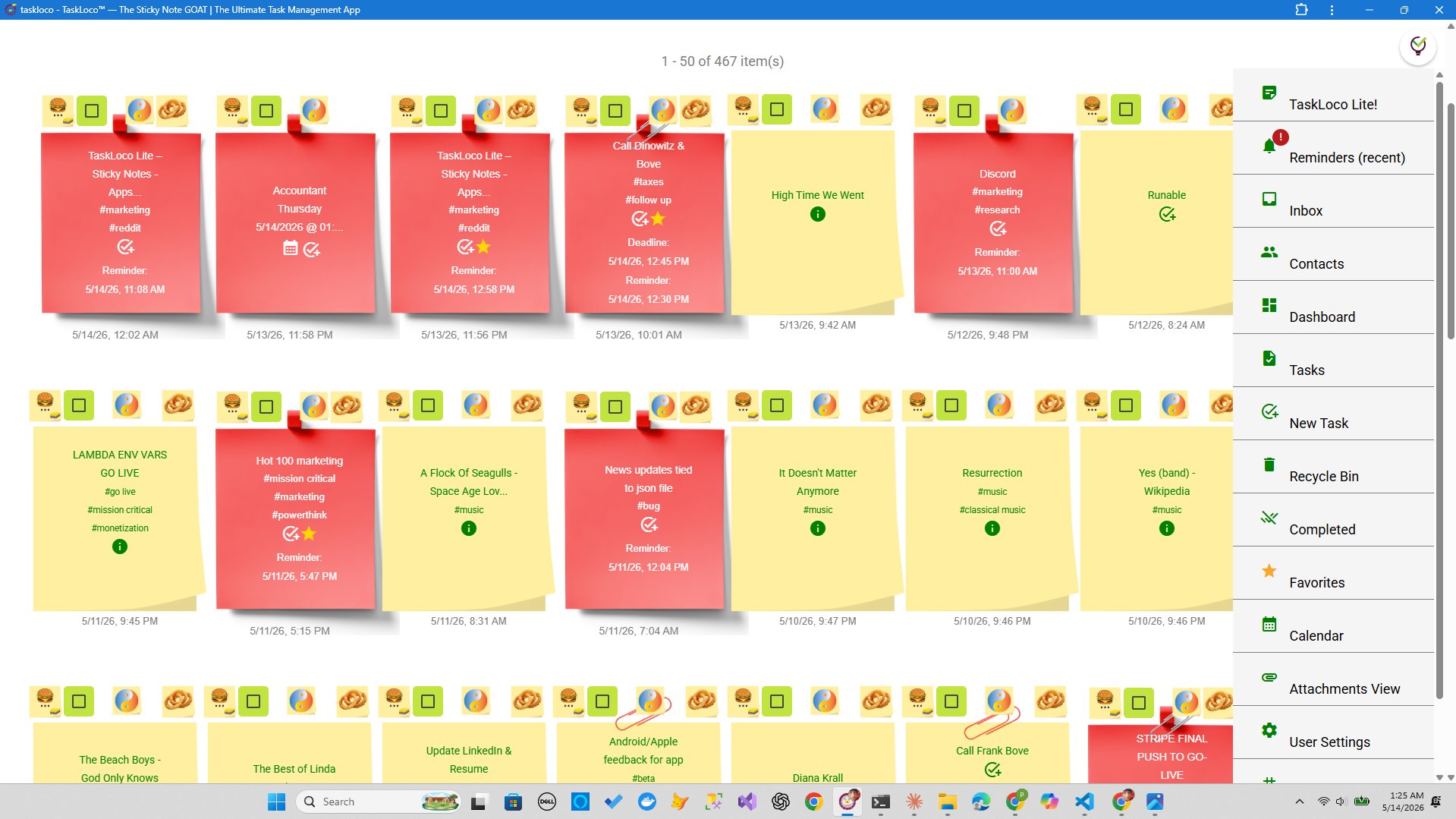
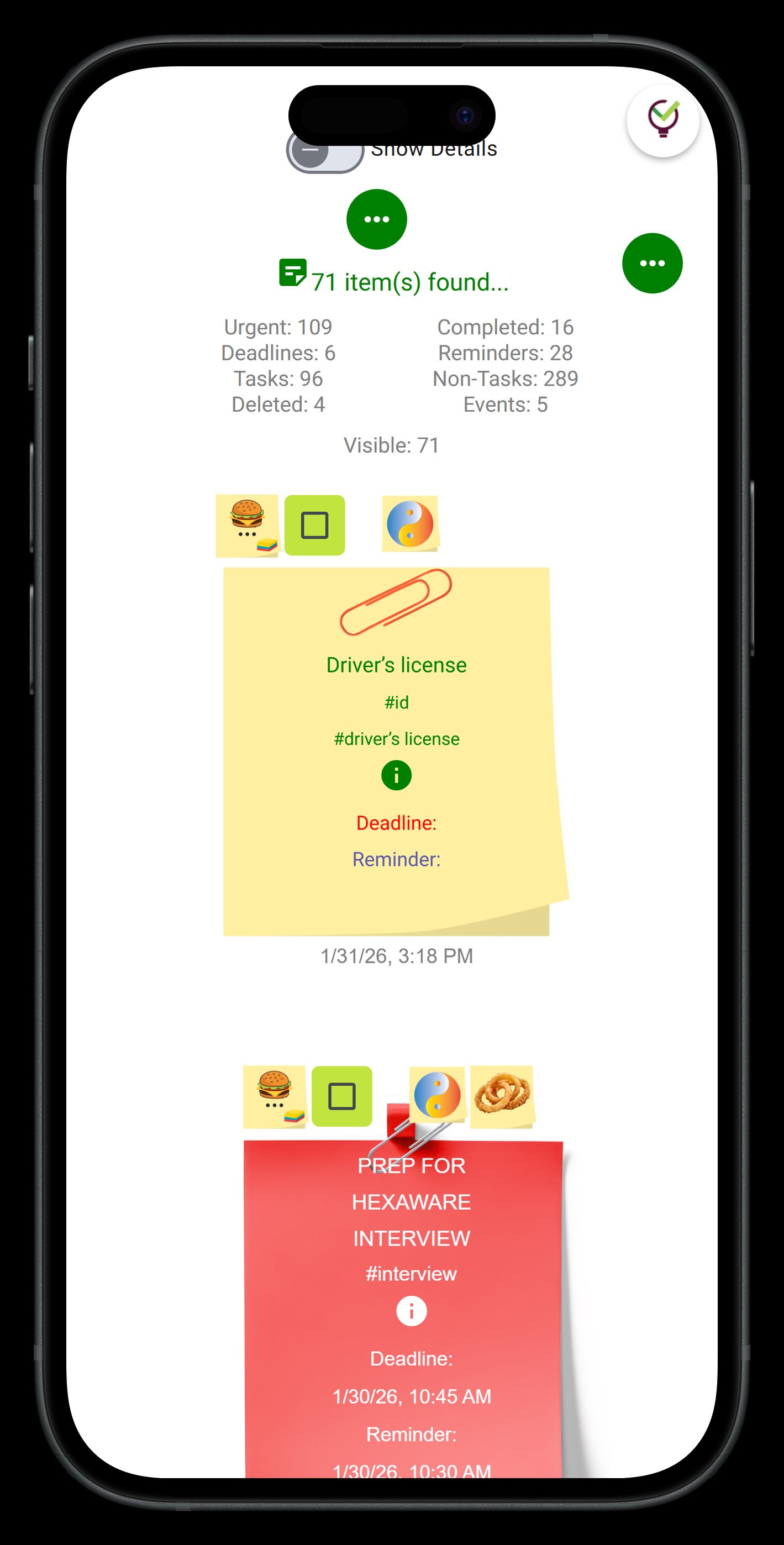
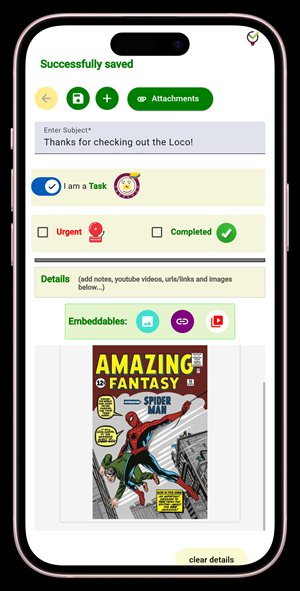
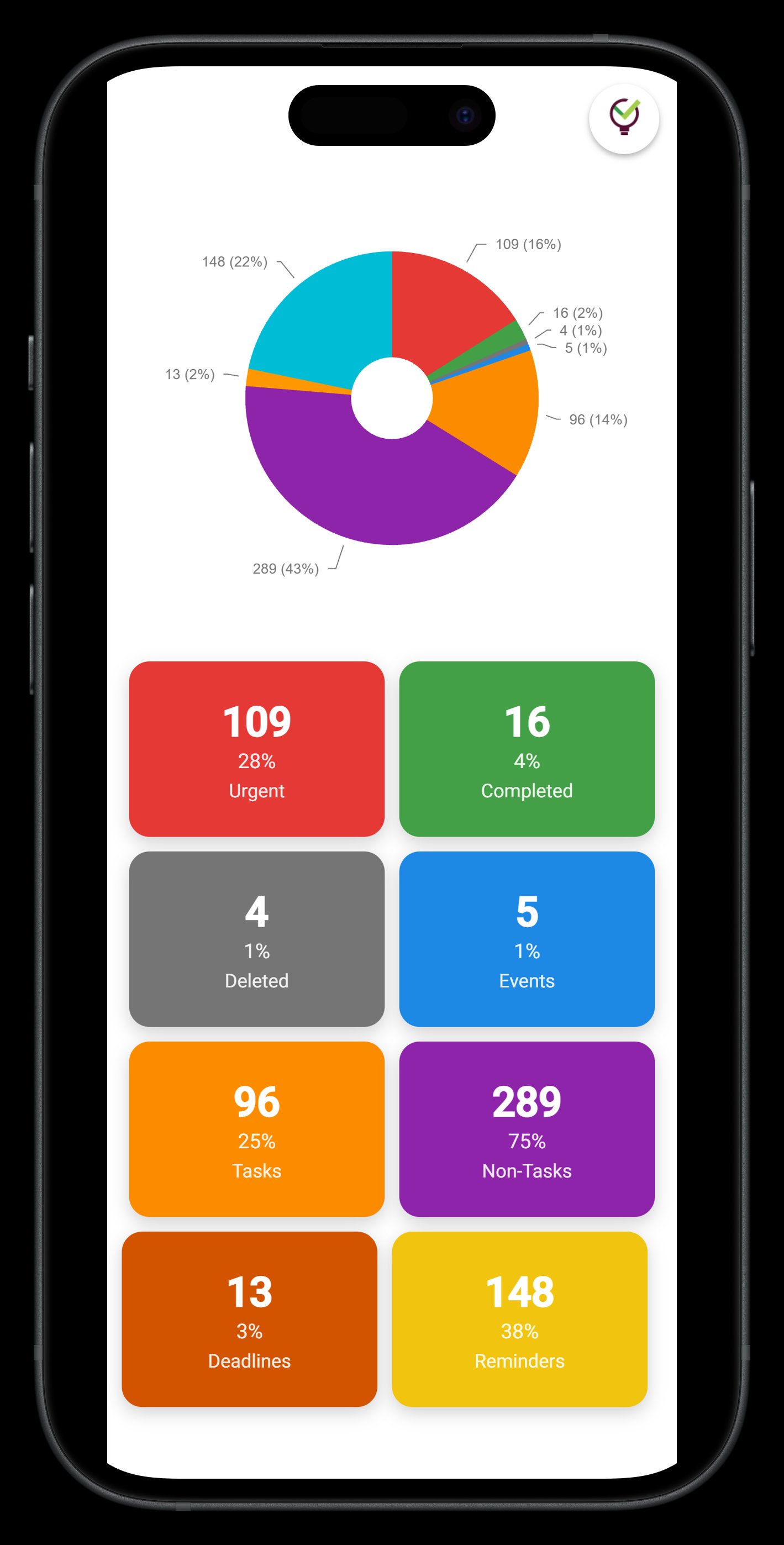
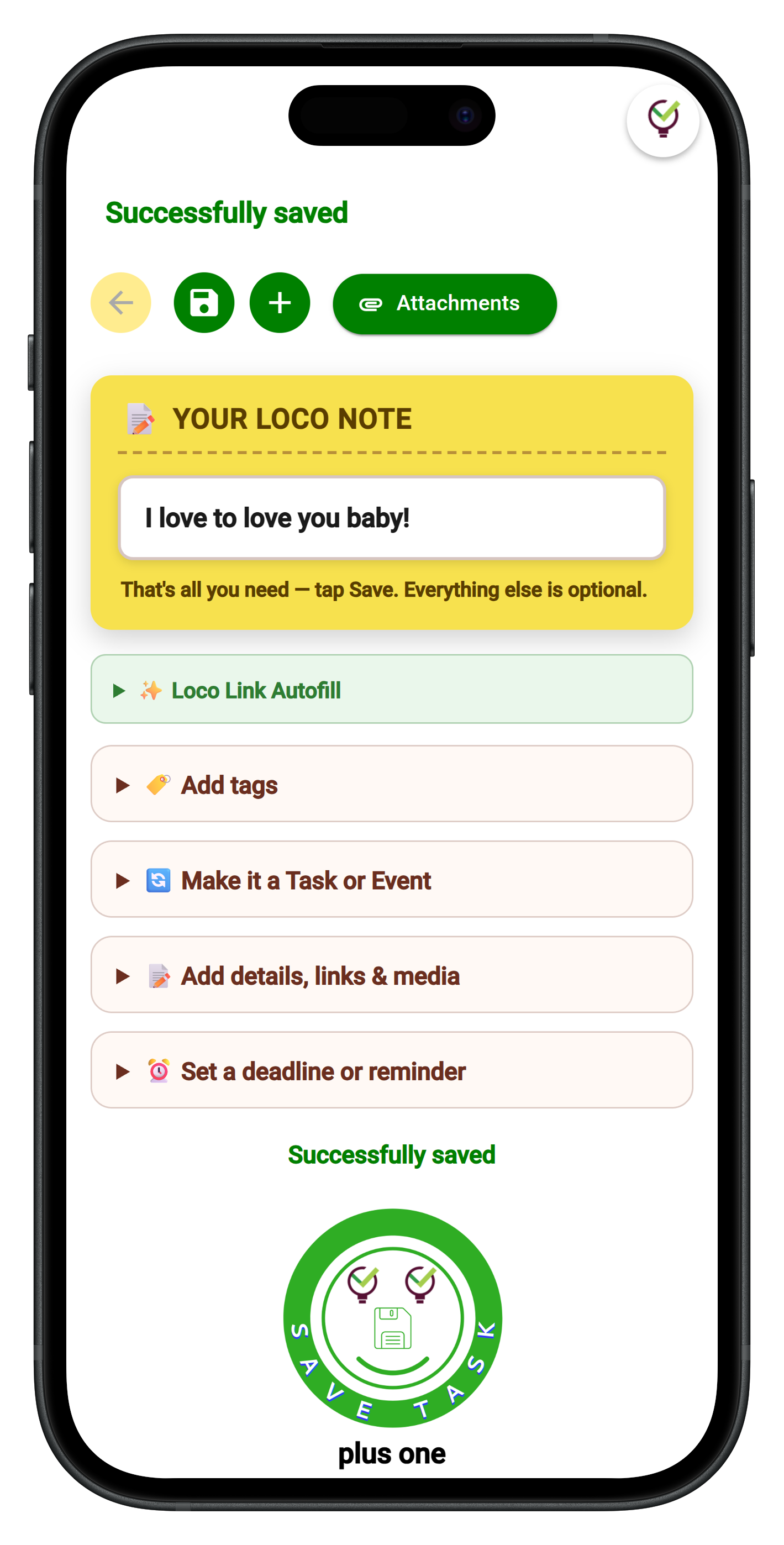
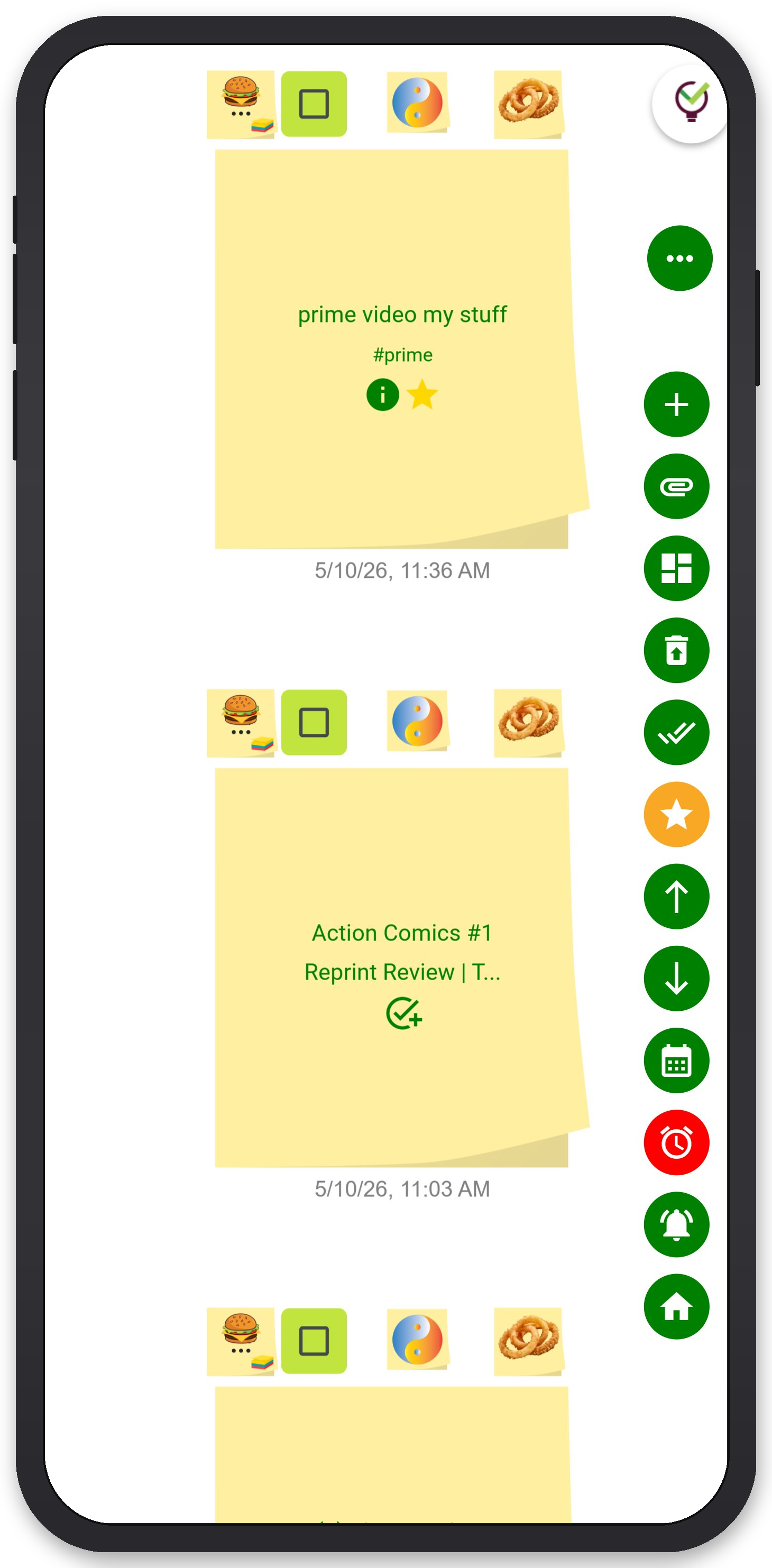
TaskLoco eliminates board fatigue by treating tasks as notes instead of cards on a board. You create a note, add what needs doing, set a reminder if needed, and get back to work. No columns to navigate, no status decisions to make, no cards to drag around.
Instead of scanning across multiple columns, you see a clean list of your notes. Instead of deciding which status bucket fits, you simply write what you need to remember. Instead of dragging cards between columns, you check items off when they're complete.
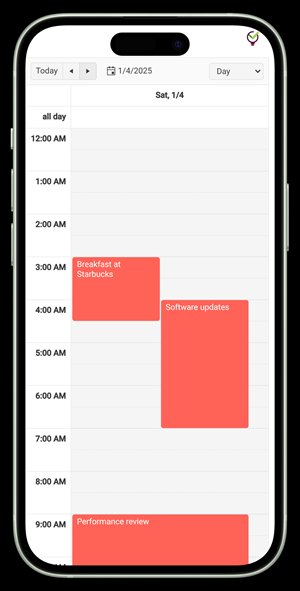
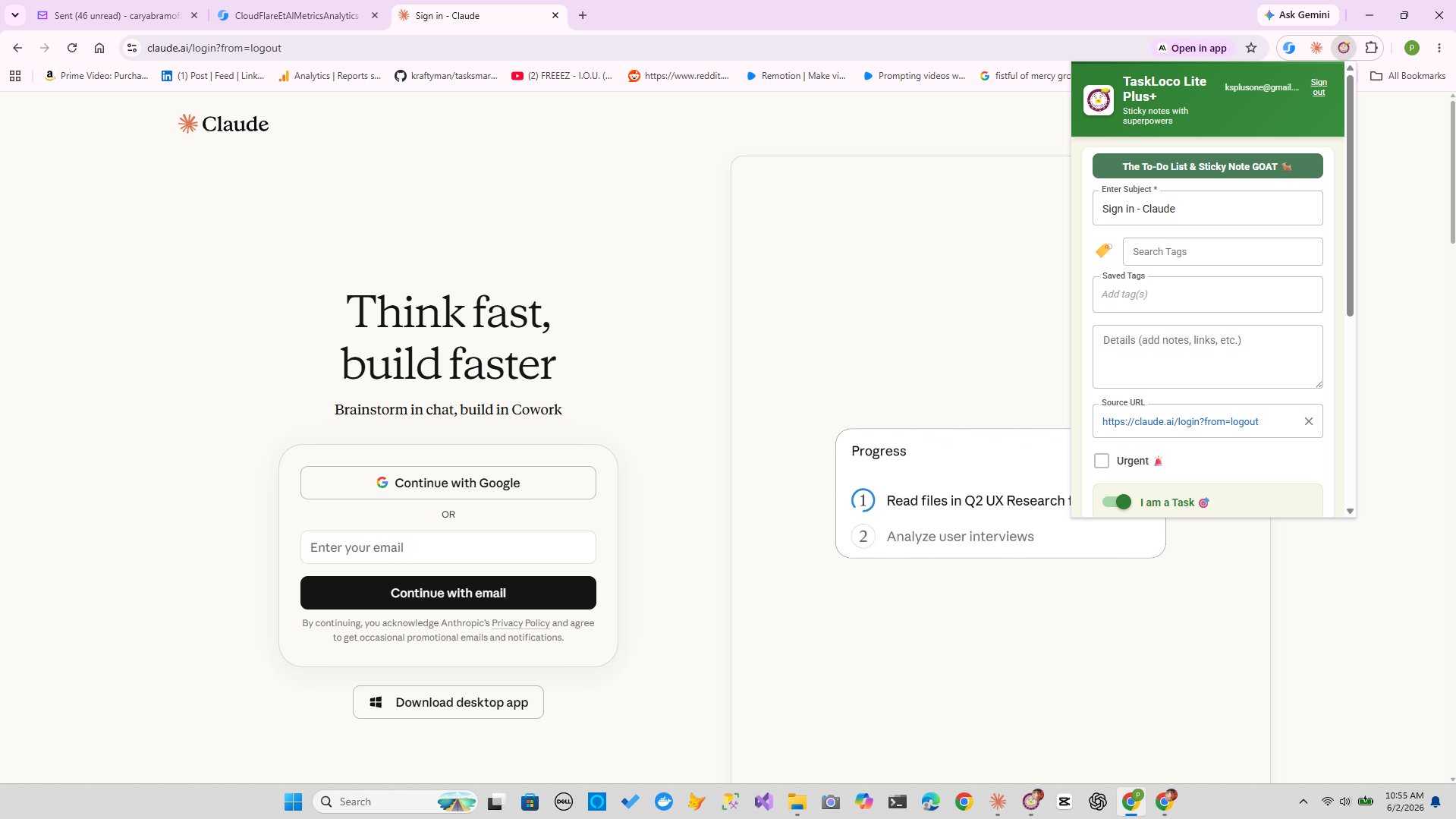
The Chrome extension captures tasks from any webpage in one click — no board navigation required. Reminders ping your phone and computer when things need attention, eliminating the need to constantly check board status.
TaskLoco Premium is regularly $9.99/month per person. Right now, charter members can lock in 50% off the regular price — forever. That means $4.99/month per person today. And if our price ever goes up, you still pay half. Always.
Code CHARTER50 auto-applies at checkout. First 500 spots only — once they're gone, this offer is gone permanently. Act fast while spots last.
Every Premium subscription includes unlimited notes, 10GB file storage, reminders, calendar, and team sharing. Each team member requires a separate subscription. 7-day free trial — no charge until day 8. Cancel anytime.
Free Options: TaskLoco
TaskLoco Lite
- Native iPhone & Android app
- Completely anonymous — no sign-in
- Data stays on your device
- Up to 20 notes
- Free forever
TaskLoco Lite Plus+
- Web app + Chrome extension
- Sign in with Google
- Wall syncs across all devices
- Up to 30 notes
- Free forever
Lock In 50% Off — Forever
7-day free trial. No charge until day 8. CHARTER50 auto-applies at checkout.
🔒 Lock In My Charter SpotSee TaskLoco in Action
Frequently Asked Questions
What is Kanban board fatigue?
Board fatigue is the mental exhaustion that comes from constantly scanning multiple columns, making status decisions, and managing card positions instead of focusing on actual work completion.
Why do Kanban boards feel overwhelming?
Kanban boards scatter information across multiple columns, forcing your brain to visually scan and rebuild mental maps repeatedly. This consumes cognitive energy before you even start working on tasks.
How do status updates create decision fatigue?
Every time you move a card between columns, you're making a micro-decision about categorization. These small choices accumulate throughout the day, depleting mental energy that could be used for actual work.
Is drag-and-drop really that disruptive?
Yes, drag-and-drop interactions interrupt flow states by forcing you to switch from work mode to board management mode. The physical manipulation also creates false progress feelings that can become addictive.
What's a good alternative to Kanban boards?
Simple note-based systems like TaskLoco eliminate column scanning, status decisions, and card manipulation. You focus on writing what needs doing and getting reminders when needed. $9.99/month per person (currently $4.99/month per person for first 500 charter members with code CHARTER50)
Can Kanban boards work for anyone?
Kanban works well for teams managing complex workflows with clear handoffs between people. But for individual task management or simple team coordination, simpler approaches often prove more effective.
How can I reduce board fatigue?
Limit board columns to essential states only, batch status updates instead of updating constantly, and consider switching to simpler list-based or note-based task management for individual work.
Born in Brooklyn. Powered by AWS. Your data stays yours.
TaskLoco is available on iPhone, Android, Chrome, and every web browser.