January rolls around, and millions of people set ambitious habit goals. Hit the gym daily. Read for an hour. Meditate every morning. By February, 80% have already quit. The gyms empty out, the books gather dust, and the meditation apps send increasingly desperate notifications.
The problem isn't willpower — it's that most people build habits like they're planning a moon mission when they should be building them like they're learning to walk. Here's why your habit goals keep failing and the dead-simple system that actually works.
TaskLoco Premium is regularly $9.99/month per person. Right now, charter members can lock in 50% off the regular price — forever. That means $4.99/month per person today. And if our price ever goes up, you still pay half. Always.
Code CHARTER50 auto-applies at checkout. First 500 spots only — once they're gone, this offer is gone permanently. Act fast while spots last.
Every Premium subscription includes unlimited notes, 10GB file storage, reminders, calendar, and team sharing. Each team member requires a separate subscription. 7-day free trial — no charge until day 8. Cancel anytime.
Free Options: TaskLoco
TaskLoco Lite
- Native iPhone & Android app
- Completely anonymous — no sign-in
- Data stays on your device
- Up to 20 notes
- Free forever
TaskLoco Lite Plus+
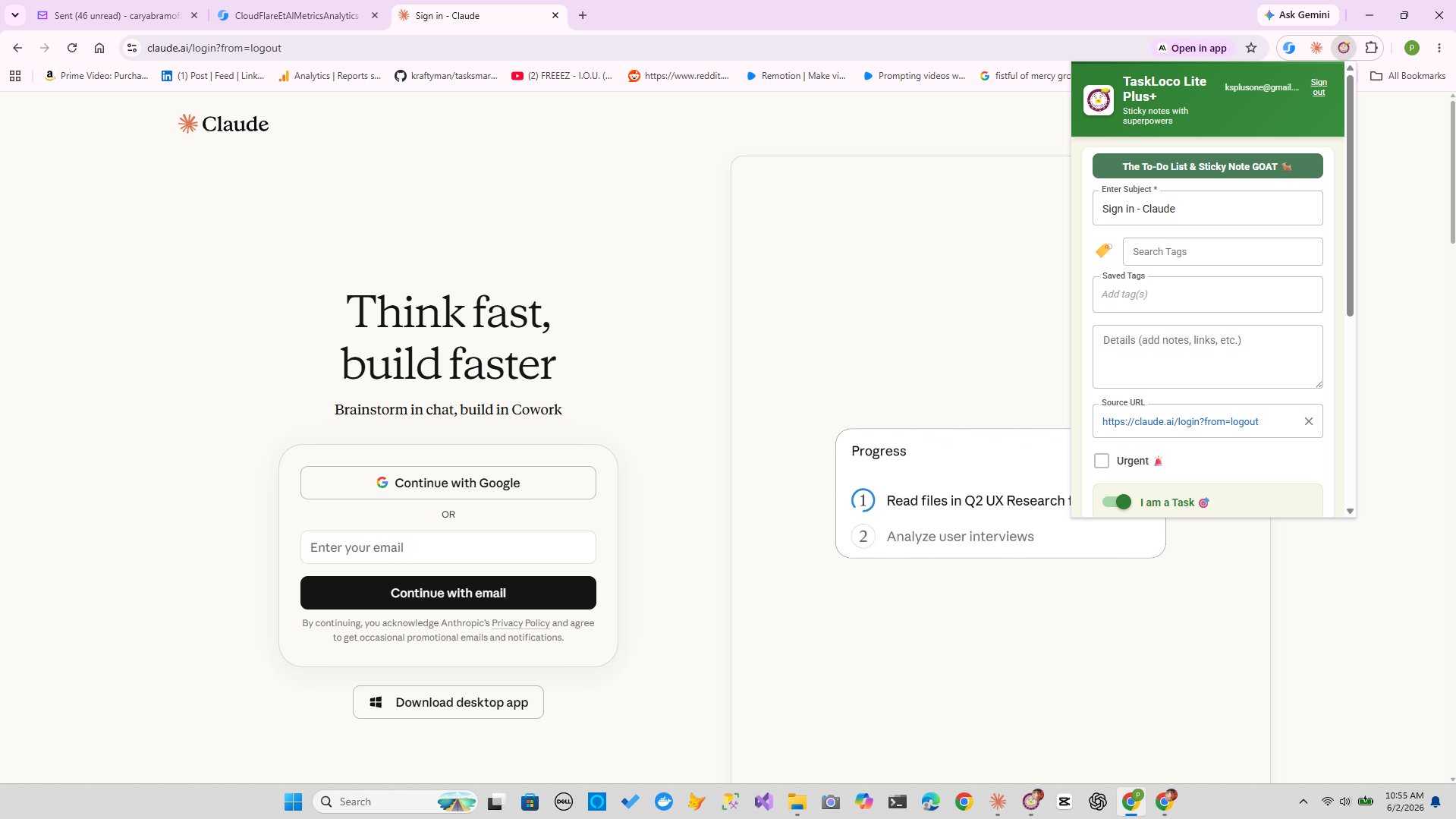
- Web app + Chrome extension
- Sign in with Google
- Wall syncs across all devices
- Up to 30 notes
- Free forever
The Real Reason Your Habits Die
Most habit advice gets it backwards. It focuses on motivation, discipline, and "just stick with it." But habits aren't about willpower — they're about design.
The biggest mistake people make is going too big, too fast. Want to read more? They commit to an hour a day. Want to get fit? They plan to hit the gym six days a week. Want to eat better? They overhaul their entire diet overnight.
This approach crashes for three reasons:
- Your brain fights massive changes — it sees them as threats to your routine
- You have limited willpower — it depletes throughout the day like a phone battery
- Life gets in the way — one missed day becomes a week, then abandonment
This is where most habit tracking falls apart too. People use complex apps with streaks, points, and gamification. But when life gets busy, the last thing you want is another chore. Your habit tracker should make things easier, not add friction.
The Tiny Habits Method That Actually Works
The fix is counterintuitive: start absurdly small. Not "read 30 minutes a day" — read one page. Not "do 50 pushups" — do one pushup. Not "meditate 20 minutes" — take three deep breaths.
This isn't about staying small forever. It's about building the neural pathway first. Once the behavior becomes automatic (usually 2-8 weeks), you can naturally expand it.
Here's the system that works:
- Anchor your habit to something you already do (after I pour coffee, I read one page)
- Start tiny — make it so small that skipping feels harder than doing
- Track simply — just mark it done, no elaborate tracking
- Celebrate immediately — your brain needs instant reward
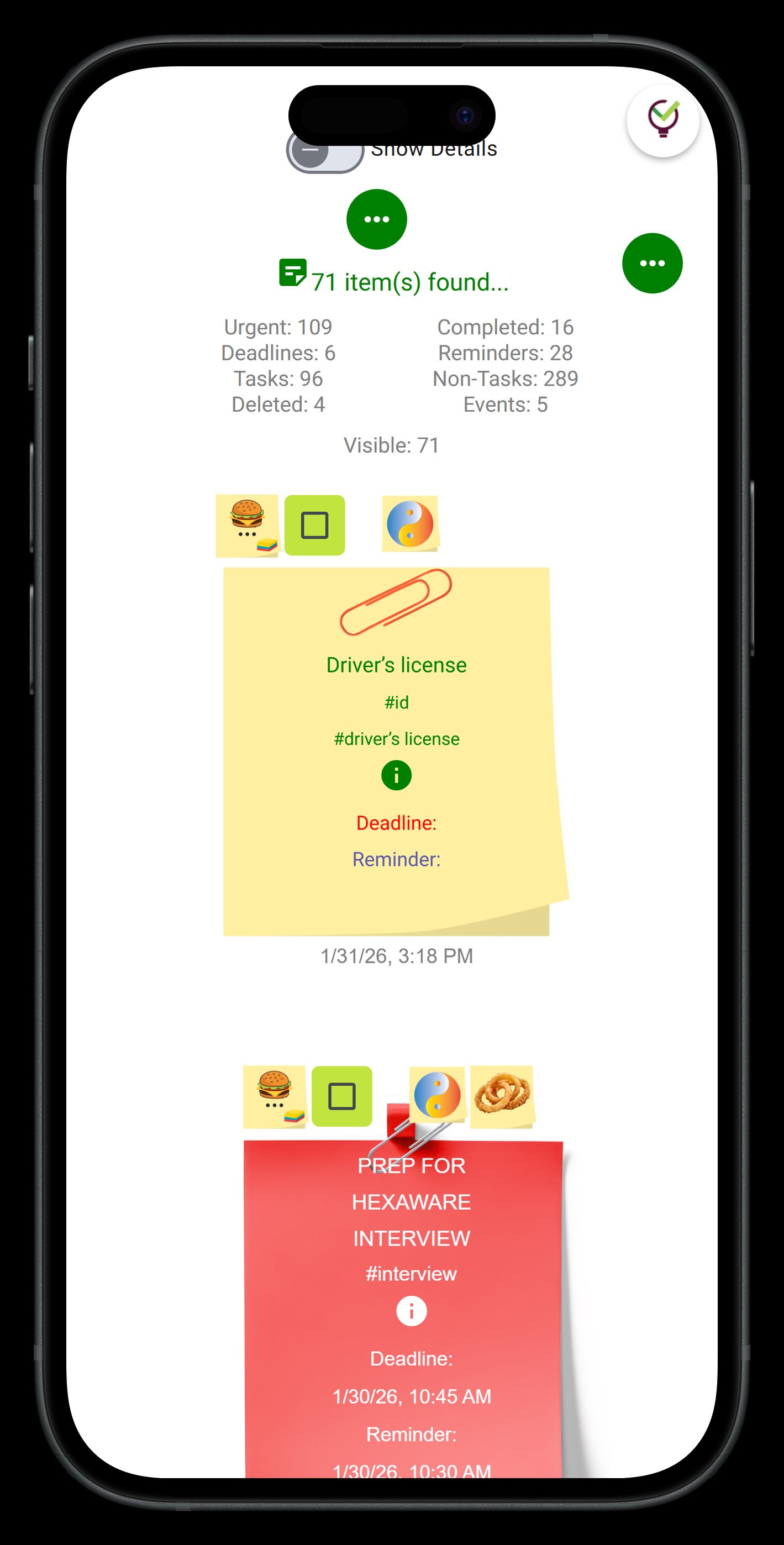
Visibility is crucial too. Your habits need to be in your face, not buried in some app you forget to open. The best habit reminders are the ones you can't avoid.
Why Most Habit Apps Make Things Worse
Popular habit apps love complexity. They want you to log mood, energy levels, location, and weather. They give you streaks, badges, and social features. But research shows that overcomplicating habit tracking backfires.
The problems with complex habit trackers:
- Too much friction — opening the app, finding your habit, logging details becomes a chore
- All-or-nothing mentality — miss one day and the streak pressure makes you quit entirely
- Data overwhelm — charts and analytics that nobody actually uses
- Notification fatigue — constant pings that you learn to ignore
The best habit tracking system is the one you'll actually use every day without thinking about it. It should take seconds, not minutes. It should work even when you're traveling, stressed, or busy.
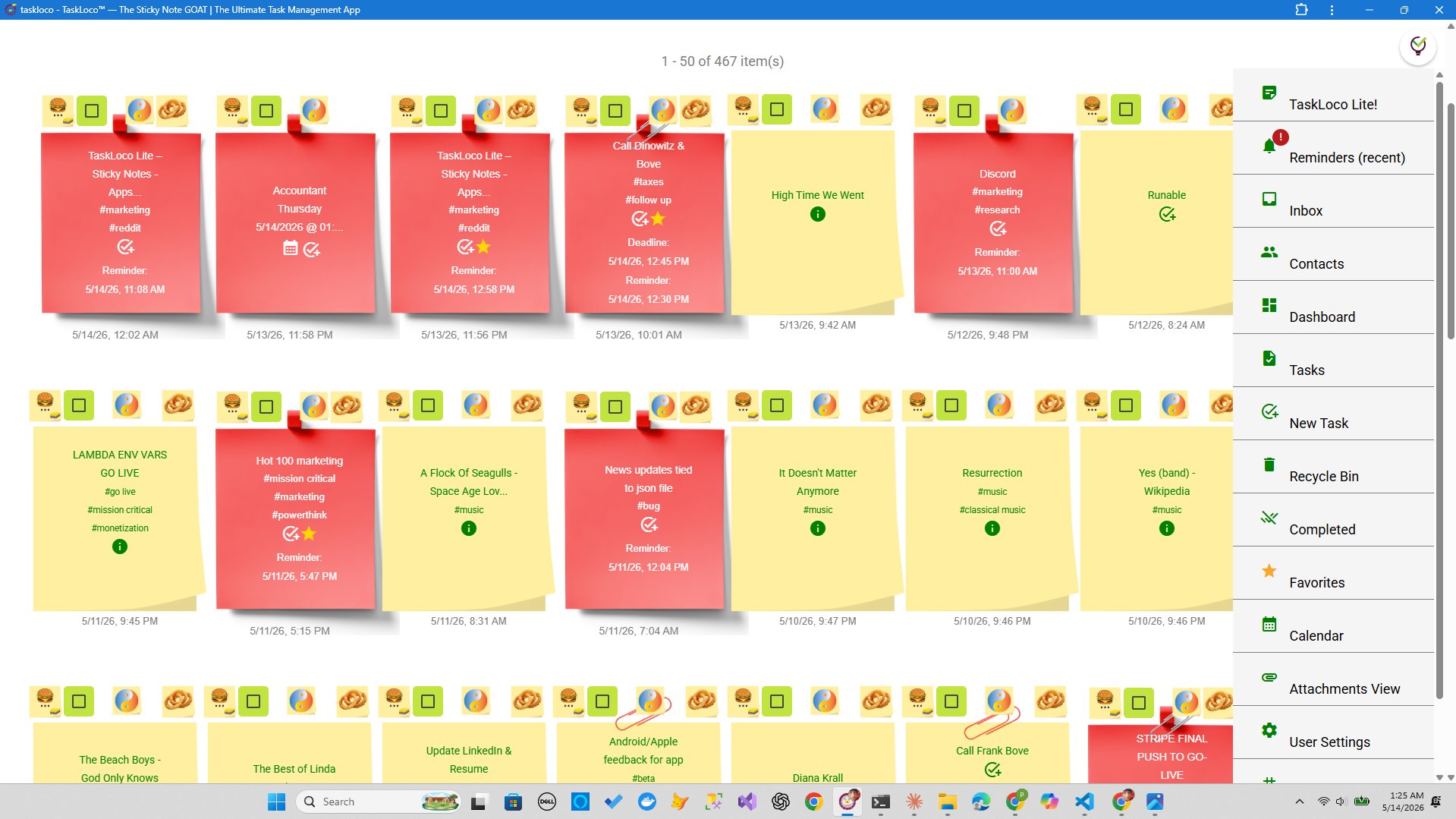
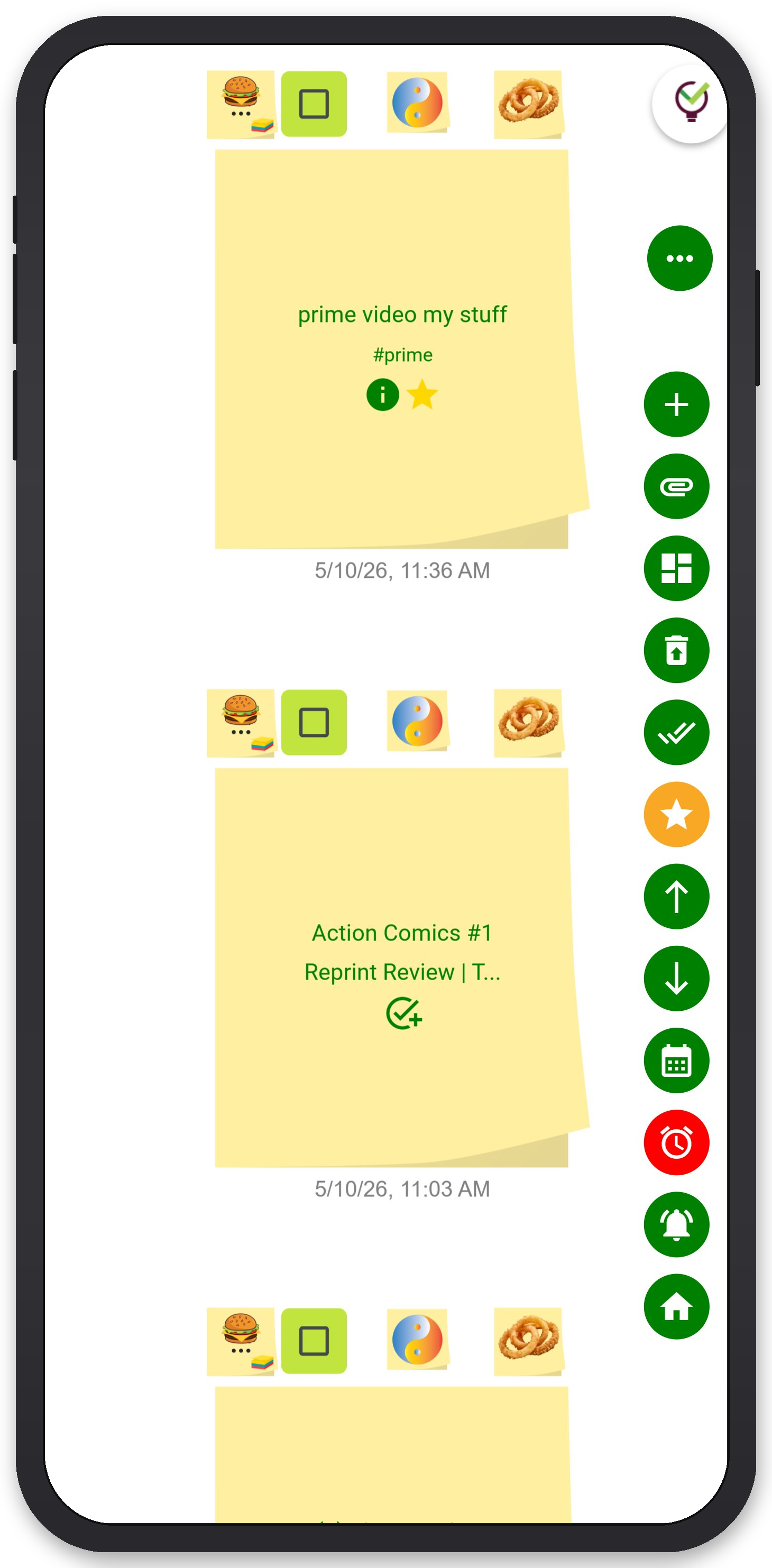
This is why sticky notes work so well for habits. You see them constantly, they're impossible to ignore, and marking something done takes zero effort. Digital sticky notes combine this simplicity with the convenience of your phone.
Building Your Personal Habit System
The most successful people don't rely on motivation — they build systems that make good choices automatic. Your habit system should work even on your worst days.
Start with these three simple rules:
- One habit at a time — master one before adding another
- Link to existing routines — after I do X, I do my new habit
- Make it visible — put reminders where you can't miss them
Use the two-minute rule: if your habit takes longer than two minutes, break it down until it doesn't. Want to run a marathon? Start with putting on running shoes. Want to write a book? Start with writing one sentence.
Track your habits somewhere you'll see them constantly. Your phone's home screen, sticky notes on your bathroom mirror, or a simple note-taking app that syncs everywhere. The key is reducing friction to absolute zero.
$9.99/month per person (currently $4.99/month per person for first 500 charter members with code CHARTER50)
The Honest Comparison
| Feature | TaskLoco | Competitor |
|---|---|---|
| Starting size | Ridiculously small — one pushup, one page, three breaths FREE | Ambitious goals — 30 minutes, daily workouts, major changes |
| Tracking complexity | Simple checkmark — done or not done | Detailed logging — mood, energy, location, weather |
| Reminder visibility | Always visible notes and reminders | Buried in apps you forget to open |
| Failure recovery | Miss a day, continue tomorrow — no streak pressure FREE | Broken streaks create guilt and abandonment |
| Habit stacking | Easy to link new habits to existing routines FREE | Focus on willpower instead of systematic anchoring |
| Friction level | Zero friction — quick tap to mark done | High friction — complex logging and data entry |
| Progress measurement | Simple consistency tracking over time | Complex analytics that overwhelm and distract |
| Multiple habits | Build one at a time for maximum success FREE | Encourages tracking many habits simultaneously |
| Bad day handling | System works even when you're stressed or busy FREE | Requires motivation and mental energy to maintain |
| Habit anchoring | Link new habits to existing daily routines FREE | Relies on remembering instead of systematic triggers |
| Celebration system | Built-in satisfaction from marking tasks complete FREE | External rewards that don't build intrinsic motivation |
| Expansion strategy | Natural growth after habits become automatic FREE | Starts big and overwhelms your willpower |
| Mobile access | Quick access on any device for instant tracking | Complex apps that slow you down |
| Travel compatibility | Habits designed to work anywhere, anytime FREE | Location or equipment dependent habits that break |
| Long-term success | Focus on building neural pathways that stick FREE | Short-term motivation that fades quickly |
Who Should Use Each
Use TaskLoco if…
- You want to build lasting habits without complex tracking systems
- You need reminders and notes that work across all your devices
- You prefer simple, friction-free habit tracking over gamification
- You want to focus on consistency over perfection
- You need a system that works even on busy or stressful days
Use Other Apps if…
- You enjoy detailed analytics and complex progress tracking
- You prefer gamification with streaks, badges, and social features
- You want to track multiple detailed metrics for each habit
- You have unlimited time to spend on habit maintenance
Lock In 50% Off — Forever
7-day free trial. No charge until day 8. CHARTER50 auto-applies at checkout.
🔒 Lock In My Charter SpotSee TaskLoco in Action
Frequently Asked Questions
How long does it take to build a new habit?
Research shows it takes 18-254 days for a behavior to become automatic, with an average of 66 days. But starting tiny makes this process much faster and more reliable than trying to change everything at once.
Should I track multiple habits at the same time?
No. Focus on building one habit at a time for maximum success. Once it becomes automatic (usually 2-8 weeks), then add another. Your brain can only handle so much change at once.
What if I miss a day with my new habit?
Missing one day doesn't matter — just get back on track the next day. The key is not letting one missed day turn into a week. Consistency over perfection always wins.
How do I remember to do my new habit?
Anchor it to something you already do reliably. 'After I pour my morning coffee, I read one page.' This creates an automatic trigger that doesn't rely on willpower or memory.
Why do tiny habits work better than big changes?
Tiny habits bypass your brain's resistance to change. They're so small that skipping them feels harder than doing them. Once the neural pathway is built, expanding becomes natural.
Can TaskLoco help me build better habits?
TaskLoco makes habit tracking simple with visible reminders and quick completion tracking. $9.99/month per person (currently $4.99/month per person for first 500 charter members with code CHARTER50)
What's the best way to track habit progress?
Keep it simple — just mark done or not done. Complex tracking creates friction that makes you quit. The best habit tracker is the one you'll actually use every single day.
Born in Brooklyn. Powered by AWS. Your data stays yours.
TaskLoco is available on iPhone, Android, Chrome, and every web browser.