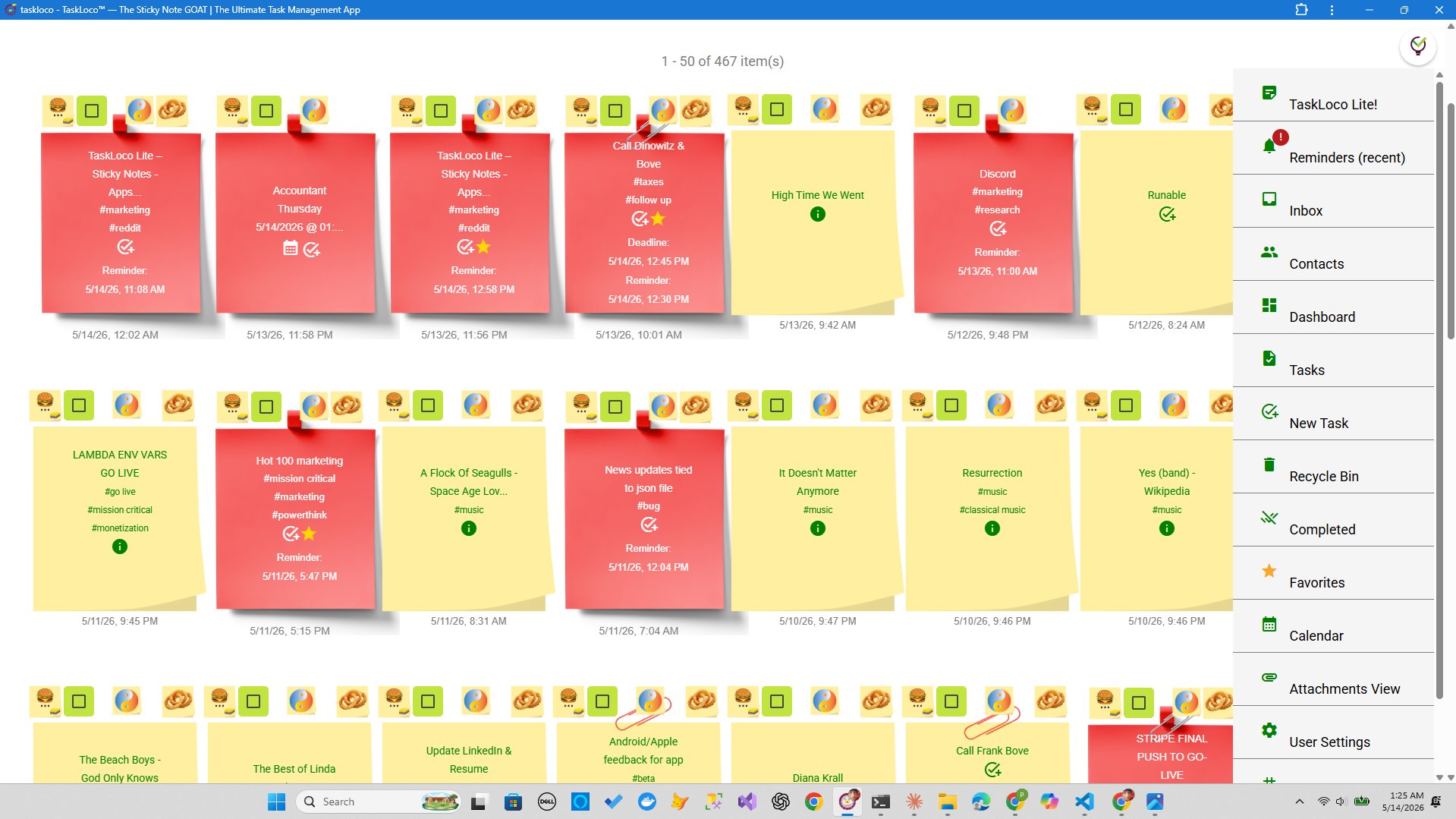
You've probably started fresh with a task manager at least twice. Maybe three times. You spent an afternoon setting up projects, color-coding priorities, building the perfect workflow — and six weeks later the whole thing was a ghost town, while your real work had drifted back to a notes app or a napkin. This isn't a discipline problem. It's a design problem.
The pattern is consistent enough that productivity researchers have a name for it: system overhead collapse. The moment maintaining your system costs more time than the system saves, the brain quietly decides to stop. No dramatic quitting — just gradual ghosting. Understanding exactly why this happens is the first step to building something that actually lasts.
The Real Reason You Quit: Friction Is Cumulative
No one quits a task manager because of one bad day. They quit because of a thousand tiny moments of friction that stack up invisibly. You open the app to log a quick thought and spend two minutes deciding which project it belongs to, whether to set a due date, which priority level it deserves, and whether it needs a subtask. By the time you've answered all those questions, the original thought feels like it cost you something. Over time, your brain learns: opening the app means work. So it stops opening the app.
The friction doesn't even have to be large. Studies on habit formation consistently show that reducing friction by even a few seconds dramatically increases follow-through. A capture flow that takes 8 seconds will get used. A capture flow that takes 45 seconds and requires three decisions will get abandoned — regardless of how powerful the tool is underneath.
This is why so many enterprise tools that are genuinely impressive on paper have abysmal daily active usage numbers. The feature set is not the product. The daily interaction cost is the product. Power users love complex systems; everyone else abandons them by week three.
The Five Patterns That Kill Productivity Systems
After looking at why people abandon tools across dozens of forums, subreddits, and firsthand accounts, five patterns come up over and over. Each one is a design failure, not a user failure.
- Mandatory classification. Requiring a project, a label, and a priority before a task can be saved. If a task can't be captured in under ten seconds, it won't be captured at all.
- The weekly review trap. Systems that require a dedicated weekly review session to stay coherent are systems that fall apart the first week you skip that session. Good systems are resilient to inconsistency, not dependent on it.
- Too many views, too few defaults. If every time you open the app you have to decide whether to look at the board view, the list view, the timeline, or the calendar, you'll eventually stop deciding — and stop opening it.
- Inbox anxiety. A task manager that shows you everything at once, without intelligent filtering, creates a wall of overwhelm. The natural response is avoidance.
- Setup that never pays off. Many tools require substantial upfront configuration before they provide any value. People who haven't yet seen the payoff quit before reaching it. The best tools provide value on day one, before any customization.
None of these failures are the user's fault. They're the result of tools built to impress buyers in demos rather than to survive real daily use under cognitive load.
How to Build a System That Doesn't Collapse
You don't need a new app to fix this — you need a different philosophy applied to whatever system you use. Here's what durable systems have in common:
1. Capture first, organize later (or never). The capture step and the organization step should be completely separated. When something needs to be logged, you log it — no project assignment required, no priority, no due date unless you already know it. Triage can happen in a dedicated ten-minute session, not at the moment of capture.
2. One place for everything. The moment you have tasks in three different places — your email client, your notes app, and your actual task manager — the cognitive overhead of maintaining all three systems quietly destroys any efficiency you gained. Pick one place and enforce it.
3. Make the default view useful by default. You shouldn't have to customize heavily before the tool shows you something actionable. If the first screen you see when you open your system is a coherent, prioritized picture of your day, you'll keep opening it.
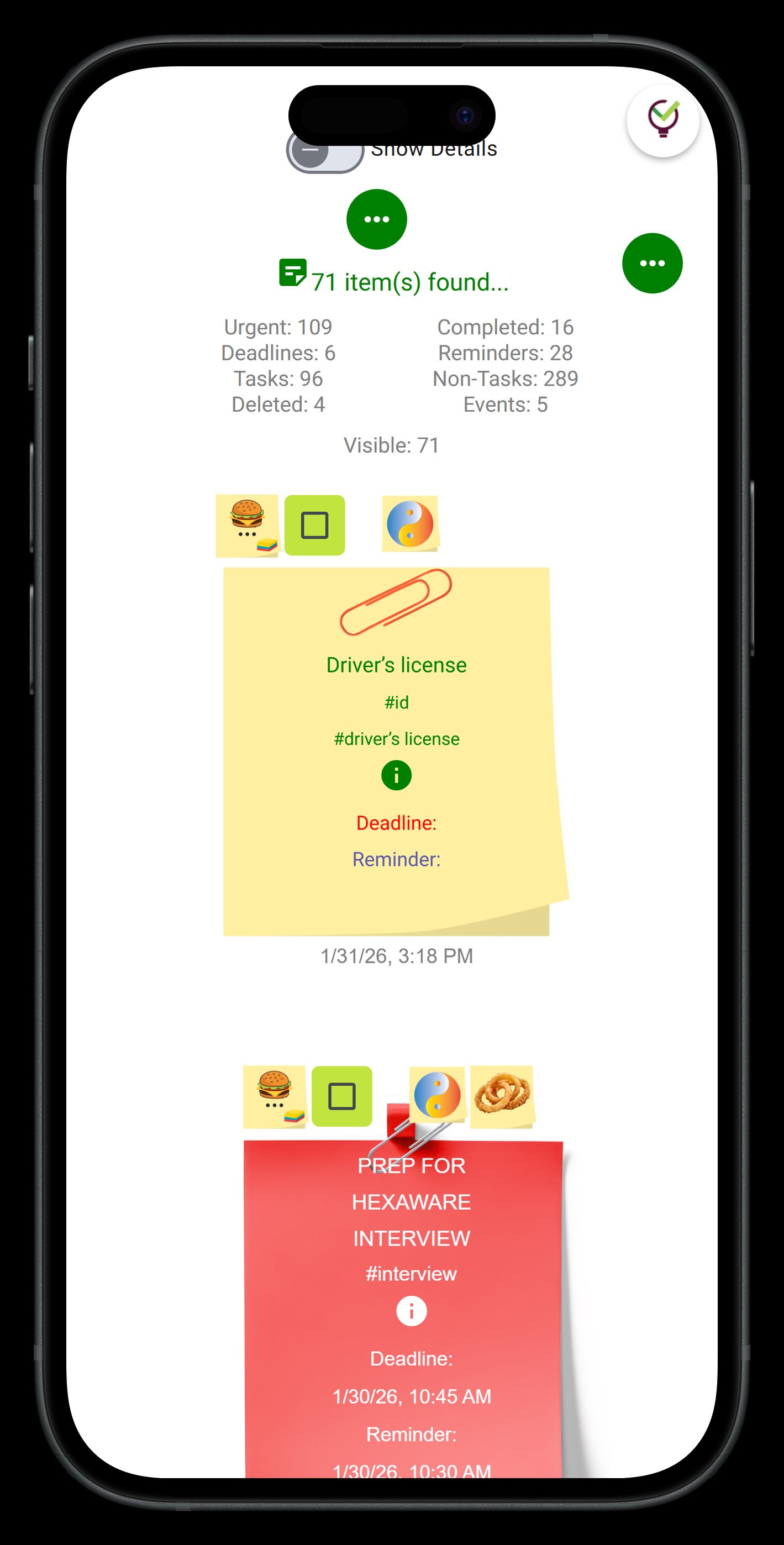
4. Build in a physical or visual reset. There's a reason physical sticky notes have survived every wave of digital productivity tools. The act of moving something, rewriting it, or throwing it away creates a tactile feedback loop that reinforces the sense of progress. Digital tools that mimic this — sticky note metaphors, drag-and-drop boards — tend to have better long-term retention than pure list interfaces.
5. Reduce the cost of falling off the wagon. Life happens. You'll miss days, skip weeks, come back to a mess. Systems that are hard to re-enter after a break get abandoned permanently. Systems where you can open the app after two weeks away and immediately understand what's there — those survive.
Where TaskLoco Fits Into This
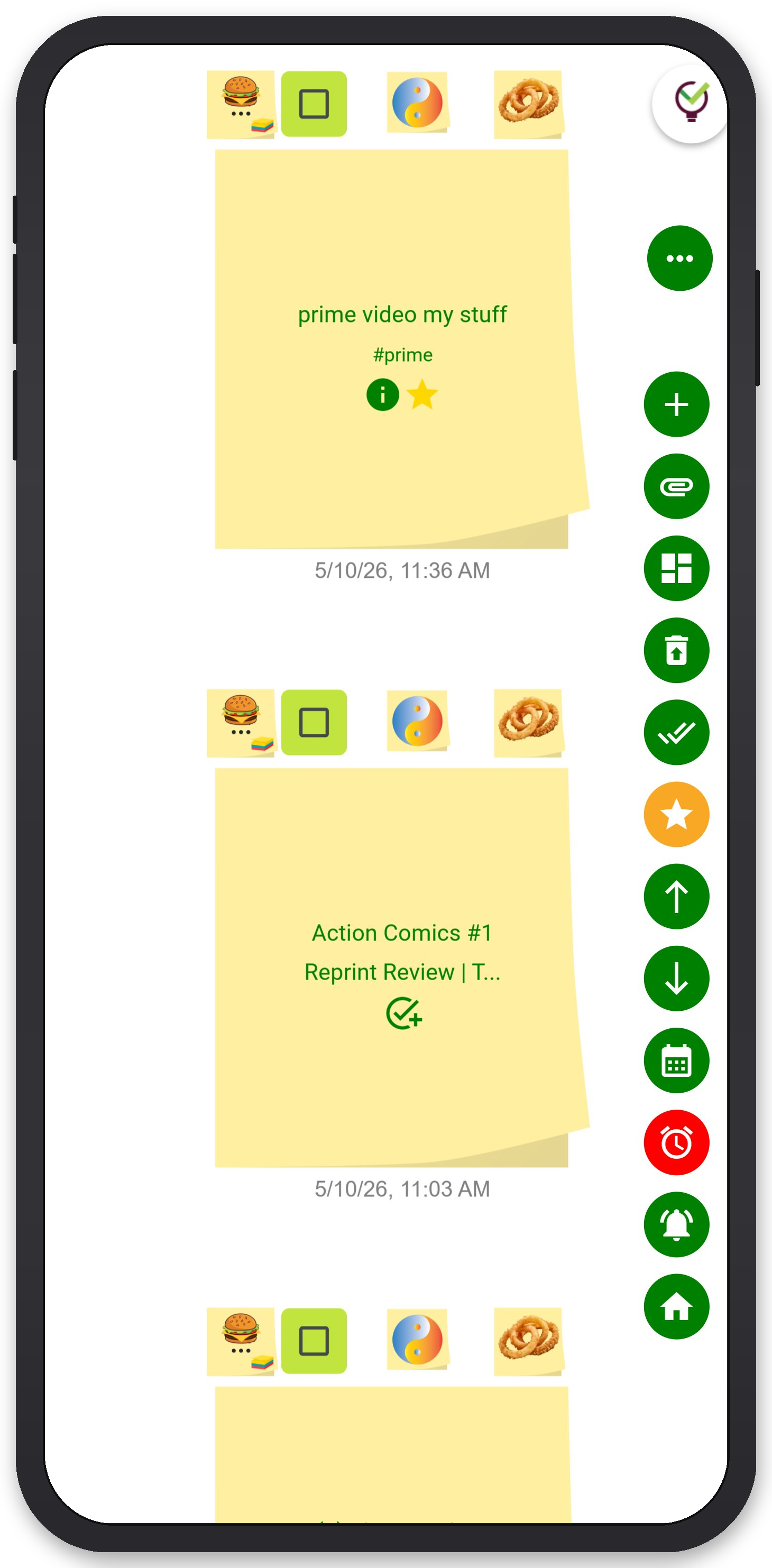
TaskLoco was built around the sticky note — which is not a nostalgic design choice. It's a deliberate response to everything described above. A sticky note has almost zero capture friction. There's no project to assign, no workflow to route it through. You write it, you put it somewhere you'll see it, and it sits there being useful until you don't need it anymore.
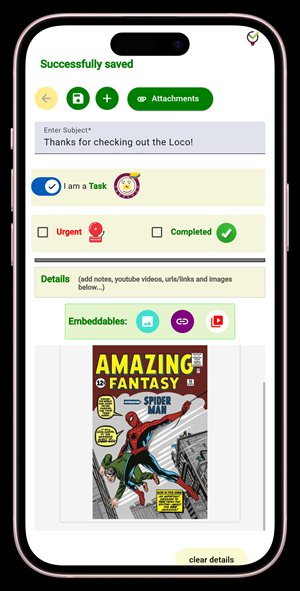
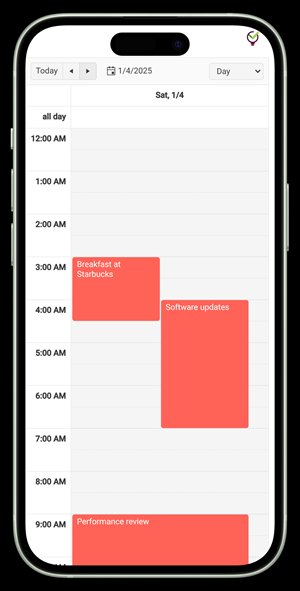
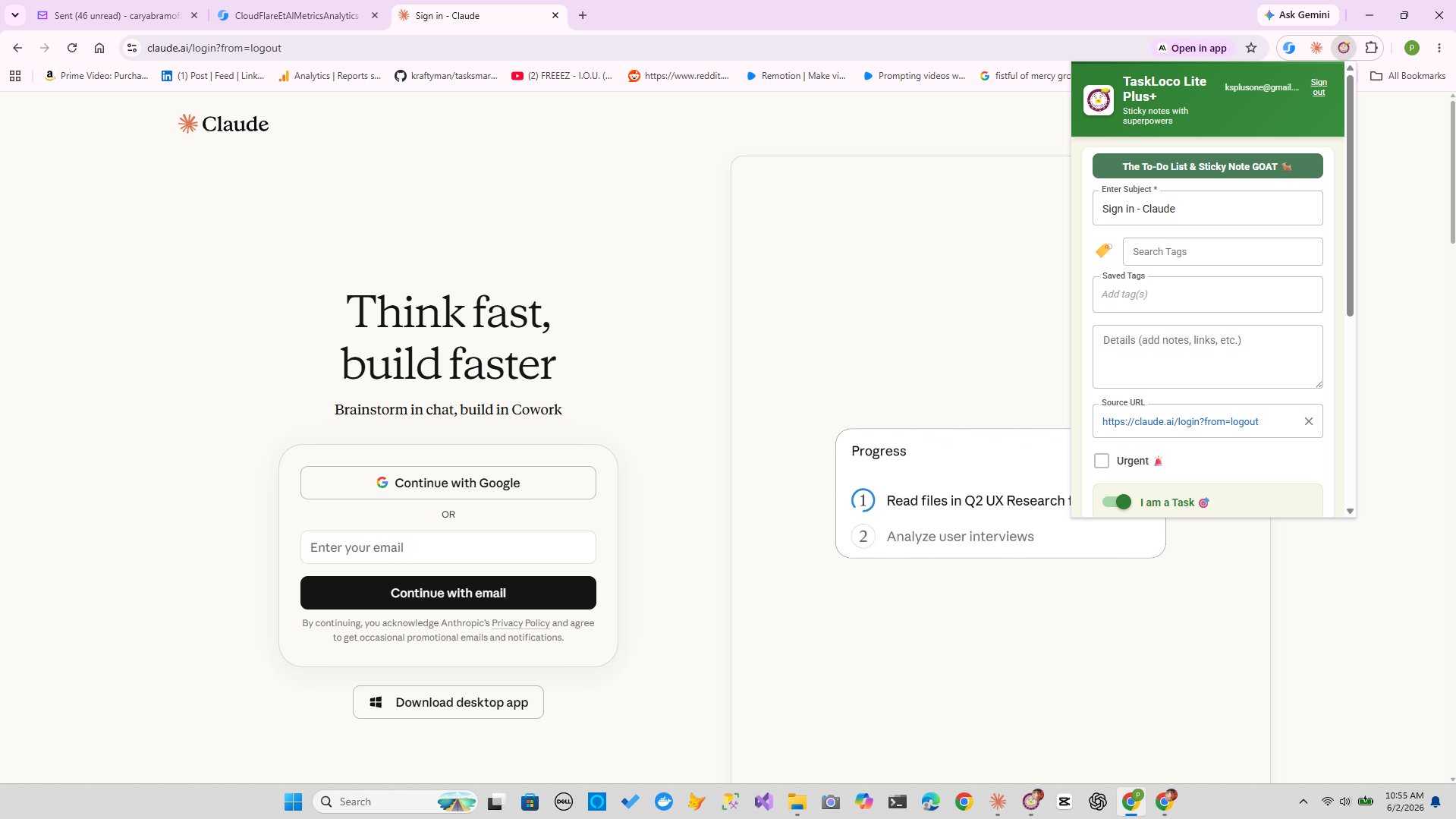
TaskLoco takes that same model and adds the things a physical note can't do: reminders that deep-link you directly back to the original note when they fire, file attachments so supporting context lives right where you need it, a calendar view for seeing time-sensitive items, and team sharing that works like email — recipients clone the note and make it their own, no permissions architecture to manage. The whole thing syncs across devices through the web app and Chrome extension, and the Chrome extension lets you capture any webpage into a note in one click.
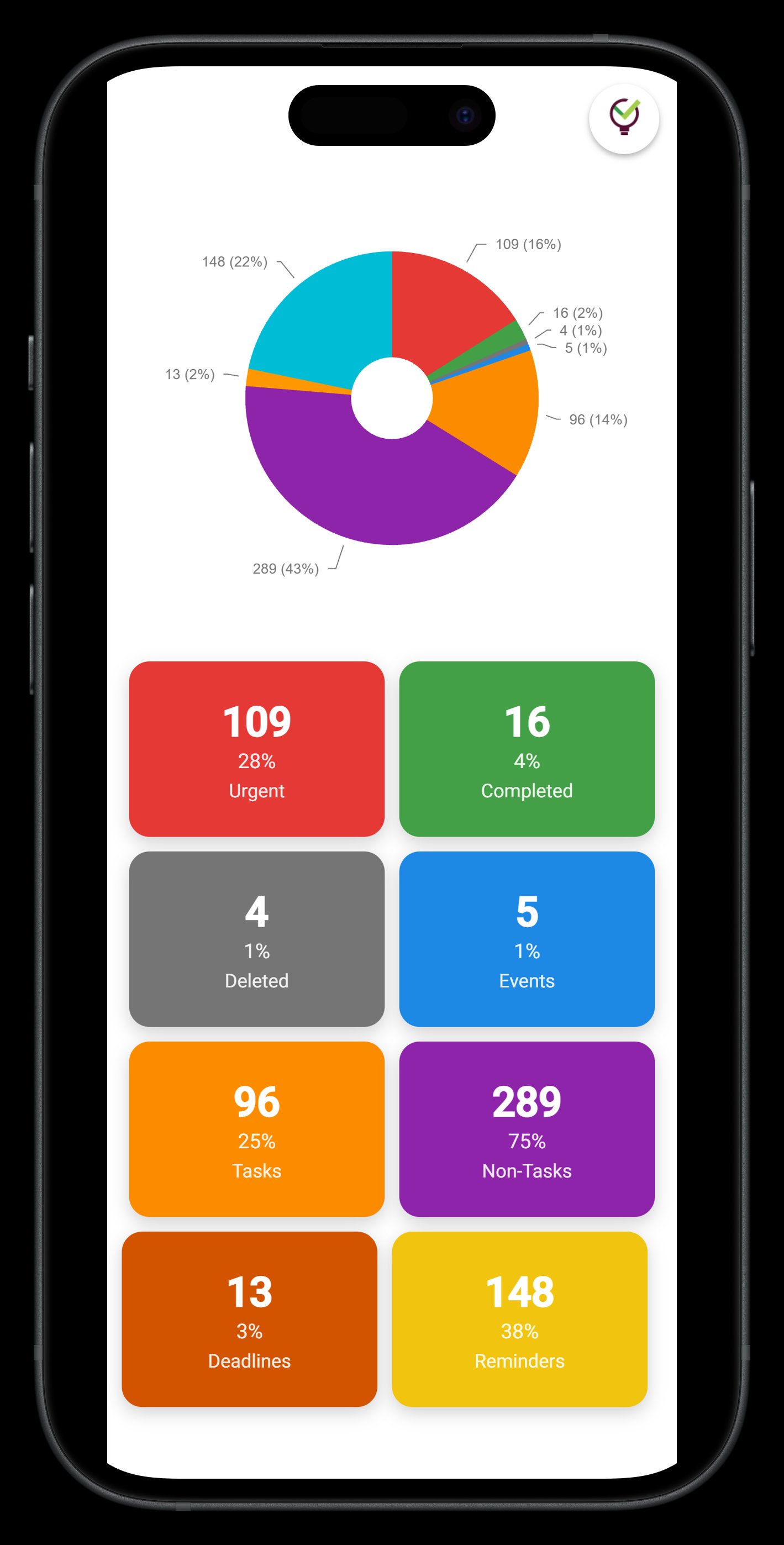
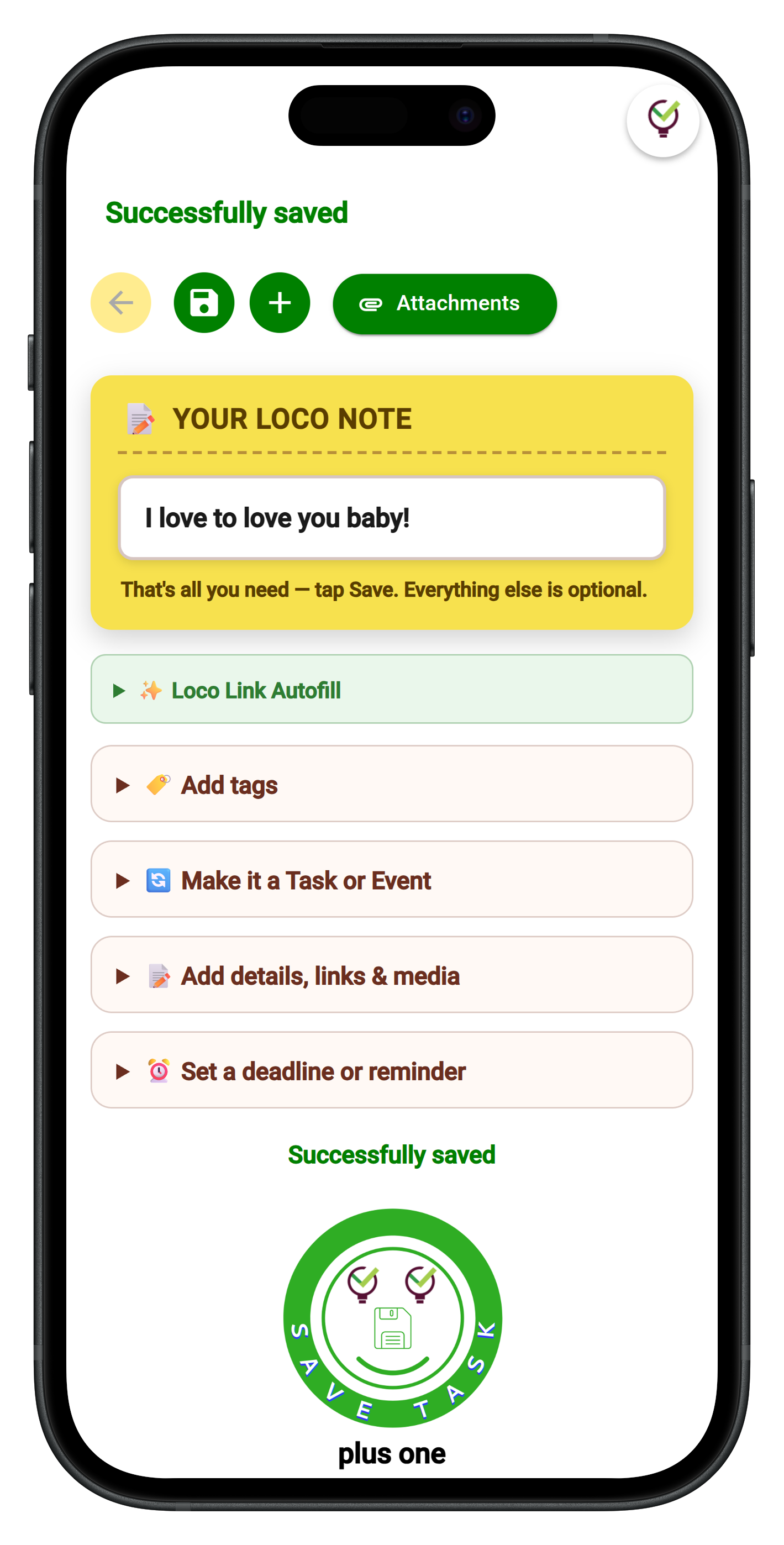
There's also a free native app — TaskLoco Lite — for iPhone and Android. It's fully anonymous, no account required, and stores up to 20 notes locally on your device. It's the lowest-friction starting point imaginable: download, open, write. It never syncs and has no reminders or attachments, but for pure frictionless capture it's hard to beat. When you're ready for reminders, file storage, team sharing, and unlimited notes, TaskLoco Premium handles all of it.
The point isn't that TaskLoco is the only tool that could work. The point is that the principles above — low capture friction, one place for everything, a useful default view, resilience to inconsistency — are baked into how it works. You're not fighting the tool to make it simple. Simple is what it starts as.
TaskLoco Premium is regularly $9.99/month per person. Right now, charter members can lock in 50% off the regular price — forever. That means $4.99/month per person today. And if our price ever goes up, you still pay half. Always.
Code CHARTER50 auto-applies at checkout. First 500 spots only — once they're gone, this offer is gone permanently. Act fast while spots last.
Every Premium subscription includes unlimited notes, 10GB file storage, reminders, calendar, and team sharing. Each team member requires a separate subscription. 7-day free trial — no charge until day 8. Cancel anytime.
Free Options: TaskLoco
TaskLoco Lite
- Native iPhone & Android app
- Completely anonymous — no sign-in
- Data stays on your device
- Up to 20 notes
- Free forever
TaskLoco Lite Plus+
- Web app + Chrome extension
- Sign in with Google
- Wall syncs across all devices
- Up to 30 notes
- Free forever
Lock In 50% Off — Forever
7-day free trial. No charge until day 8. CHARTER50 auto-applies at checkout.
🔒 Lock In My Charter SpotSee TaskLoco in Action
Frequently Asked Questions
Why do people abandon task managers so quickly?
The most common cause is friction accumulation. When the daily cost of maintaining a system — opening it, logging items, reorganizing it — exceeds the value it returns, the brain quietly stops engaging. This usually isn't one big moment of frustration; it's dozens of small friction points compounding over weeks until the habit collapses. The fix is usually radical simplification: fewer required fields, faster capture, and a default view that's immediately useful without configuration.
What makes a task manager actually stick?
Three things matter more than anything else: capture speed (logging a task must take under ten seconds), a single place for all tasks (not split across apps and emails), and resilience to inconsistency (the system should still make sense after you've ignored it for two weeks). Tools that fail on any of these criteria tend to get abandoned, regardless of how powerful their features are.
Is a simple sticky note system actually better than a complex project manager?
For most people managing personal and team work, yes — especially at the start. A simple system you actually use beats a sophisticated system you avoid. The sticky note model has survived every wave of productivity software because the capture and review cycle is almost frictionless. The goal isn't to find the most powerful tool; it's to find the tool with the best ratio of daily value to daily cost. For many people, that tilts toward simplicity.
How do I stop switching between productivity apps?
Commit to one place for all task capture and enforce it aggressively for at least 30 days. The biggest source of switching behavior is maintaining parallel systems — some tasks in email, some in a notes app, some in a task manager. The cognitive overhead of triaging across multiple systems is what drives people to try yet another app. Pick one home for everything, reduce the capture friction as much as possible, and give the habit time to form before evaluating whether it's working.
Do I need reminders in my task manager?
If your work involves time-sensitive deliverables or commitments to others, yes — reminders are close to essential. The key is that a useful reminder doesn't just ping you; it brings you directly to the relevant context so you can act immediately. TaskLoco Premium reminders fire as push notifications and deep-link directly back to the original note, so you land exactly where you need to be, not in a generic notification inbox with no context.
What's the best way to start with a new task manager without abandoning it again?
Start with the smallest possible scope. Don't migrate your entire backlog on day one — that's one of the fastest ways to feel overwhelmed before the habit has formed. Pick one area of your work (a current project, this week's tasks) and use the new system exclusively for that. Once the daily habit is established, expand. Also: choose a tool where the default experience is already useful, so you're not spending your first week on configuration before getting any value back.
How is TaskLoco different from other task managers?
TaskLoco is built around the sticky note metaphor, which keeps capture friction extremely low. There are no mandatory fields, no complex project hierarchies to maintain, and no configuration required before it's useful. The free native app (TaskLoco Lite) lets you start completely anonymously — no account, no sign-in, just open and write. Premium adds reminders with push notifications that deep-link back to the original note, file attachments, calendar view, and team sharing. $9.99/month per person (currently $4.99/month per person for first 500 charter members with code CHARTER50)
Born in Brooklyn. Powered by AWS. Your data stays yours.
TaskLoco is available on iPhone, Android, Chrome, and every web browser.