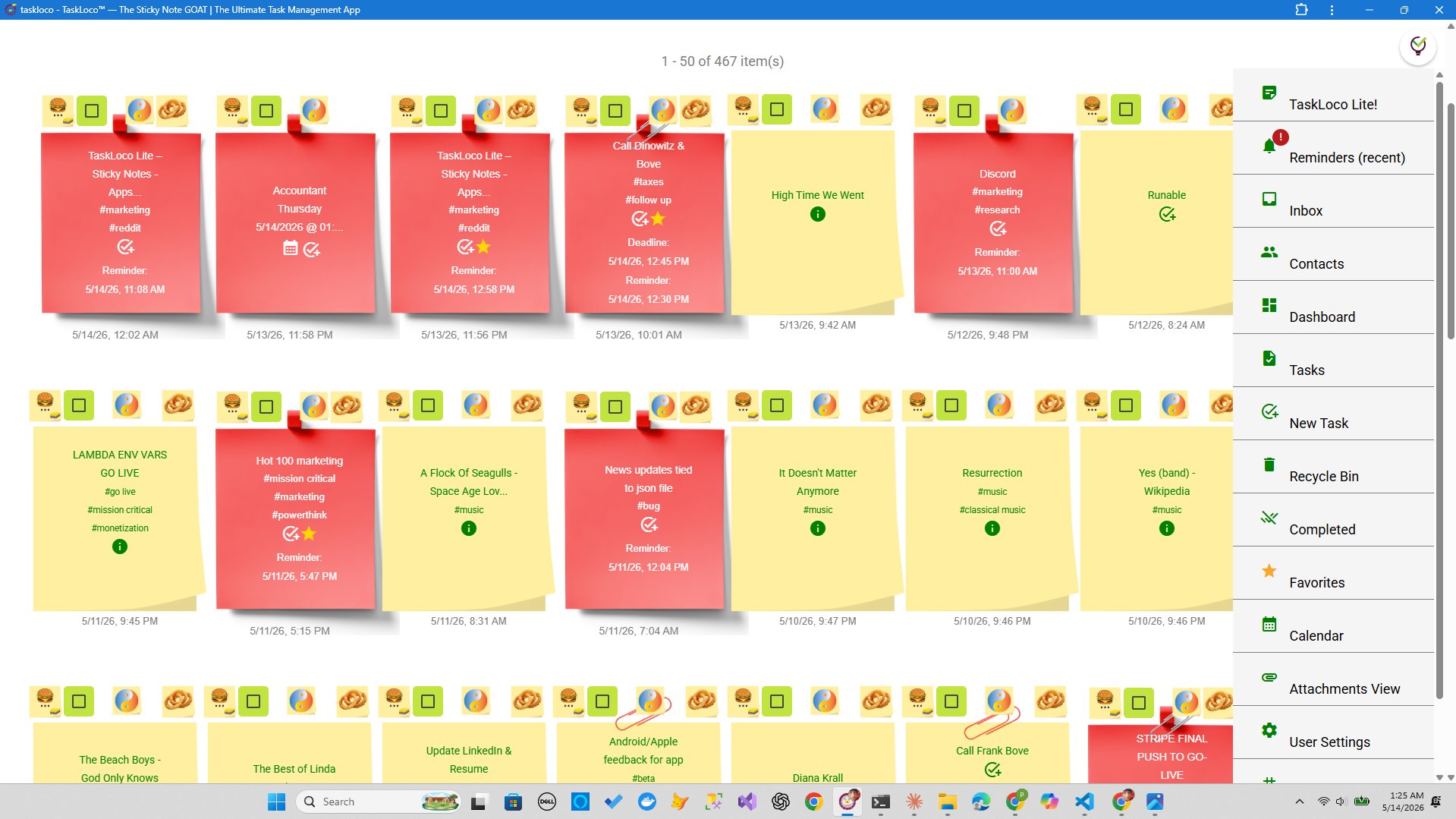
You write down 'call dentist' and somehow three weeks pass without making the appointment. You promise to email that client back and completely blank on it until they follow up. Sound familiar?
Task forgetting isn't a character flaw — it's how human memory works. Your brain evolved to focus on immediate survival, not remember to update your LinkedIn profile next Tuesday. Understanding why we forget is the first step to building systems that actually stick.
The Six Memory Traps That Kill Task Recall
Cognitive science reveals exactly why tasks slip through the cracks. Here are the six biggest memory saboteurs:
The Intention-Action Gap: Your brain treats 'I should do X' differently than 'I'm doing X right now.' Future intentions are stored in working memory, which has limited capacity and gets overwritten constantly.
Lack of Environmental Cues: You remember to buy milk because you see the empty carton. But abstract tasks like 'review budget' have no physical triggers to jog your memory.
Competing Priorities: When everything feels urgent, nothing gets the mental priority needed for recall. Your brain defaults to whatever screams loudest.
Context Switching: You think of the perfect follow-up email while driving, but by the time you're back at your computer, the moment — and the task — has vanished.
Overconfidence Bias: 'I'll definitely remember this' is the kiss of death. The more confident you feel about remembering, the less likely you are to create backup systems.
Temporal Discounting: Tasks due later feel less important than immediate concerns, even when they're objectively more critical to your goals.
How Your Brain Actually Handles Tasks
Your working memory can only juggle 4-7 items at once. Every new thought, interruption, or decision pushes something else out. It's not a filing cabinet — it's more like a crowded desk where papers keep falling off the edges.
Meanwhile, your brain's reward system prioritizes immediate payoffs over future benefits. Checking social media gives instant dopamine. Updating your resume doesn't. Guess which one wins when willpower runs low?
The Zeigarnik Effect explains why unfinished tasks feel heavier than completed ones. Your brain keeps incomplete work 'open' in background processing, creating mental fatigue even when you're not actively thinking about it.
Professional chefs don't memorize every ingredient. They organize their station so everything they need is visible and within reach. Apply the same principle to your tasks.
Proven Strategies That Actually Work
Forget willpower — build systems that work with your brain's limitations, not against them.
External Capture System: Create one trusted place where every task goes immediately. No exceptions. Your brain will relax once it knows nothing will fall through the cracks.
Implementation Intentions: Instead of 'call client back,' write 'at 2pm Tuesday, call client from my office desk.' Specific triggers dramatically improve follow-through.
Visual Placement: Put task reminders where you'll encounter them naturally. Stick a note on your steering wheel if you need to stop at the pharmacy on the way home.
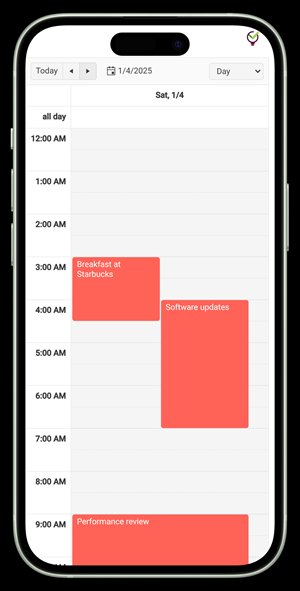
Time Blocking: Don't just list tasks — assign them real calendar time. A task without a time slot is a wish, not a plan.
Weekly Reviews: Spend 15 minutes every Sunday scanning your capture system. This keeps important items from getting buried under daily noise.
Energy Matching: Do high-focus work when your energy peaks, routine tasks when it dips. Fighting your natural rhythms wastes mental resources you need for memory.
Building Your Personal Memory System
The best task management system is the one you'll actually use consistently. Start simple and add complexity only when needed.
Step 1: Choose Your Capture Method — Whether it's a notebook, phone app, or sticky notes, pick one primary system and commit to it completely. Splitting attention across multiple systems guarantees things will slip through.
Step 2: Create Processing Habits — Set specific times to review and organize your captured items. Daily is ideal, but weekly works if you're consistent.
Step 3: Add Context and Triggers — Include enough detail that future-you will understand what needs doing and why it matters. 'Fix website' is useless six months later. 'Update contact form — current one breaks on mobile Chrome' gives you everything you need.
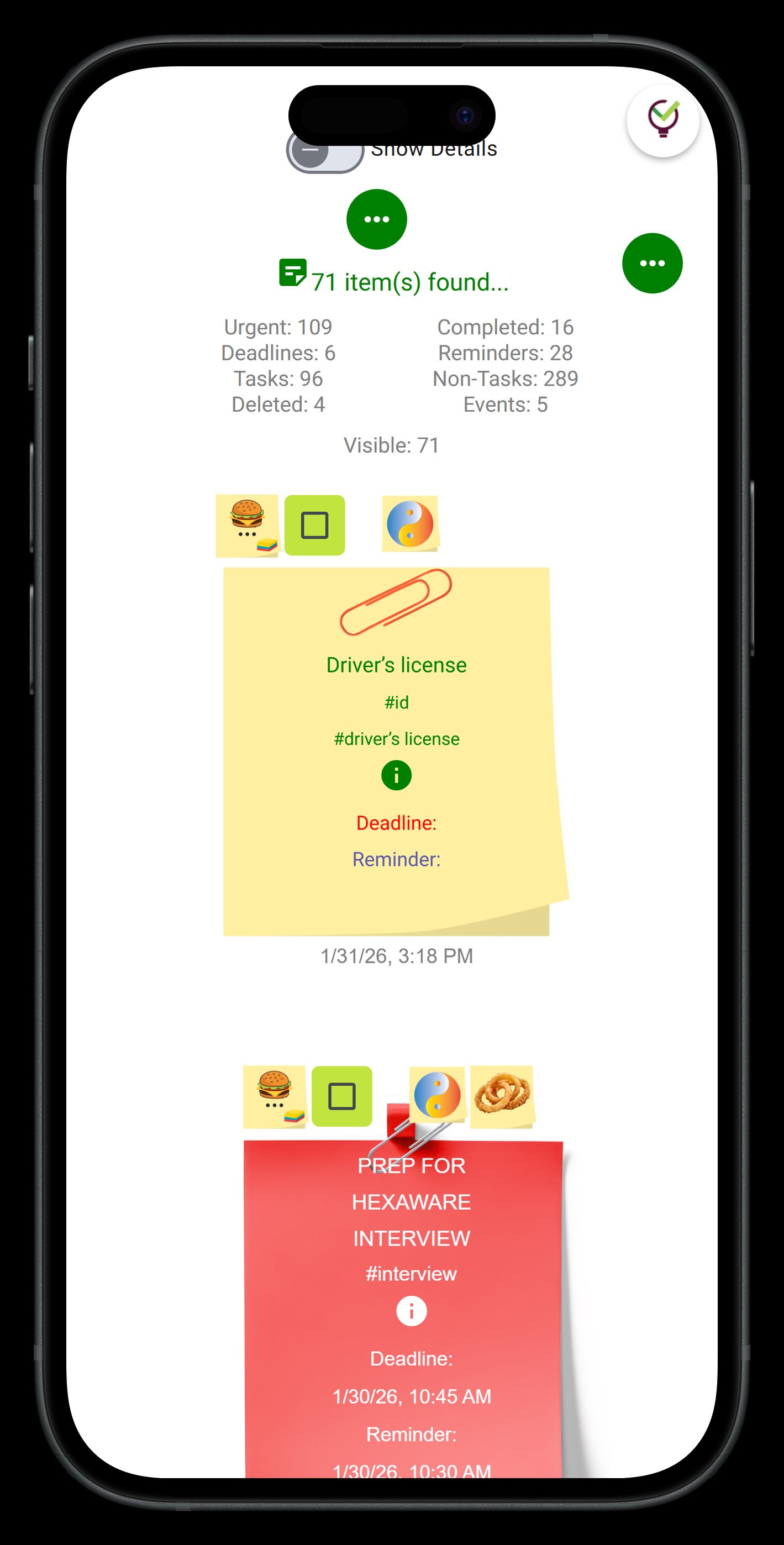
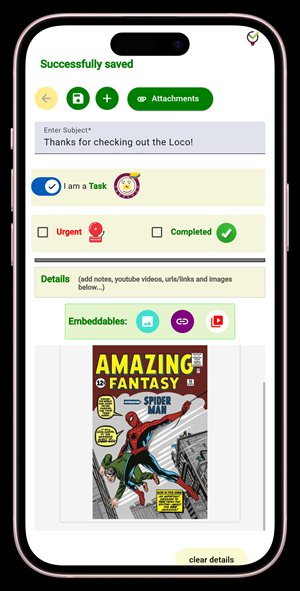
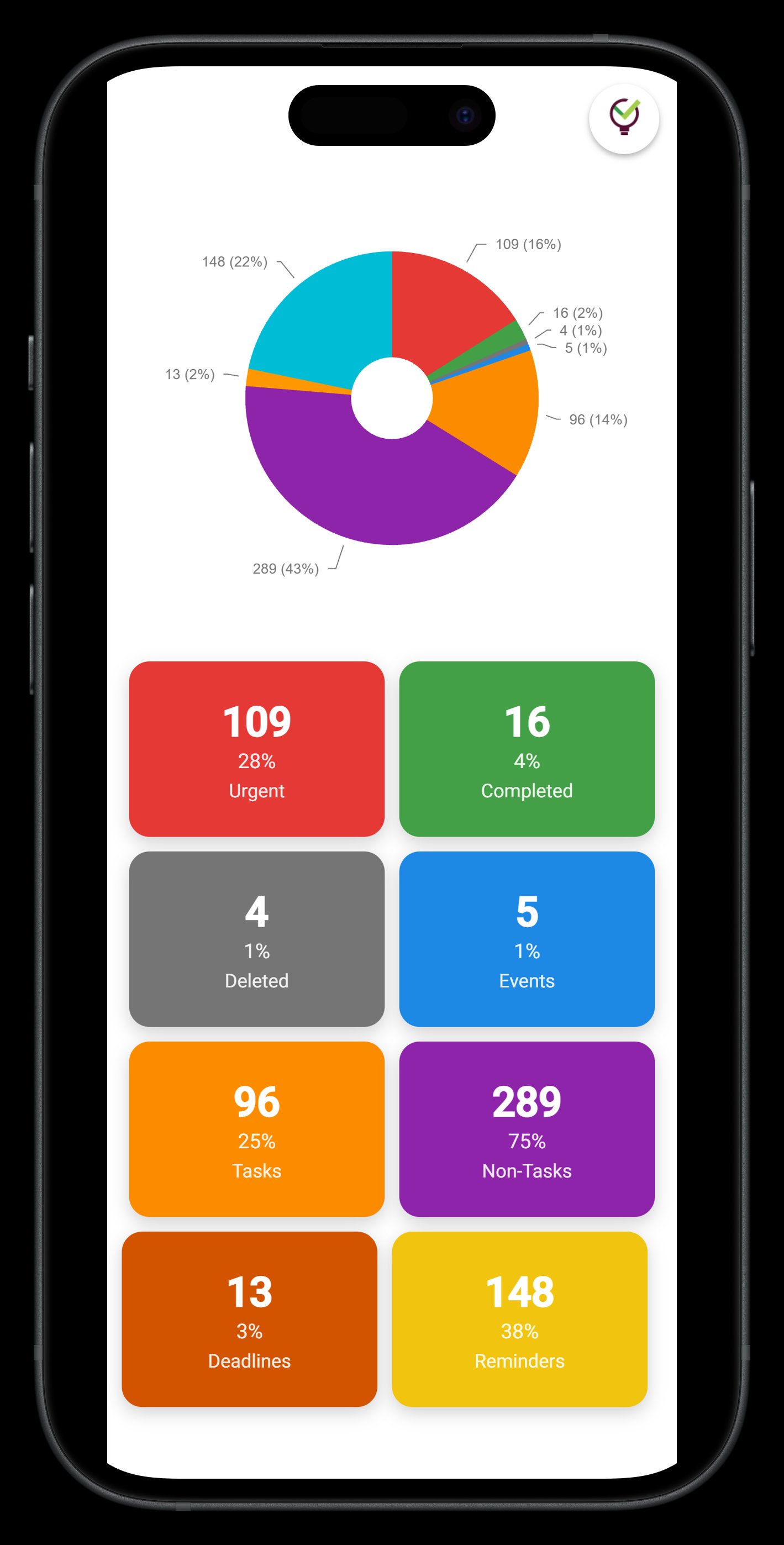
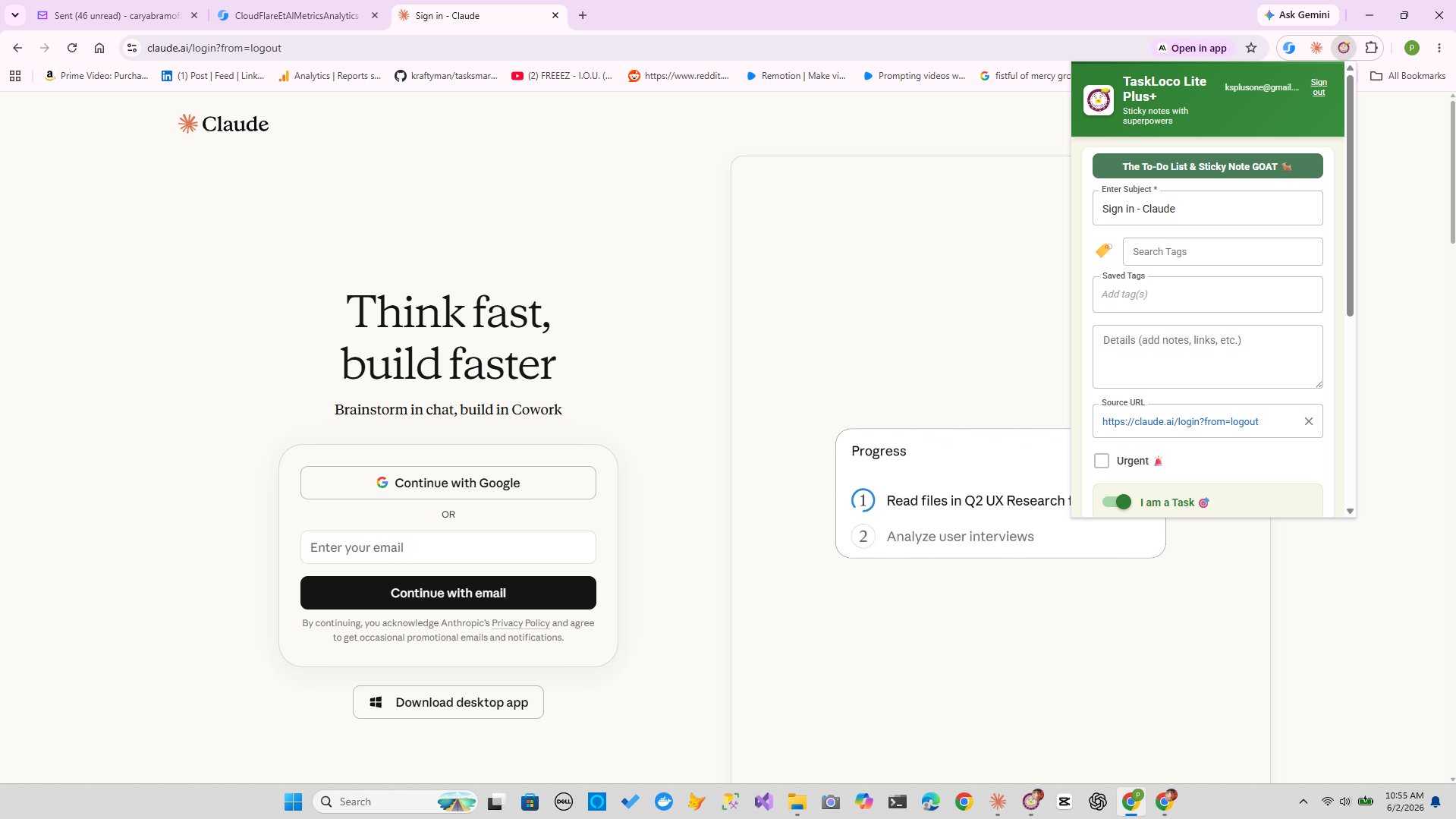
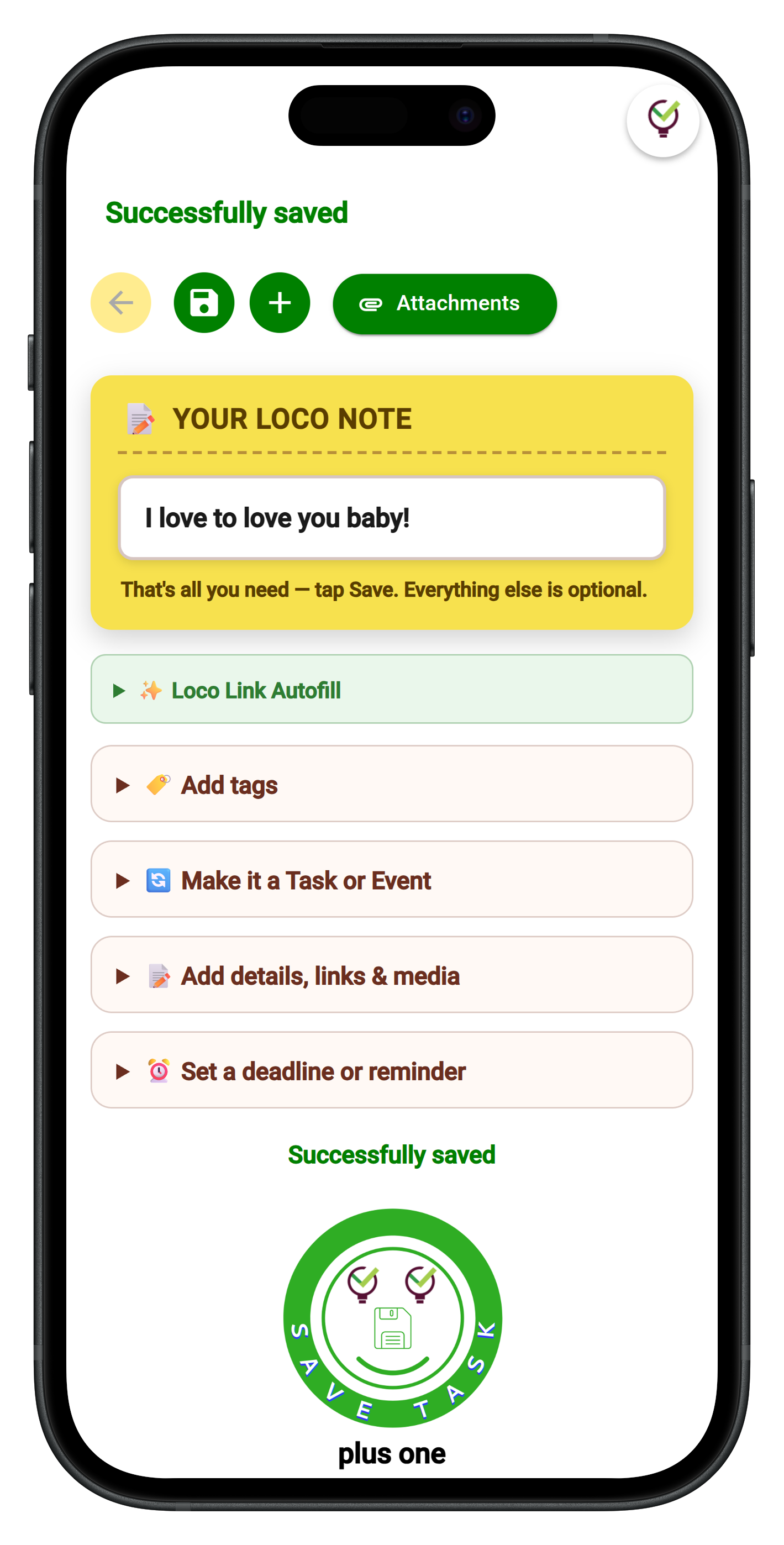
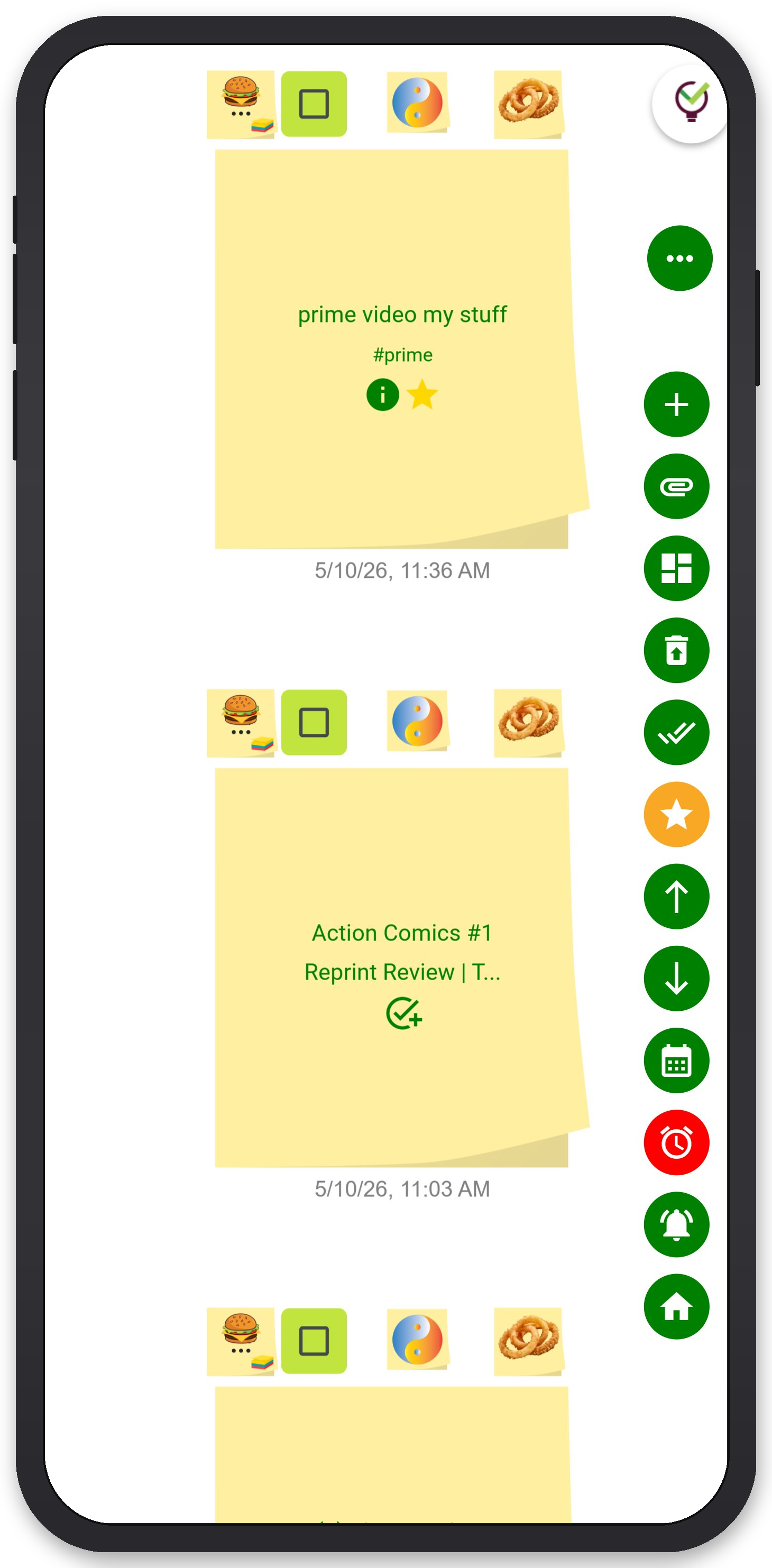
For digital systems, TaskLoco offers a brain-friendly approach with visual sticky notes, reminders that deep-link back to your original thoughts, and file attachments for context. The interface mimics how your brain naturally organizes information — spatially and visually rather than in rigid lists.
TaskLoco Premium is regularly $9.99/month per person. Right now, charter members can lock in 50% off the regular price — forever. That means $4.99/month per person today. And if our price ever goes up, you still pay half. Always.
Code CHARTER50 auto-applies at checkout. First 500 spots only — once they're gone, this offer is gone permanently. Act fast while spots last.
Every Premium subscription includes unlimited notes, 10GB file storage, reminders, calendar, and team sharing. Each team member requires a separate subscription. 7-day free trial — no charge until day 8. Cancel anytime.
Free Options: TaskLoco
TaskLoco Lite
- Native iPhone & Android app
- Completely anonymous — no sign-in
- Data stays on your device
- Up to 20 notes
- Free forever
TaskLoco Lite Plus+
- Web app + Chrome extension
- Sign in with Google
- Wall syncs across all devices
- Up to 30 notes
- Free forever
Lock In 50% Off — Forever
7-day free trial. No charge until day 8. CHARTER50 auto-applies at checkout.
🔒 Lock In My Charter SpotSee TaskLoco in Action
Frequently Asked Questions
Why do I remember some tasks but not others?
Your brain prioritizes tasks with emotional weight, clear deadlines, or environmental triggers. Abstract tasks without these elements get filtered out by your attention system. Adding visual reminders and specific contexts helps important tasks compete for mental priority.
Is it normal to forget tasks even when they're written down?
Absolutely. Writing something down doesn't guarantee you'll check your list regularly or process what you wrote effectively. The key is creating a trusted system you review consistently, with enough context that items make sense when you return to them.
How many tasks can I realistically track at once?
Your working memory maxes out around 7 items, but your external system can handle unlimited tasks. The trick is organizing them so only the most relevant items demand immediate attention while keeping everything else accessible but not overwhelming.
Why do I remember random things but forget important tasks?
Random memories often have strong sensory or emotional triggers, while important tasks are usually abstract concepts. Your brain evolved to remember 'there's a bear behind that tree' not 'update quarterly report next Thursday.' External systems compensate for this evolutionary mismatch.
Should I set reminders for everything?
Strategic reminders work better than reminder overload. Too many notifications train your brain to ignore them all. Use reminders for time-sensitive items and create visual cues or environmental triggers for routine tasks.
How long does it take to build reliable task memory habits?
Most people see improvement within 2-3 weeks of consistent capture and review habits. Full automaticity takes 2-3 months. The key is starting simple with one trusted system rather than trying to optimize everything at once.
Can digital tools really improve task memory?
Digital tools excel at reliable storage, search, and automated reminders — things human memory struggles with. $9.99/month per person (currently $4.99/month per person for first 500 charter members with code CHARTER50) The best tools work with your brain's natural patterns rather than forcing rigid organization systems.
Born in Brooklyn. Powered by AWS. Your data stays yours.
TaskLoco is available on iPhone, Android, Chrome, and every web browser.