You downloaded the productivity app with high hopes. This time would be different. You'd finally get organized, stay on top of everything, maybe even achieve that elusive work-life balance. Three weeks later, the app sits unused while you're back to scribbling tasks on random pieces of paper.
Sound familiar? You're not alone. Studies show that 80% of productivity apps get deleted within six months. The problem isn't you — it's how most productivity tools are designed. They promise to solve everything but end up creating new problems instead.
The Complexity Trap: When Tools Become Obstacles
The biggest killer of productivity apps is feature bloat. Companies keep adding bells and whistles until simple task management becomes rocket science. You wanted to write down 'call dentist' — instead you're configuring project hierarchies, setting up custom fields, and learning a new tagging system.
This complexity creeps in gradually. What starts as a clean, simple tool slowly accumulates features until it requires a manual to use effectively. Before you know it, managing your productivity system takes longer than actually being productive.
Real productivity happens when the friction disappears. You think of something, you capture it immediately, and you move on. The moment you have to stop and figure out which category something belongs in or how to format it properly, you've already lost momentum.
The Setup Burden: When Getting Started Takes Forever
Most productivity apps require a massive upfront investment. You need to create projects, set up templates, configure integrations, import your data, and learn the system. By the time you're ready to be productive, you're already exhausted.
This setup burden creates a psychological barrier. Every time you think about using the app, you remember all the configuration work waiting for you. It's easier to just keep using whatever quick-and-dirty system you had before, even if it's not ideal.
The apps that stick are the ones you can start using immediately. No onboarding process, no mandatory tutorials, no forced project structure. You open it, add your first item, and you're off. Everything else can be learned gradually as you go.
The Maintenance Problem: When Your System Needs a System
Successful productivity systems require maintenance, but many apps demand too much of it. You find yourself spending significant time organizing categories, updating project statuses, archiving completed items, and keeping everything tidy.
This maintenance work often feels productive in the moment — you're organizing, you're taking control. But it's a trap. Time spent maintaining your productivity system is time not spent on actual work. The system starts serving itself instead of serving you.
Look for tools that maintain themselves. Automatic organization, smart defaults, and minimal required upkeep. The best systems work even when you neglect them for a few days or weeks.
Your productivity tool should adapt to your natural patterns, not force you to adapt to it. If you naturally think in lists, use a list-based tool. If you're visual, find something with good visual organization. Fighting against your instincts creates friction that eventually leads to abandonment.
Finding Your Productivity Sweet Spot
The key to long-term success with any productivity tool is matching it to your actual needs, not your aspirational ones. Be honest about how you work, what you'll actually use, and how much complexity you can handle.
Start with the simplest tool that covers your core needs. You can always upgrade later, but most people benefit from doing less, not more. The goal is consistency over completeness.
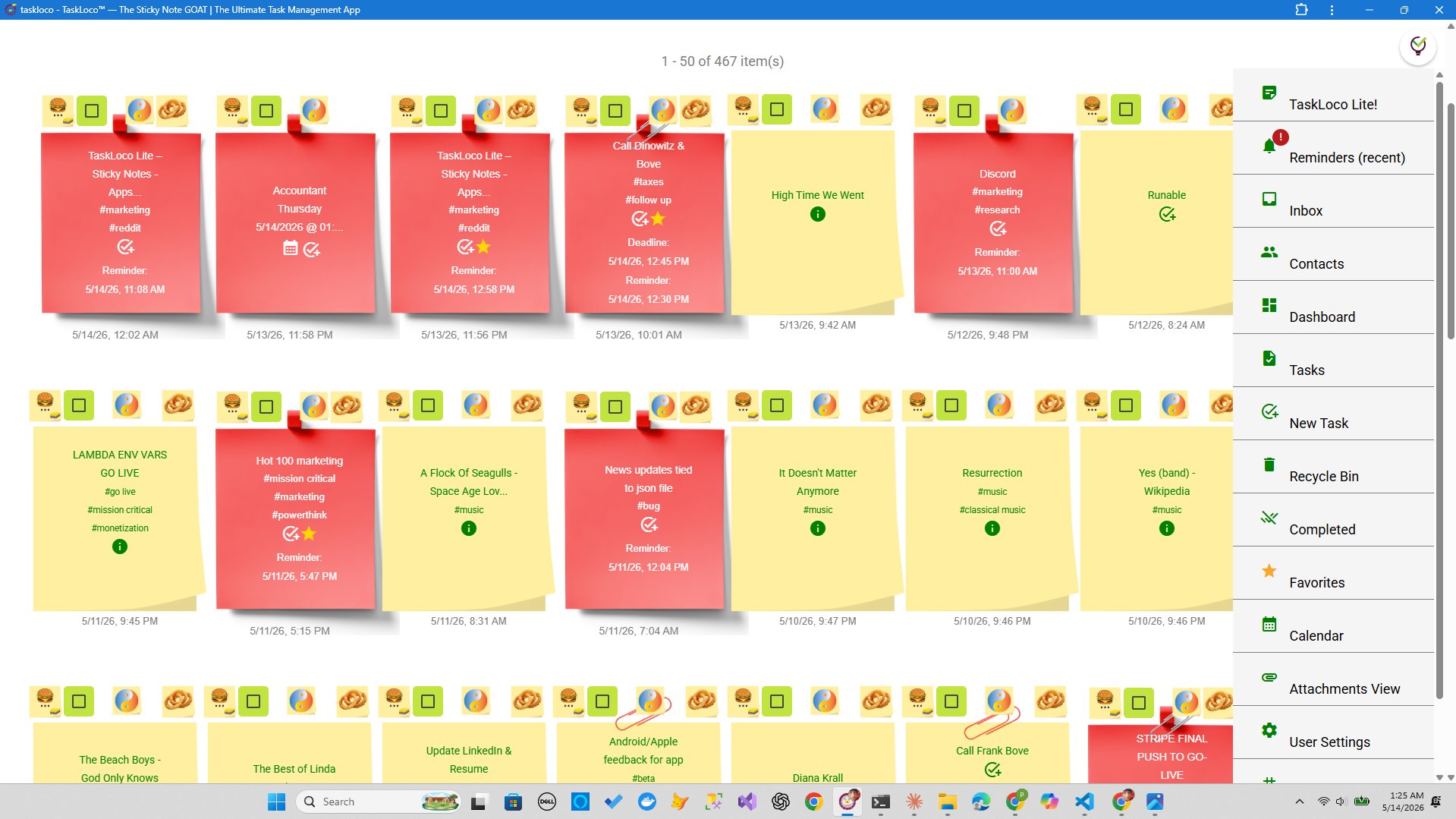
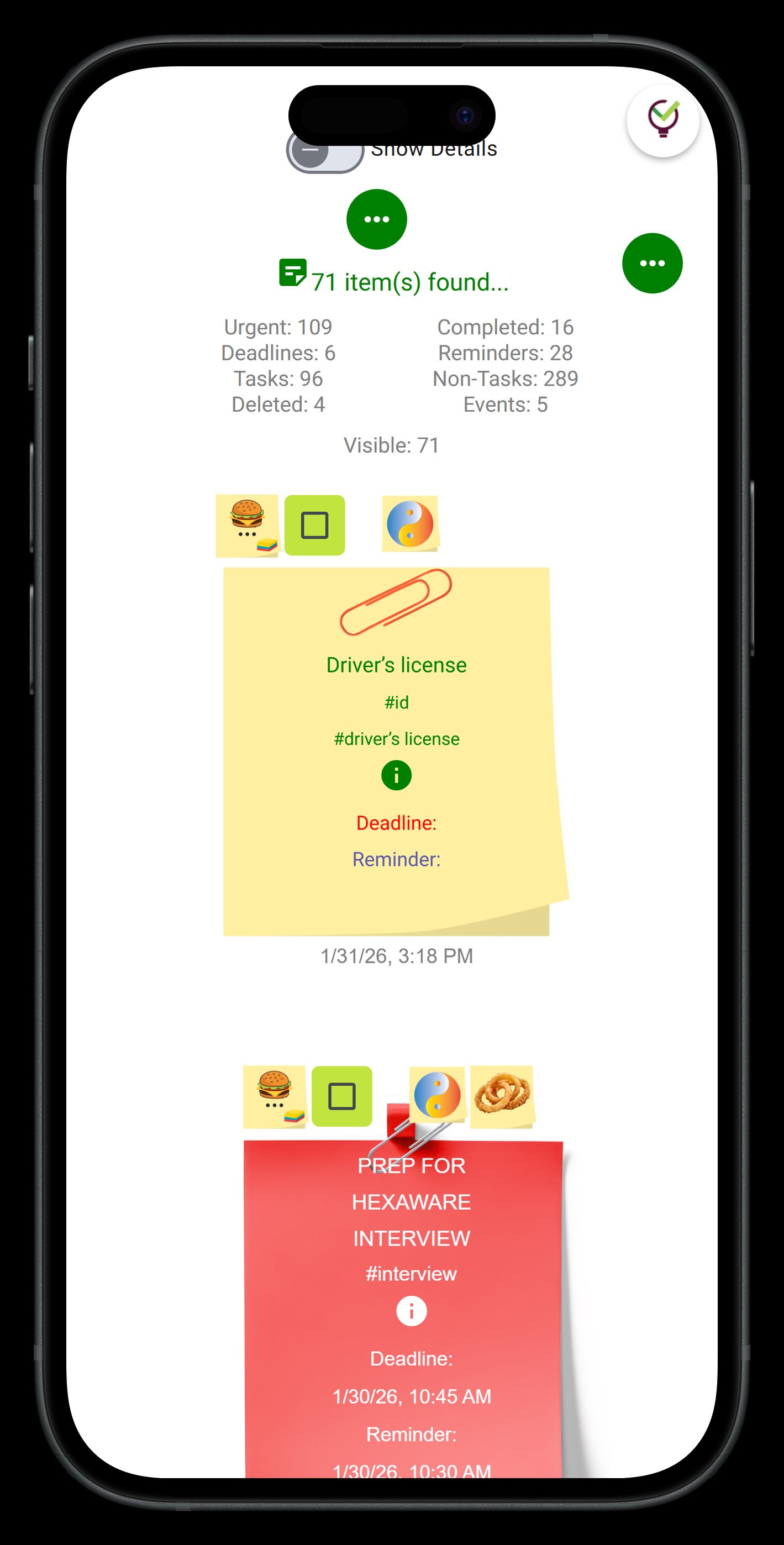
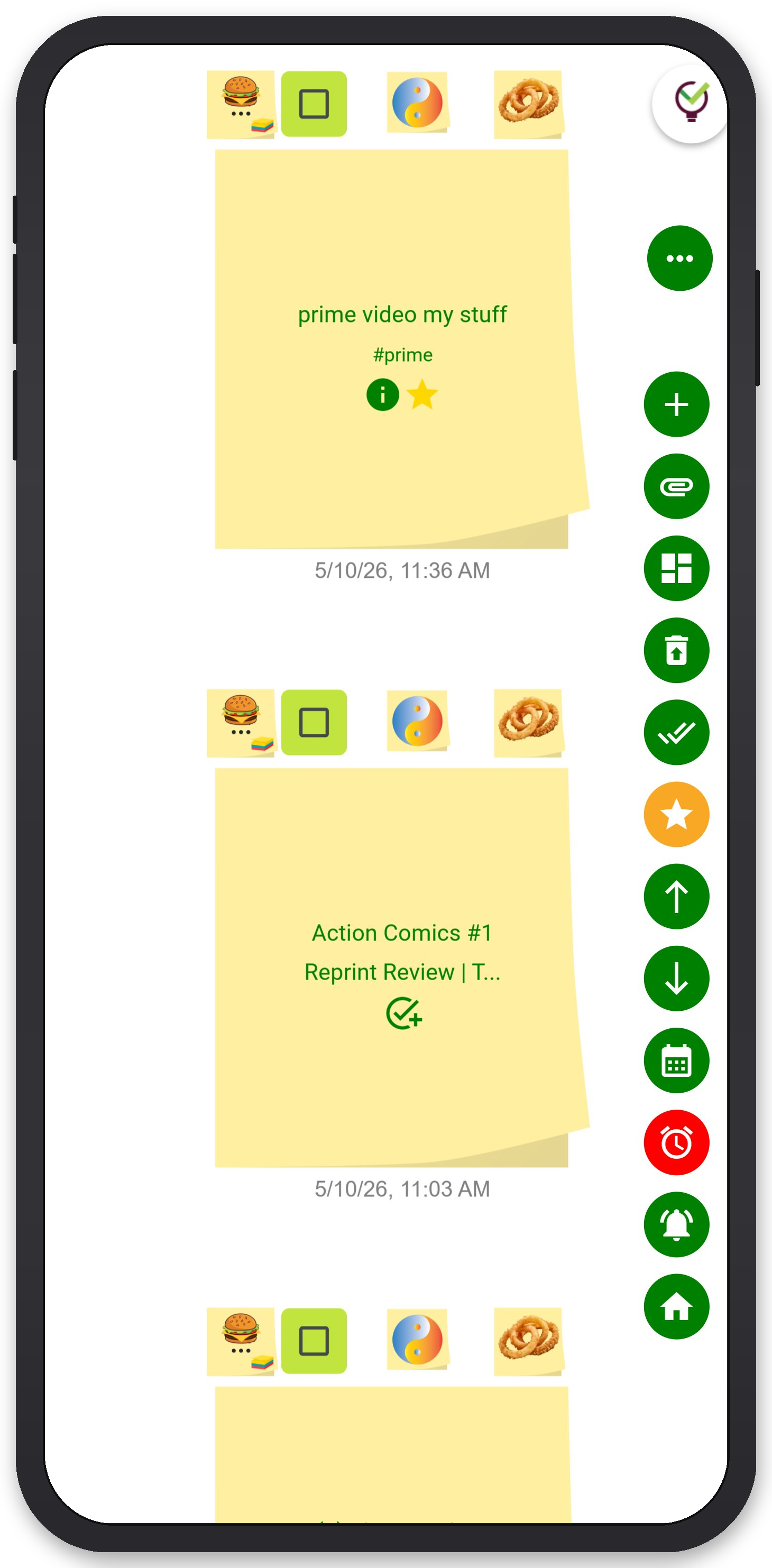
TaskLoco takes this philosophy seriously. Instead of cramming every possible feature into one overwhelming interface, it focuses on the essentials: capturing thoughts quickly, setting reminders that actually work, and sharing with your team when needed. The interface feels like digital sticky notes — familiar, fast, and flexible enough to handle whatever you throw at it.
The best productivity system is the one you'll still be using six months from now. Simple beats sophisticated when it comes to building lasting habits.
TaskLoco Premium is regularly $9.99/month per person. Right now, charter members can lock in 50% off the regular price — forever. That means $4.99/month per person today. And if our price ever goes up, you still pay half. Always.
Code CHARTER50 auto-applies at checkout. First 500 spots only — once they're gone, this offer is gone permanently. Act fast while spots last.
Every Premium subscription includes unlimited notes, 10GB file storage, reminders, calendar, and team sharing. Each team member requires a separate subscription. 7-day free trial — no charge until day 8. Cancel anytime.
Free Options: TaskLoco
TaskLoco Lite
- Native iPhone & Android app
- Completely anonymous — no sign-in
- Data stays on your device
- Up to 20 notes
- Free forever
TaskLoco Lite Plus+
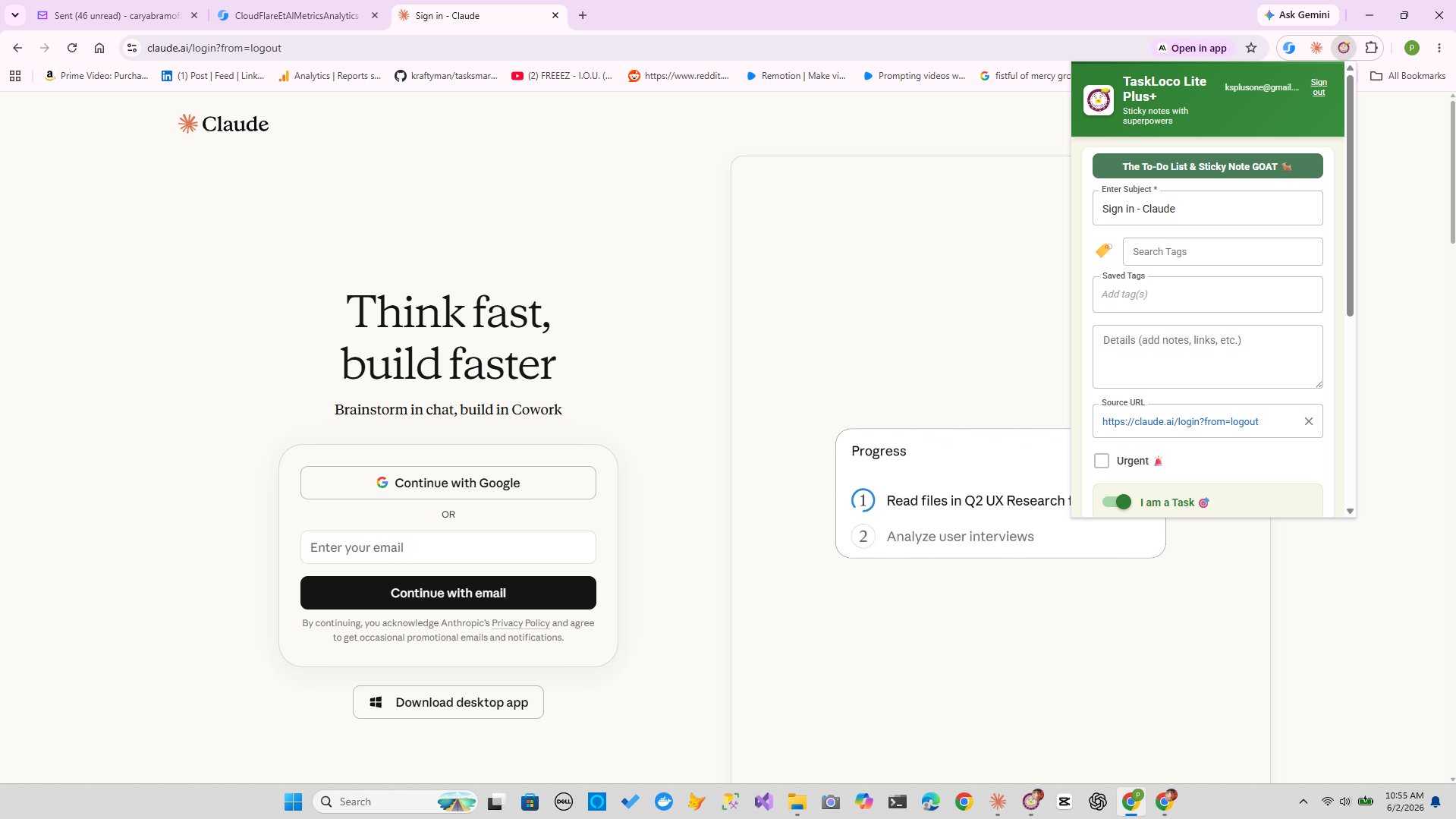
- Web app + Chrome extension
- Sign in with Google
- Wall syncs across all devices
- Up to 30 notes
- Free forever
Lock In 50% Off — Forever
7-day free trial. No charge until day 8. CHARTER50 auto-applies at checkout.
🔒 Lock In My Charter SpotSee TaskLoco in Action
Frequently Asked Questions
What's the main reason people abandon productivity apps?
Complexity overload. Most apps start simple but gradually add so many features that basic tasks become complicated. When managing your productivity system takes more time than being productive, people naturally abandon it.
How long should it take to set up a new productivity app?
If you can't add your first task within five minutes of opening the app, it's probably too complicated for long-term success. The best tools let you start immediately and learn advanced features gradually.
Should I choose the app with the most features?
Usually not. More features often mean more complexity, more maintenance, and more ways for the system to break down. Focus on tools that do the basics really well rather than trying to handle every possible use case.
How do I know if a productivity app is right for me?
Use it for real work for at least two weeks. If you find yourself avoiding the app, spending too much time organizing it, or feeling frustrated by basic tasks, it's probably not a good fit.
What makes some productivity apps addictive while others get abandoned?
Successful apps feel effortless to use and provide immediate value. They work with your natural patterns instead of forcing you to change. Apps that require constant maintenance or complex workflows tend to get abandoned.
Is it better to stick with one productivity app or use multiple tools?
Generally, simpler is better. Using multiple tools means more maintenance, more places to check, and more potential for things to fall through the cracks. Find one tool that handles your core needs well.
How can I avoid the productivity app switching cycle?
Start with your actual needs, not your ideal ones. Choose simple over sophisticated. Give new tools at least a month of real use before deciding. And remember — the best system is the one you'll actually use consistently.
Born in Brooklyn. Powered by AWS. Your data stays yours.
TaskLoco is available on iPhone, Android, Chrome, and every web browser.