You've tried dozens of productivity apps. Each one promised to be the solution that finally gets your life organized. Yet here you are, back to scattered notes and missed deadlines, wondering why nothing sticks.
The problem isn't you. It's that most productivity apps are built by engineers for engineers, not for real people with messy, unpredictable days. They fail because they violate basic principles of how humans actually work — and once you understand these principles, you can finally pick a system that works.
The Complexity Trap: When Apps Become Jobs
The biggest reason productivity apps fail is complexity creep. You start with good intentions — setting up projects, categories, tags, custom fields, automation rules. Before you know it, managing your productivity system has become a part-time job.
Every task requires decisions: Which project does this belong to? What priority level? Should I tag it? Which team member gets assigned? By the time you've categorized everything, you could have just done the work.
Real productivity happens when the tool disappears. The best systems require zero thought to use. You write it down, set a reminder if needed, and move on. That's it.
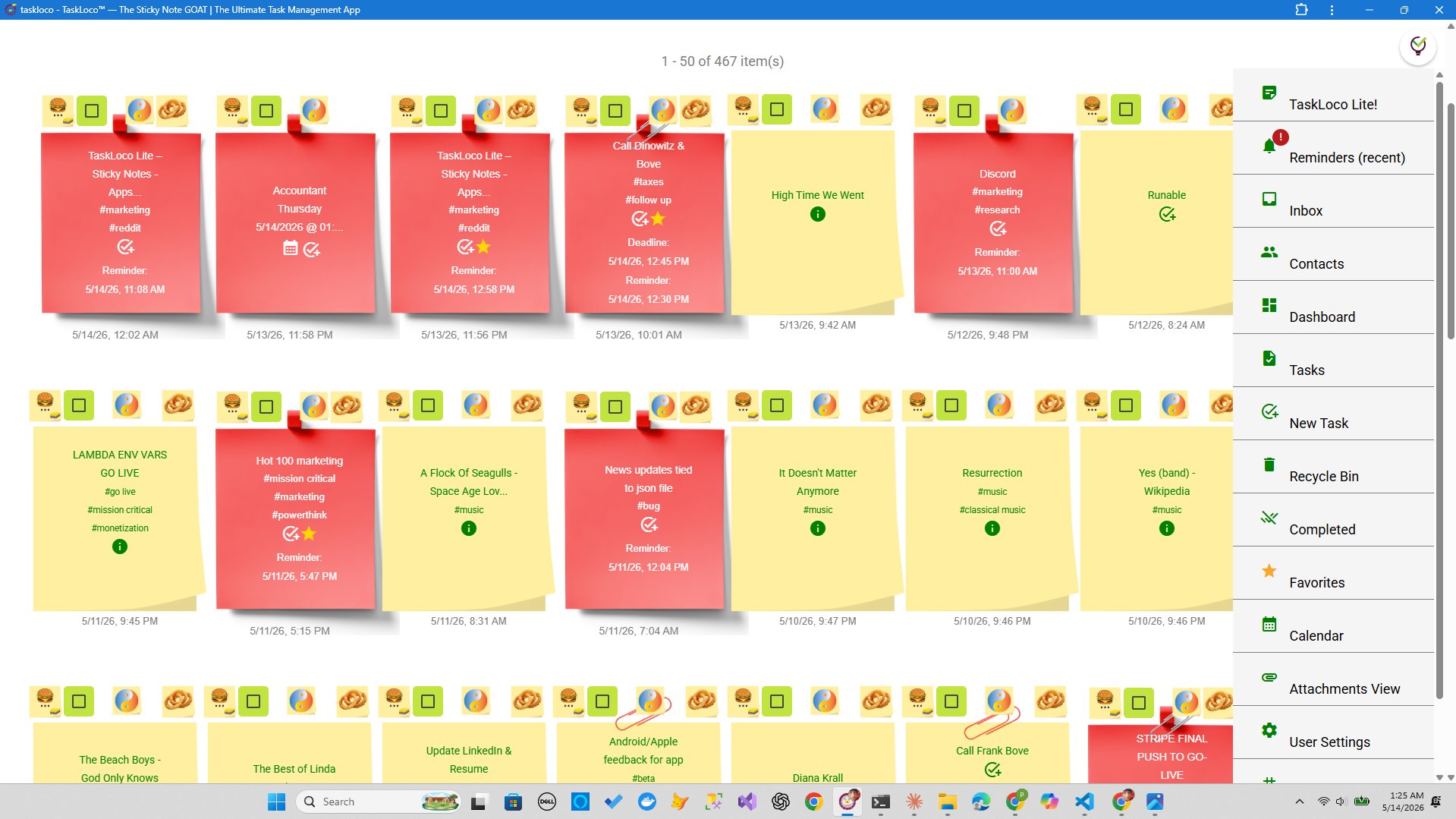
This is why simple tools like sticky notes never go out of style. They have exactly one job: capture a thought quickly. No categories, no projects, no workflow diagrams. Just write and stick.
The Workflow Mismatch: Fighting Your Natural Patterns
Most apps force you to adopt their workflow instead of adapting to yours. They assume you work in neat project phases with clear deadlines and assigned team members. Real work is messier.
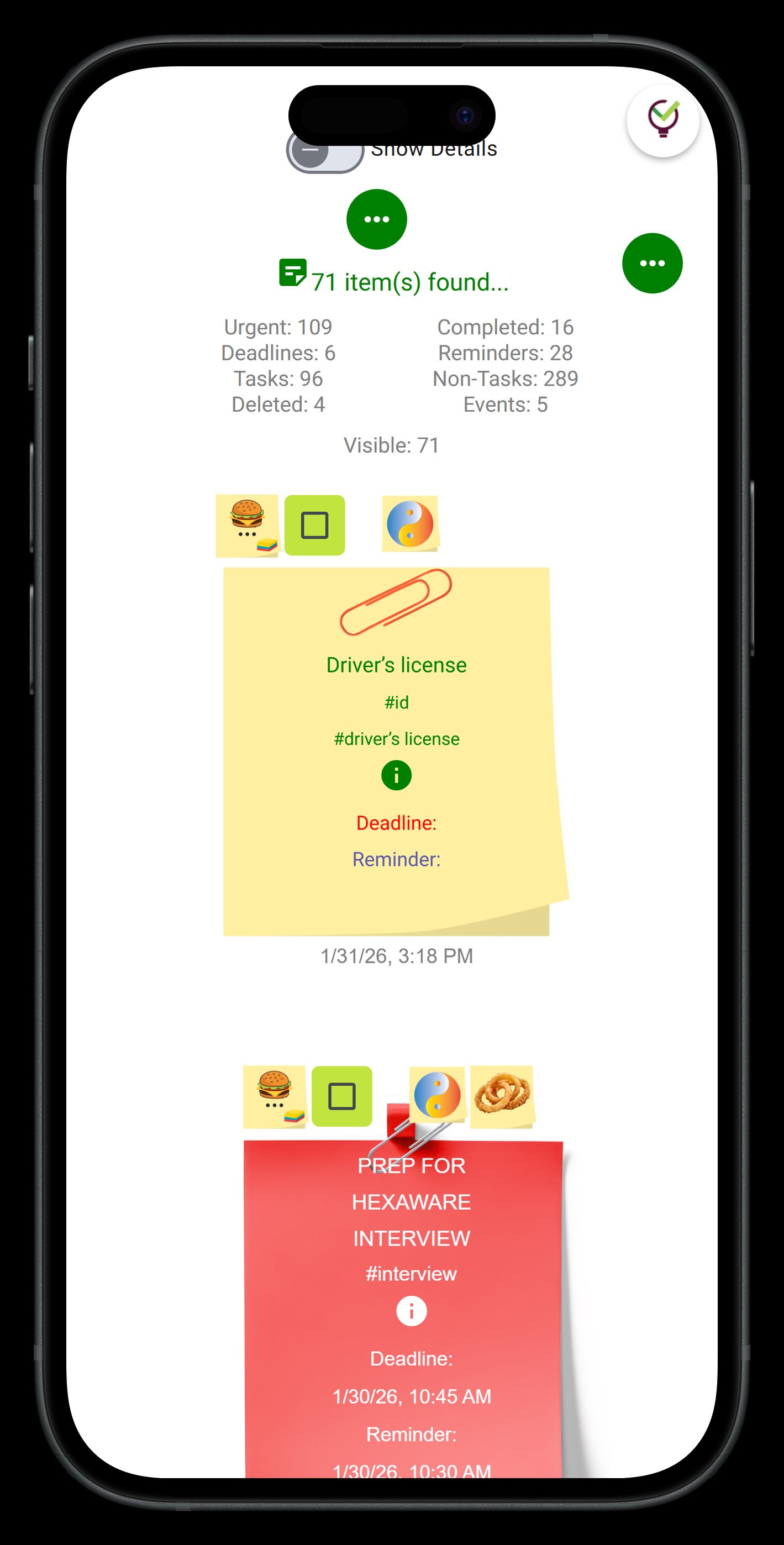
You get an idea in the shower. A client emails a random request. Your boss mentions something in passing. These don't fit into predetermined project structures — they're just things that need to get done.
Successful productivity systems match how you actually think. Some people are visual and need to see everything at once. Others prefer lists. Some work in bursts, others in steady streams.
The wrong system feels like swimming upstream. You're constantly fighting the interface instead of focusing on work. Signs your app doesn't match your workflow:
- You avoid opening it because it feels overwhelming
- You keep notes in other places because the app is too slow
- You've stopped updating it because the process is tedious
- You feel guilty about not using it "properly"
The Maintenance Burden: When Organization Becomes Procrastination
Complex productivity apps create a dangerous illusion: that organizing is the same as doing. You can spend hours perfecting your system, color-coding everything, setting up automations — and feel productive without actually completing any real work.
This maintenance burden kills momentum. Instead of tackling your actual to-do list, you're reorganizing your to-do list. Instead of writing that report, you're creating a new project template for reports.
The best systems require zero ongoing maintenance. You should be able to ignore your productivity app for weeks and pick up exactly where you left off, with no cleanup required.
Warning signs your system needs too much care and feeding:
- Weekly "system maintenance" sessions
- Constantly tweaking categories and tags
- Regular "productivity system overhauls"
- Following productivity gurus who sell new methods every month
- Feeling behind when you haven't organized recently
What Actually Works: Simple Systems That Stick
Successful productivity apps share three traits: they're fast to use, match your natural workflow, and require minimal setup. Think about the tools you actually use every day — your phone's camera, text messages, email. They all follow the same pattern: open, do the thing, close.
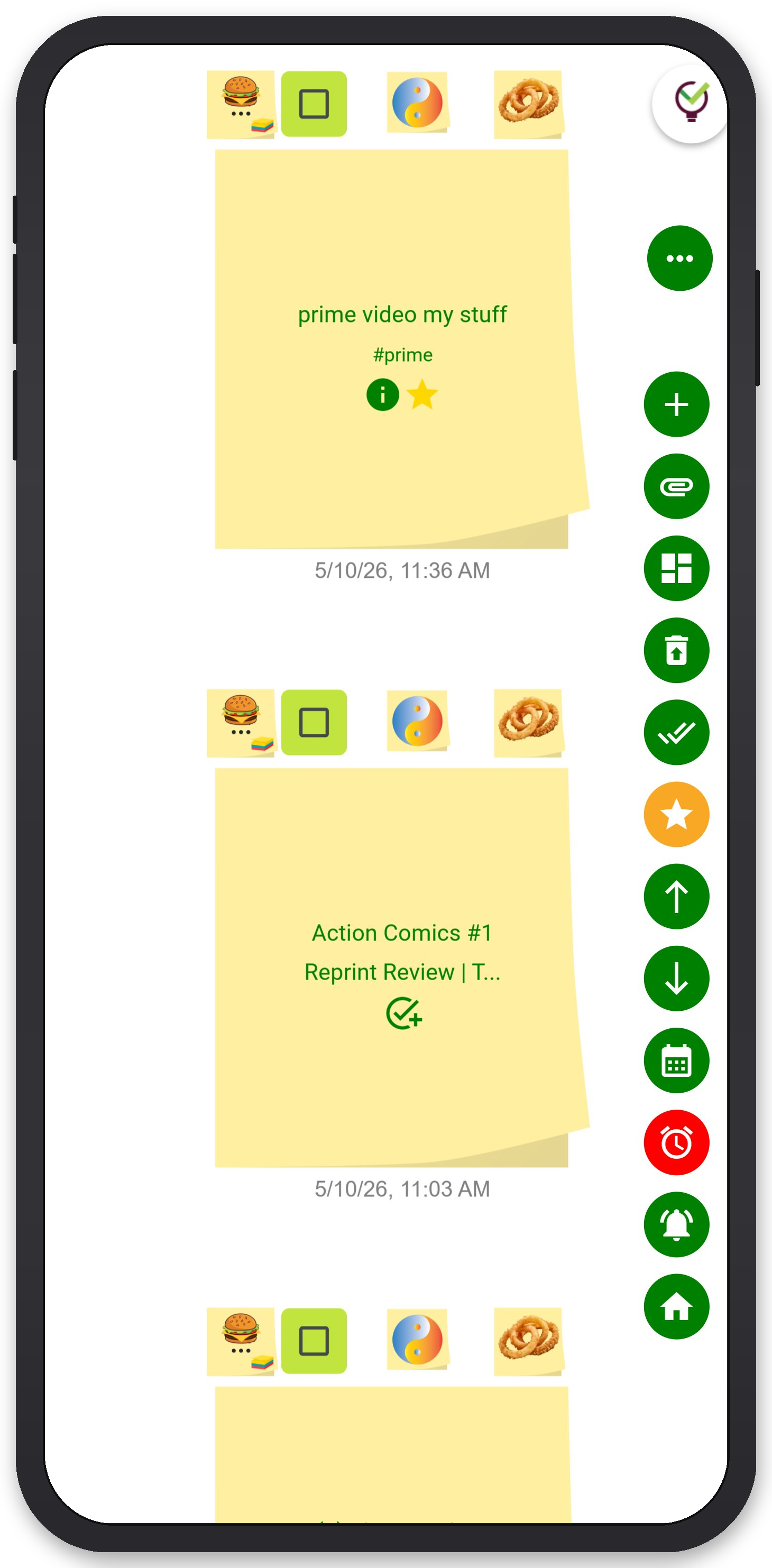
TaskLoco applies this philosophy to task management. It works like digital sticky notes — write what you need to remember, set a reminder if needed, and get back to work. No projects, no categories, no workflow diagrams. Just capture and deliver.
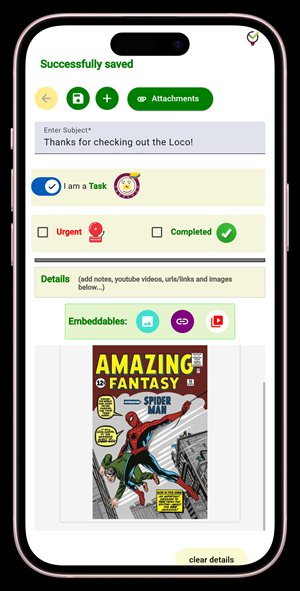
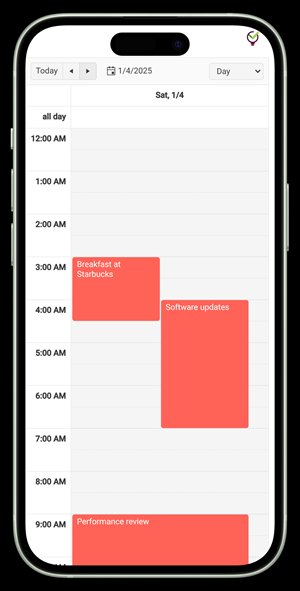
When a reminder fires, it deep-links straight back to the original note with all your context intact. Add files, share with team members, view everything on a calendar — but only when you need those features, not as required steps.
The simplest systems often look too basic at first glance. But that simplicity is what makes them work long-term. When your day gets chaotic, you can still throw tasks into the system without thinking. When you're focused, it stays out of your way.
TaskLoco Premium is regularly $9.99/month per person. Right now, charter members can lock in 50% off the regular price — forever. That means $4.99/month per person today. And if our price ever goes up, you still pay half. Always.
Code CHARTER50 auto-applies at checkout. First 500 spots only — once they're gone, this offer is gone permanently. Act fast while spots last.
Every Premium subscription includes unlimited notes, 10GB file storage, reminders, calendar, and team sharing. Each team member requires a separate subscription. 7-day free trial — no charge until day 8. Cancel anytime.
Free Options: TaskLoco
TaskLoco Lite
- Native iPhone & Android app
- Completely anonymous — no sign-in
- Data stays on your device
- Up to 20 notes
- Free forever
TaskLoco Lite Plus+
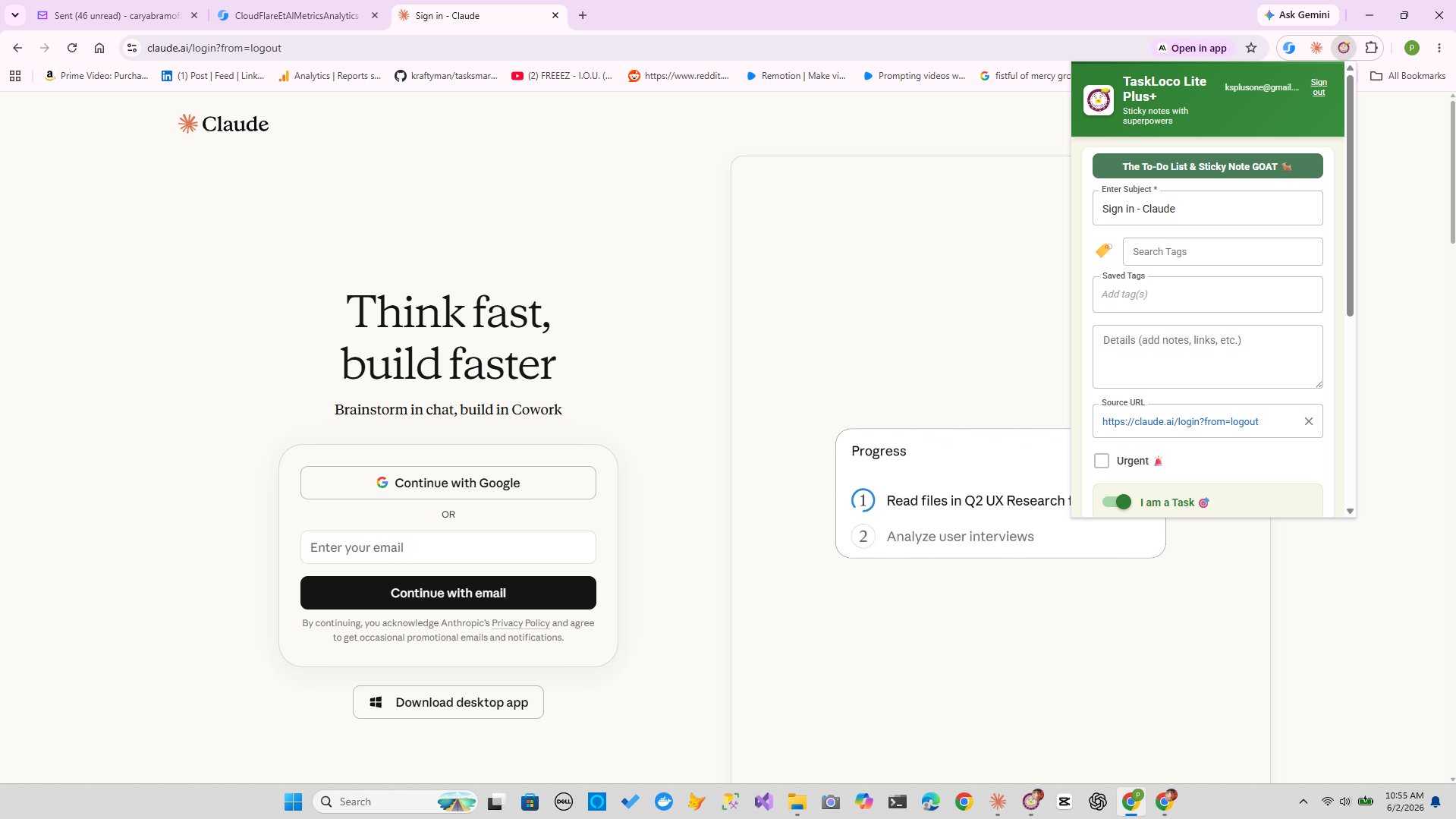
- Web app + Chrome extension
- Sign in with Google
- Wall syncs across all devices
- Up to 30 notes
- Free forever
Lock In 50% Off — Forever
7-day free trial. No charge until day 8. CHARTER50 auto-applies at checkout.
🔒 Lock In My Charter SpotSee TaskLoco in Action
Frequently Asked Questions
Why do I keep abandoning productivity apps?
Most people abandon productivity apps because they're too complex for daily use or don't match natural work patterns. If an app requires more than 30 seconds to capture a task or needs regular maintenance, it's fighting against human nature.
What makes a productivity system stick long-term?
Systems that stick are fast, simple, and require zero ongoing maintenance. They should feel effortless to use and match how you naturally think about work, not force you into predetermined workflows.
How complex should my productivity system be?
The best rule: if you spend more time organizing tasks than doing them, your system is too complex. Successful productivity happens when the tool disappears and you focus on actual work.
Should I use multiple productivity apps for different needs?
Using multiple apps usually creates more problems than it solves. Information gets scattered, you forget which app has what, and switching between tools wastes mental energy. One simple system that handles everything is almost always better.
What's the biggest mistake people make with productivity apps?
The biggest mistake is confusing organizing with doing. Many people spend hours perfecting their system, color-coding everything, and setting up automations while avoiding actual work. Organization should take seconds, not hours.
How do I know if a productivity app will work for me?
Test it with your real workflow, not the demo scenarios. Can you capture a random thought in under 30 seconds? Does it feel natural or forced? Would you still use it during your busiest, most stressful week? That's the real test.
Is TaskLoco right for someone who's tried everything?
TaskLoco works especially well for people burned out on complex systems. It's built like digital sticky notes — fast capture, reliable reminders, zero maintenance. $9.99/month per person (currently $4.99/month per person for first 500 charter members with code CHARTER50)
Born in Brooklyn. Powered by AWS. Your data stays yours.
TaskLoco is available on iPhone, Android, Chrome, and every web browser.