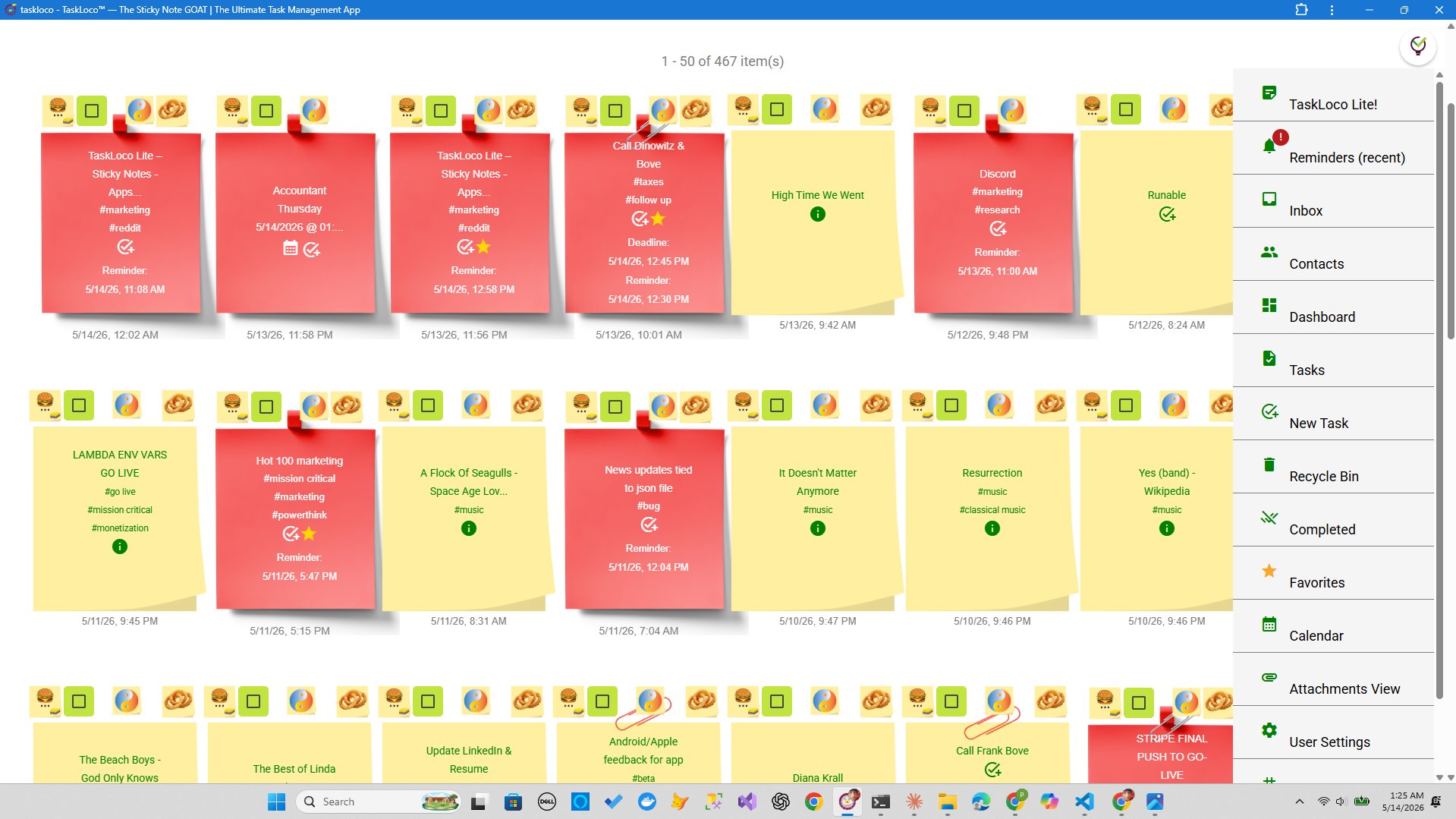
You've probably noticed something odd: despite having smartphones, tablets, and countless digital apps, sticky notes remain stubbornly popular. Walk through any office, and you'll still see them plastered on monitors, keyboards, and walls. There's a reason for this persistence that goes beyond nostalgia.
The effectiveness of sticky notes isn't just convenience — it's rooted in how our brains actually process information, form memories, and manage attention. Understanding why they work so well can help you use them more effectively, whether you stick with paper or move to digital versions.
The Neuroscience of Handwriting and Memory
When you write something by hand, your brain activates multiple regions simultaneously. The motor cortex controls the physical movement, the visual cortex processes what you're seeing, and the hippocampus — crucial for memory formation — integrates everything together. This multi-sensory engagement creates what neuroscientists call 'embodied cognition.'
Research from Princeton and UCLA found that people who take handwritten notes retain information 34% better than those who type. The slower, more deliberate process of forming letters forces your brain to actively process and filter information rather than just transcribe it. This is why jotting down a task on a sticky note often helps you remember it better than typing it into your phone.
Even the tactile feedback of pen on paper triggers additional memory pathways. Your brain remembers not just what you wrote, but how it felt to write it — the pressure, the texture, the slight resistance of the paper. This creates what memory researchers call 'retrieval cues' that help you access the information later.
Visual Persistence and Spatial Memory
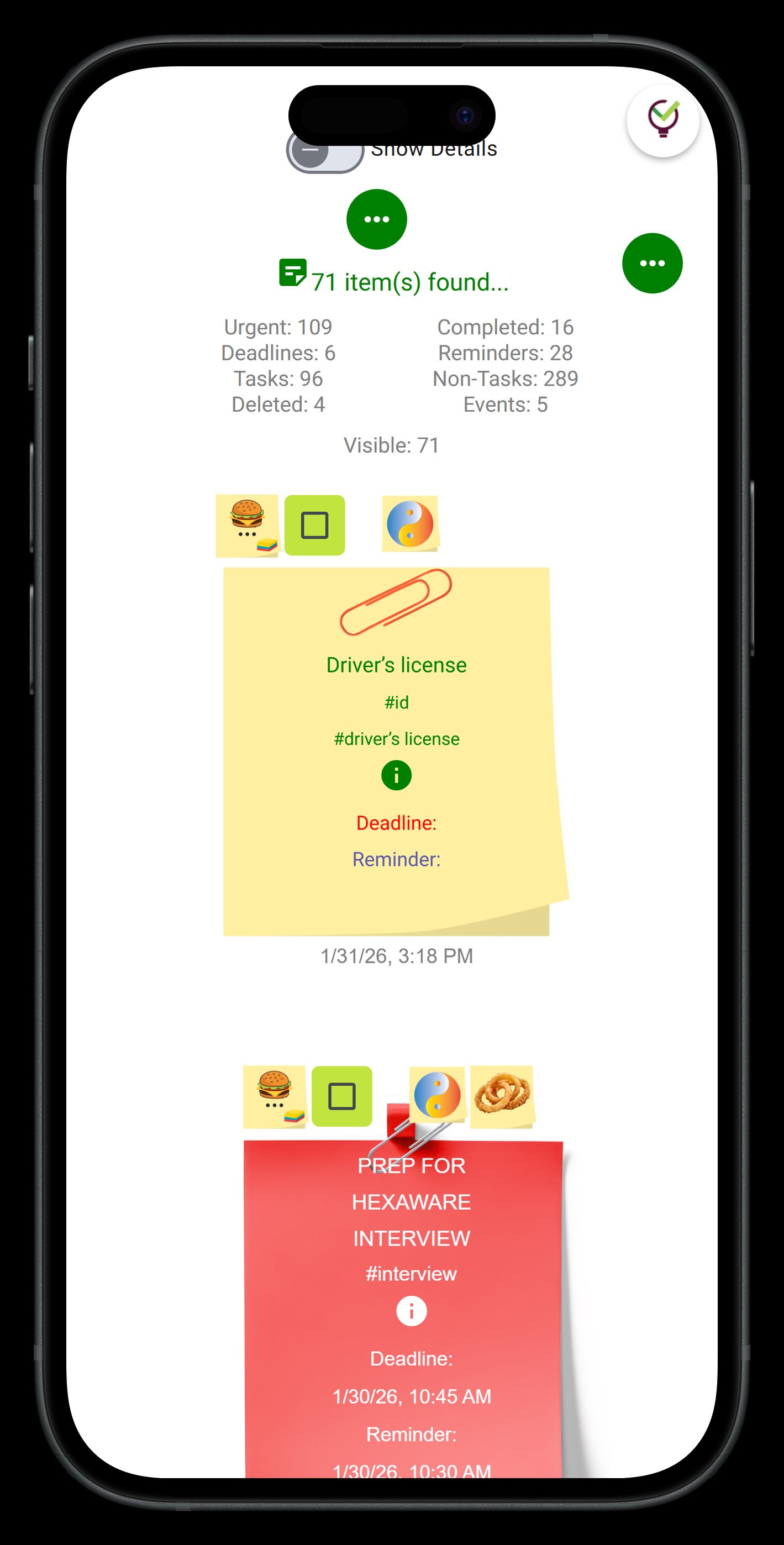
Sticky notes work because they stay visible. While digital notifications disappear after you've seen them, a sticky note maintains what psychologists call 'environmental persistence' — it keeps nagging at your peripheral vision until you deal with it.
Your brain has evolved sophisticated spatial memory systems. You don't just remember what you need to do; you remember where you put the reminder. The yellow note stuck to your monitor becomes anchored to that specific location, creating a mental map of your tasks. When you walk past your desk, your brain automatically scans these spatial anchors.
This explains why people often stick notes in strategic locations — on their bathroom mirror for morning routines, on their car steering wheel for errands, or next to their coffee maker for daily priorities. They're deliberately hijacking their brain's spatial navigation system to trigger task memory at the right moment.
The bright colors of traditional sticky notes aren't just aesthetic choices. Yellow, pink, and orange create what attention researchers call 'pop-out effects' — they automatically capture your visual attention even when you're focused on something else. This makes them nearly impossible to ignore, which is exactly what you want from a reminder system.
Cognitive Load Theory and Mental Bandwidth
One of the most important reasons sticky notes work is that they reduce what psychologists call 'cognitive load.' Your brain has limited mental bandwidth for processing information, and trying to remember everything internally quickly overwhelms this capacity.
When you externalize a task or idea onto a sticky note, you free up mental resources for other thinking. It's like clearing RAM on a computer — suddenly everything else runs faster and smoother. This is why you often feel immediate relief after writing down something you need to remember.
Cognitive Load Theory, developed by John Sweller, shows that human working memory can only handle about 7 pieces of information simultaneously. But most of us try to juggle far more than that mentally. Every task, appointment, idea, and worry competes for the same limited cognitive space.
The simplicity of sticky notes is also crucial. Complex digital systems often create more cognitive load than they solve. You have to remember which app to open, navigate through menus, categorize items correctly. A sticky note has zero learning curve — write, stick, done.
Applying Sticky Note Principles Digitally
Understanding why sticky notes work can help you choose and use digital tools more effectively. The key is finding systems that preserve the core psychological benefits: easy capture, visual persistence, spatial organization, and minimal cognitive overhead.
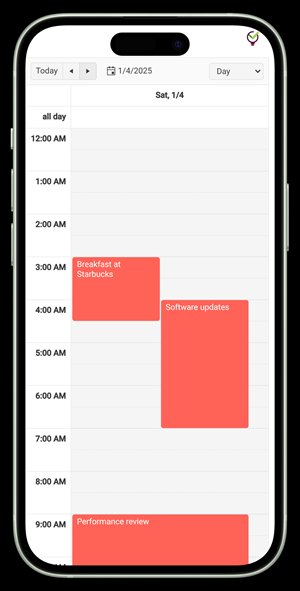
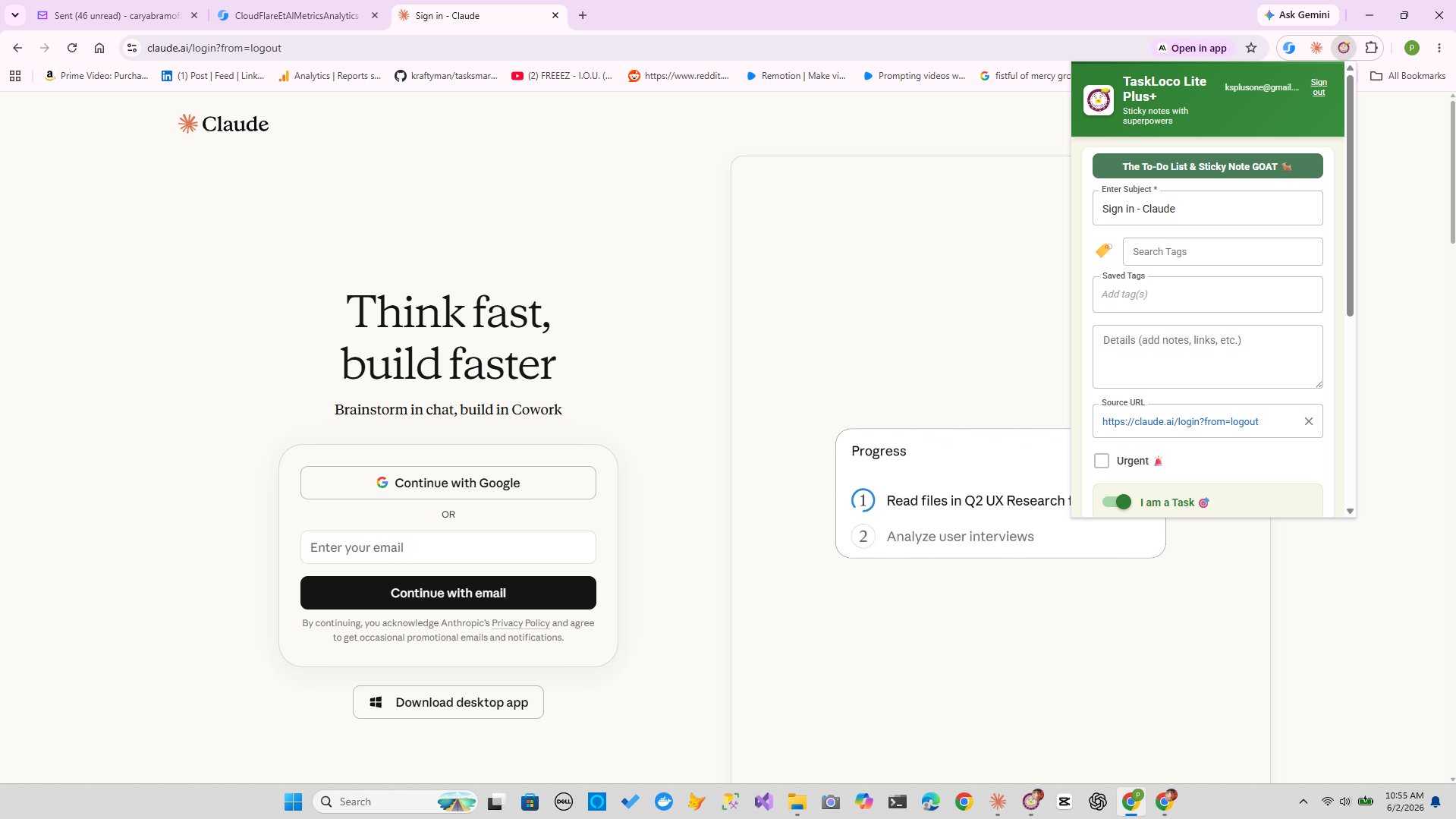
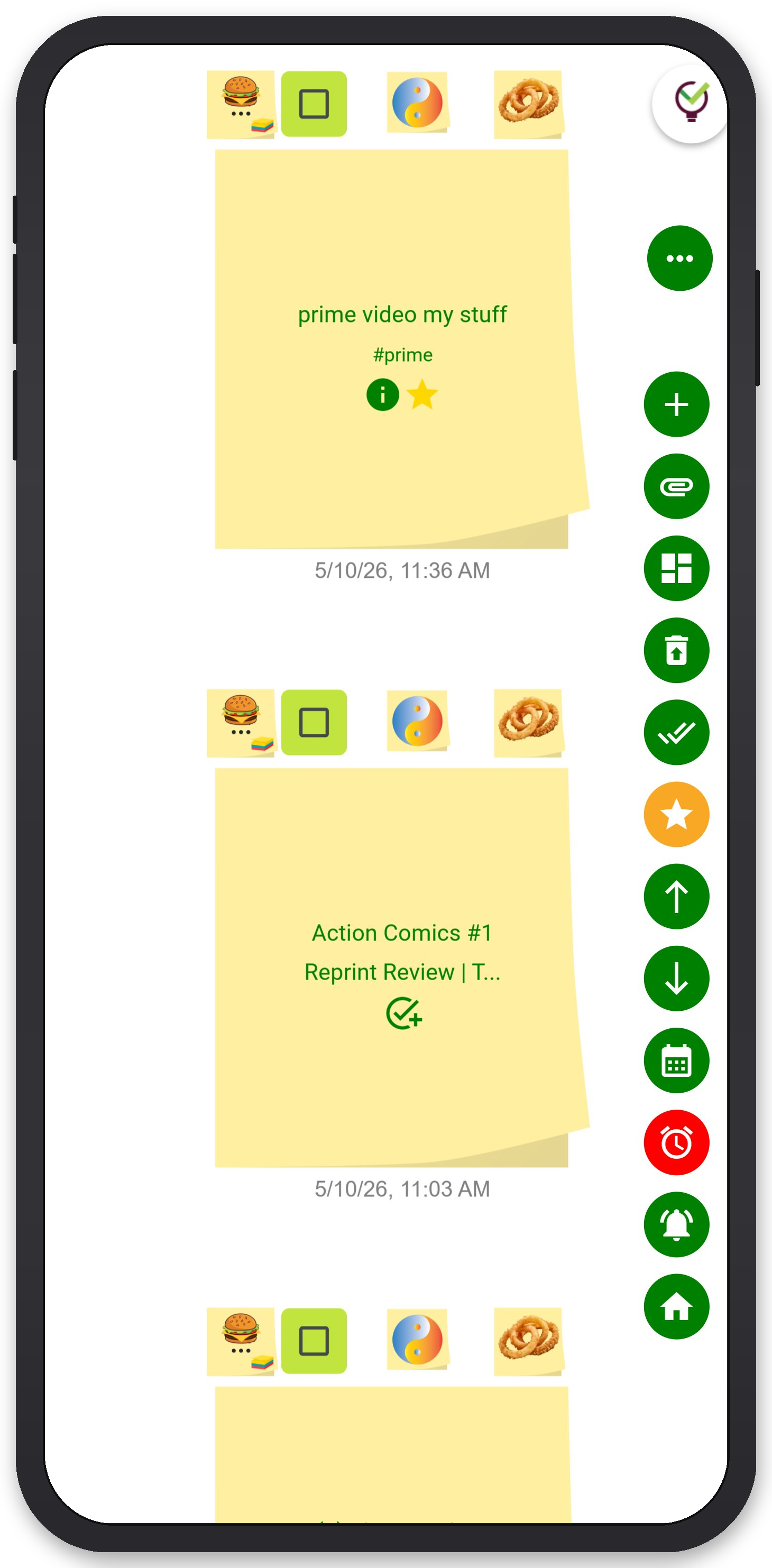
TaskLoco applies these principles by treating each note like a digital sticky note. You can quickly jot down thoughts, arrange them spatially on your screen, and they stay visible until you're ready to act. The interface maintains the immediate, low-friction feel of physical notes while adding digital benefits like search, sync, and reminders.
Whether you stick with paper or go digital, the effectiveness comes from consistent application of the underlying principles: externalize your thoughts to reduce cognitive load, use visual placement strategically, and keep the capture process as frictionless as possible.
TaskLoco Premium is regularly $9.99/month per person. Right now, charter members can lock in 50% off the regular price — forever. That means $4.99/month per person today. And if our price ever goes up, you still pay half. Always.
Code CHARTER50 auto-applies at checkout. First 500 spots only — once they're gone, this offer is gone permanently. Act fast while spots last.
Every Premium subscription includes unlimited notes, 10GB file storage, reminders, calendar, and team sharing. Each team member requires a separate subscription. 7-day free trial — no charge until day 8. Cancel anytime.
Free Options: TaskLoco
TaskLoco Lite
- Native iPhone & Android app
- Completely anonymous — no sign-in
- Data stays on your device
- Up to 20 notes
- Free forever
TaskLoco Lite Plus+
- Web app + Chrome extension
- Sign in with Google
- Wall syncs across all devices
- Up to 30 notes
- Free forever
Lock In 50% Off — Forever
7-day free trial. No charge until day 8. CHARTER50 auto-applies at checkout.
🔒 Lock In My Charter SpotSee TaskLoco in Action
Frequently Asked Questions
Why do sticky notes work better than digital reminders?
Sticky notes engage multiple memory systems — handwriting activates motor memory, their visual persistence creates spatial memory anchors, and their simplicity reduces cognitive load. Digital reminders often disappear after viewing, breaking the visual persistence that makes sticky notes so effective.
Is writing by hand really better for memory than typing?
Yes, research shows handwriting improves retention by 34% compared to typing. The slower, more deliberate process of forming letters forces your brain to actively process information rather than just transcribe it, creating stronger memory pathways.
Why are sticky notes usually bright colors like yellow and pink?
Bright colors create 'pop-out effects' that automatically capture visual attention even when you're focused on something else. Yellow, pink, and orange are particularly effective at triggering peripheral vision awareness, making reminders nearly impossible to ignore.
How do sticky notes reduce mental stress?
Sticky notes externalize information from your working memory, which can only handle about 7 pieces of information at once. When you write things down, you free up mental bandwidth for other thinking, providing immediate cognitive relief.
Can digital sticky notes be as effective as physical ones?
Digital sticky notes can be effective if they preserve the core principles: easy capture, visual persistence, spatial organization, and minimal cognitive overhead. $9.99/month per person (currently $4.99/month per person for first 500 charter members with code CHARTER50)
Where should I place sticky notes for maximum effectiveness?
Place sticky notes where you'll naturally see them during relevant activities — bathroom mirror for morning routines, computer monitor for work tasks, car dashboard for errands. Your brain creates spatial memory maps, so consistent placement in strategic locations maximizes recall.
Why don't complex productivity apps work as well as simple sticky notes?
Complex apps often create more cognitive load than they solve. You have to remember which app to use, navigate menus, categorize items correctly. Sticky notes have zero learning curve and immediate visual feedback, making them cognitively effortless to use.
Born in Brooklyn. Powered by AWS. Your data stays yours.
TaskLoco is available on iPhone, Android, Chrome, and every web browser.