You write a to-do list. You feel productive. Three days later, you find it crumpled in your pocket with half the items still unchecked. Sound familiar? You're not lazy — you're human. Traditional to-do lists fight against how your brain actually works.
The problem isn't your willpower. It's the format. Linear lists ignore visual memory, provide zero context, and offer no natural way to prioritize by urgency or importance. Your brain thinks spatially, but lists force everything into a rigid, chronological order that makes no sense for modern work.
TaskLoco Premium is regularly $9.99/month per person. Right now, charter members can lock in 50% off the regular price — forever. That means $4.99/month per person today. And if our price ever goes up, you still pay half. Always.
Code CHARTER50 auto-applies at checkout. First 500 spots only — once they're gone, this offer is gone permanently. Act fast while spots last.
Every Premium subscription includes unlimited notes, 10GB file storage, reminders, calendar, and team sharing. Each team member requires a separate subscription. 7-day free trial — no charge until day 8. Cancel anytime.
Free Options: TaskLoco vs Traditional To-Do Lists
TaskLoco Lite
- Native iPhone & Android app
- Completely anonymous — no sign-in
- Data stays on your device
- Up to 20 notes
- Free forever
TaskLoco Lite Plus+
- Web app + Chrome extension
- Sign in with Google
- Wall syncs across all devices
- Up to 30 notes
- Free forever
The Fatal Flaw: Linear Thinking in a Spatial World
Your brain doesn't think in lists. It thinks in clusters, connections, and spatial relationships. When you remember where you put something, you picture the location — not a numbered list of every item in your house.
Traditional to-do lists force everything into a single column, making urgent items visually identical to someday-maybe thoughts. Your brain can't quickly scan for what matters most because everything looks the same.
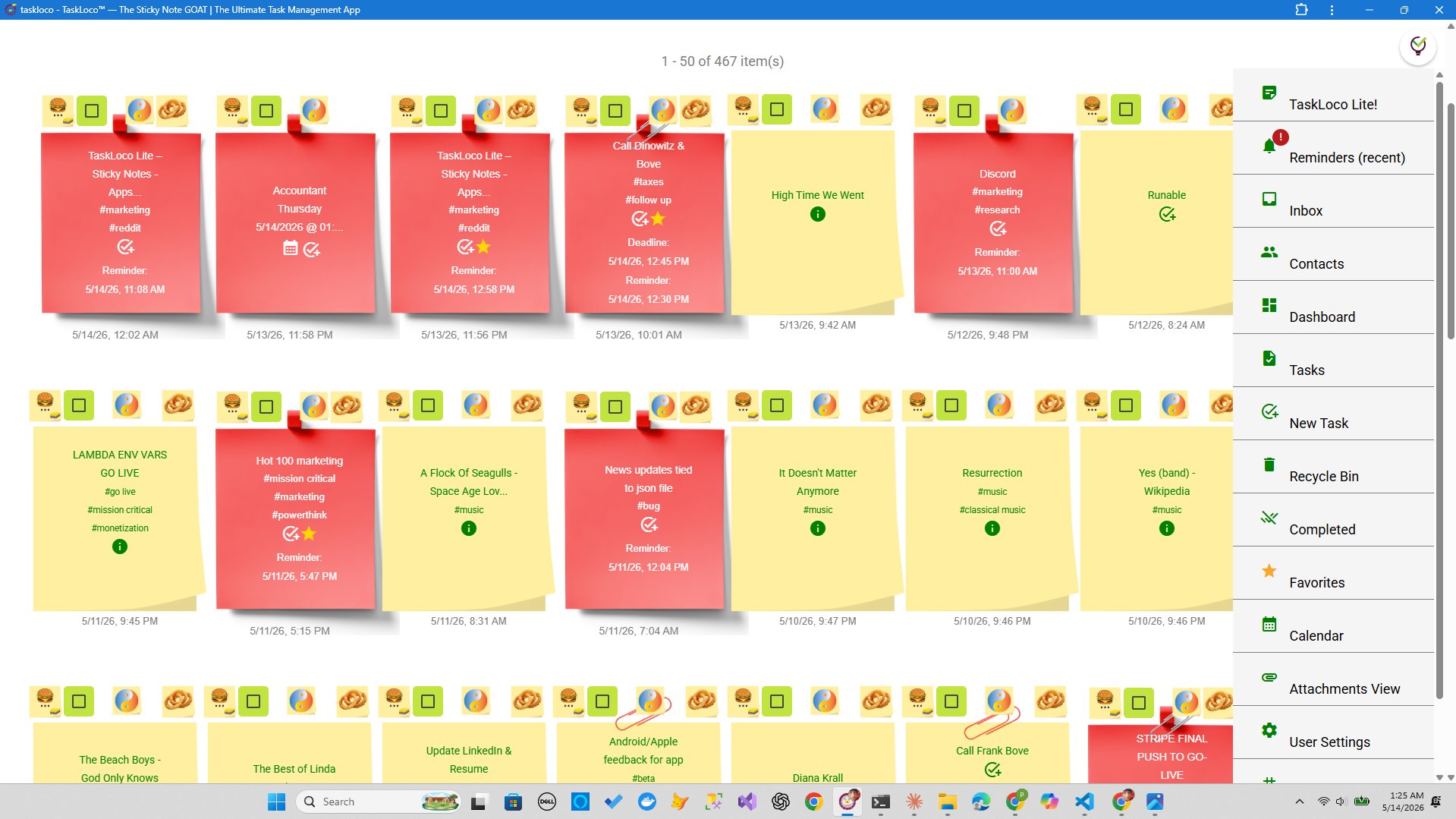
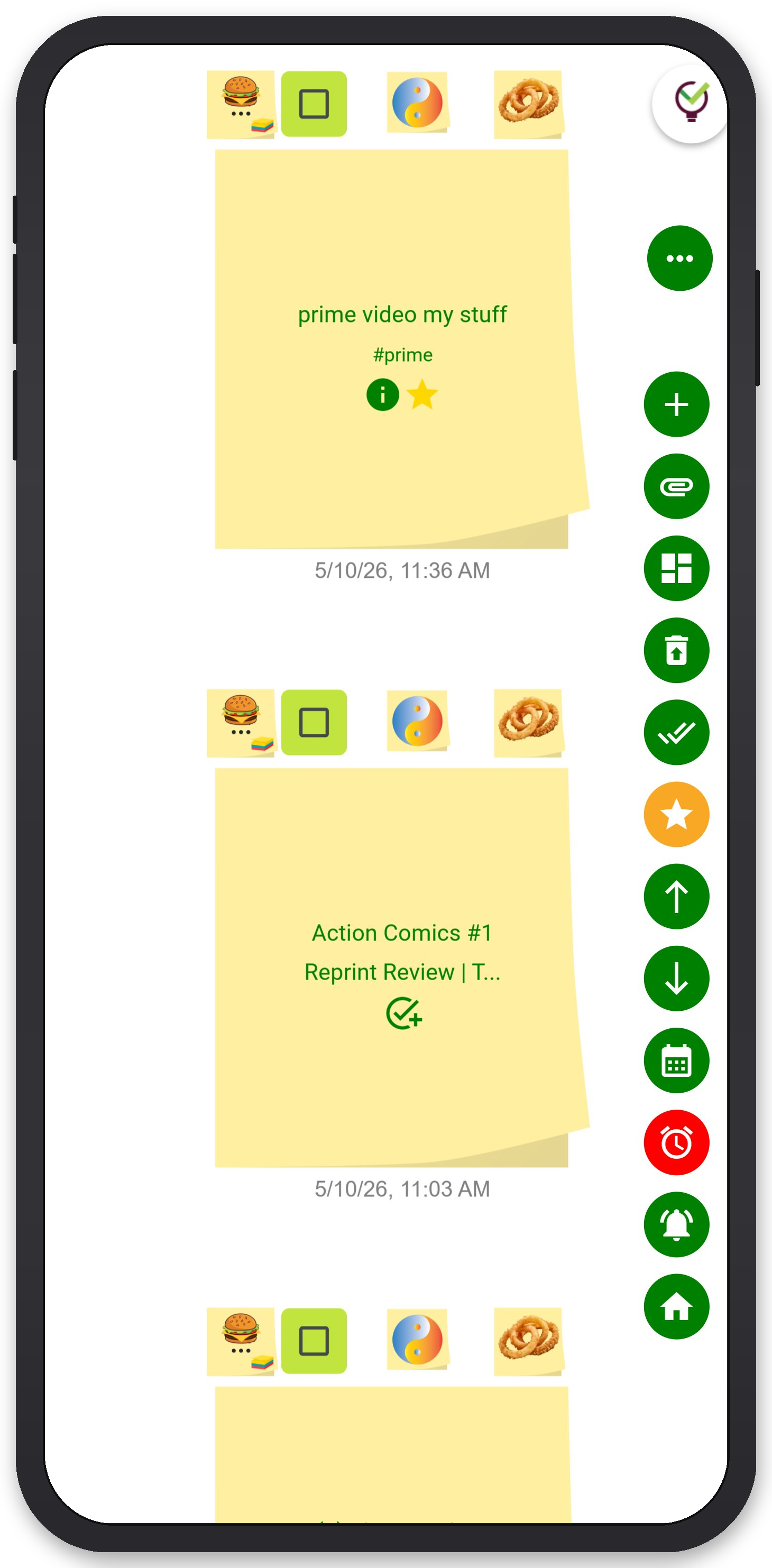
Digital sticky notes solve this by letting you arrange tasks visually. High-priority items go top-left where your eye lands first. Related tasks cluster together. Urgent deadlines get bright colors. Your workspace becomes a visual map of what needs attention, not a chronological dump of random thoughts.
The Context Problem: Tasks Without Stories
Look at this typical to-do list item: 'Call Johnson about the thing.' What thing? When did you add this? Why is it important? Traditional lists provide zero context, forcing you to decode cryptic notes you wrote three weeks ago.
This happens because linear lists encourage brevity over clarity. You're rushing to capture the thought, so you write the minimum. Later, 'Johnson' could be your client, your dentist, or that guy from the conference whose business card you can't find.
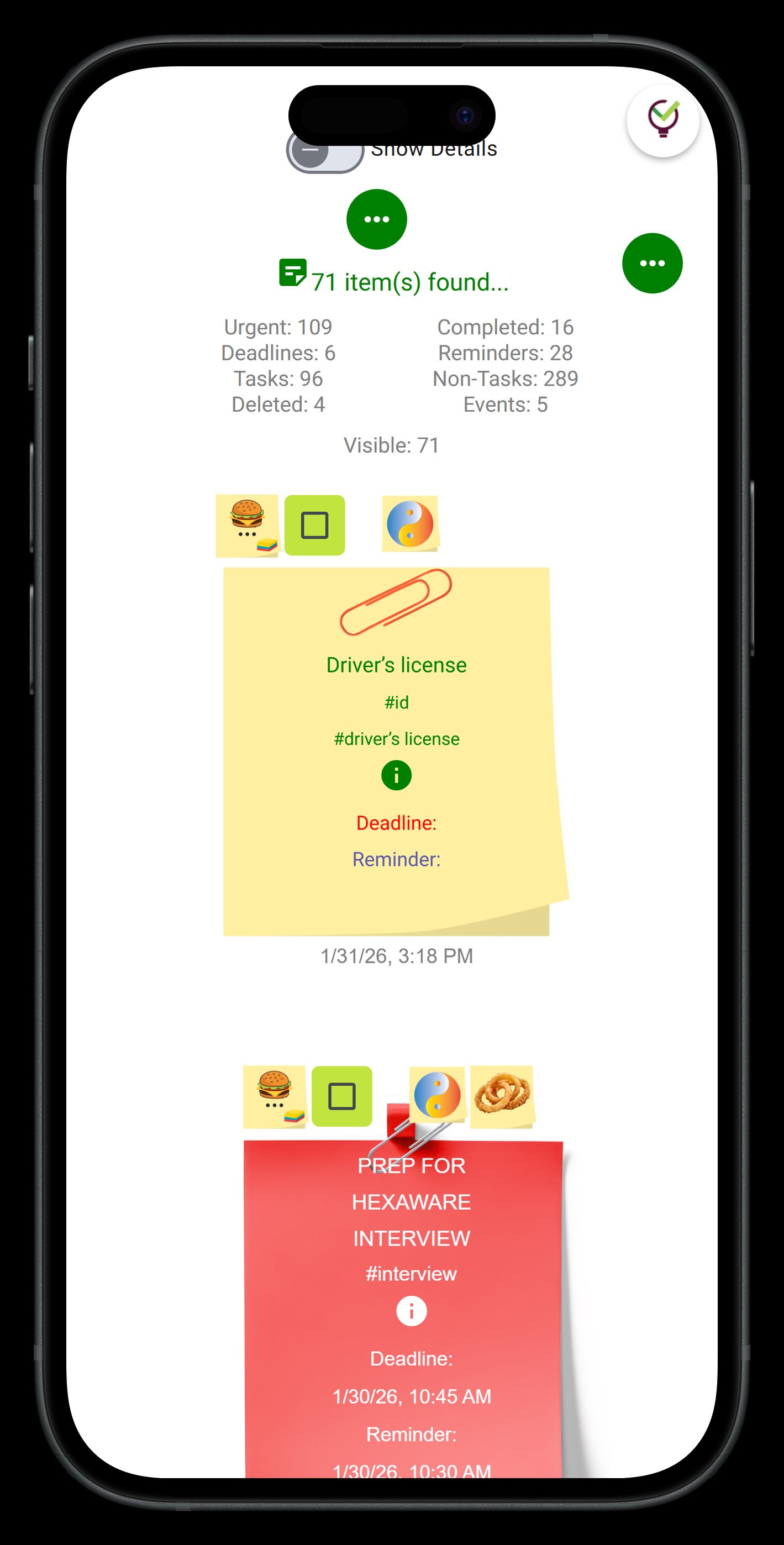
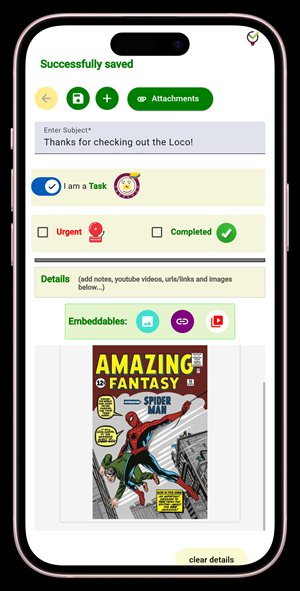
Digital sticky notes fix this with visual space and attachments. You can add details, screenshots, email threads, or documents directly to the task. The note becomes a complete story, not a cryptic headline.
Context isn't just helpful — it's the difference between productive action and paralyzed confusion. When you can see the full story at a glance, you act. When you have to decode mysterious notes, you procrastinate.
The Memory Trap: Out of Sight, Out of Mind
Here's the brutal truth about paper lists: they live in notebooks, pockets, and desk drawers. The moment you close the notebook or stuff the paper in your pocket, those tasks disappear from your working memory.
Digital lists on your phone aren't much better. How often do you actually open your to-do app? Be honest. Unless you're getting reminders, those tasks might as well be written on the moon.
This is where traditional approaches fail completely. They rely on you remembering to remember. But if you had perfect memory, you wouldn't need the list in the first place.
The best productivity system is the one that works without you having to think about it. Visible notes + automatic reminders = tasks that actually get done, not just written down.
The Solution: Visual Task Management That Matches Your Brain
The reason sticky notes dominated office walls for decades isn't nostalgia — it's because they work with your brain instead of against it. You can see everything at once, group related items, and use color coding for instant priority recognition.
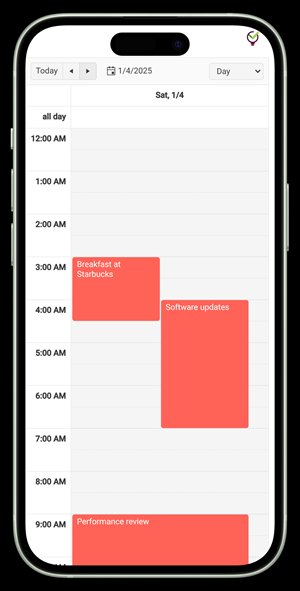
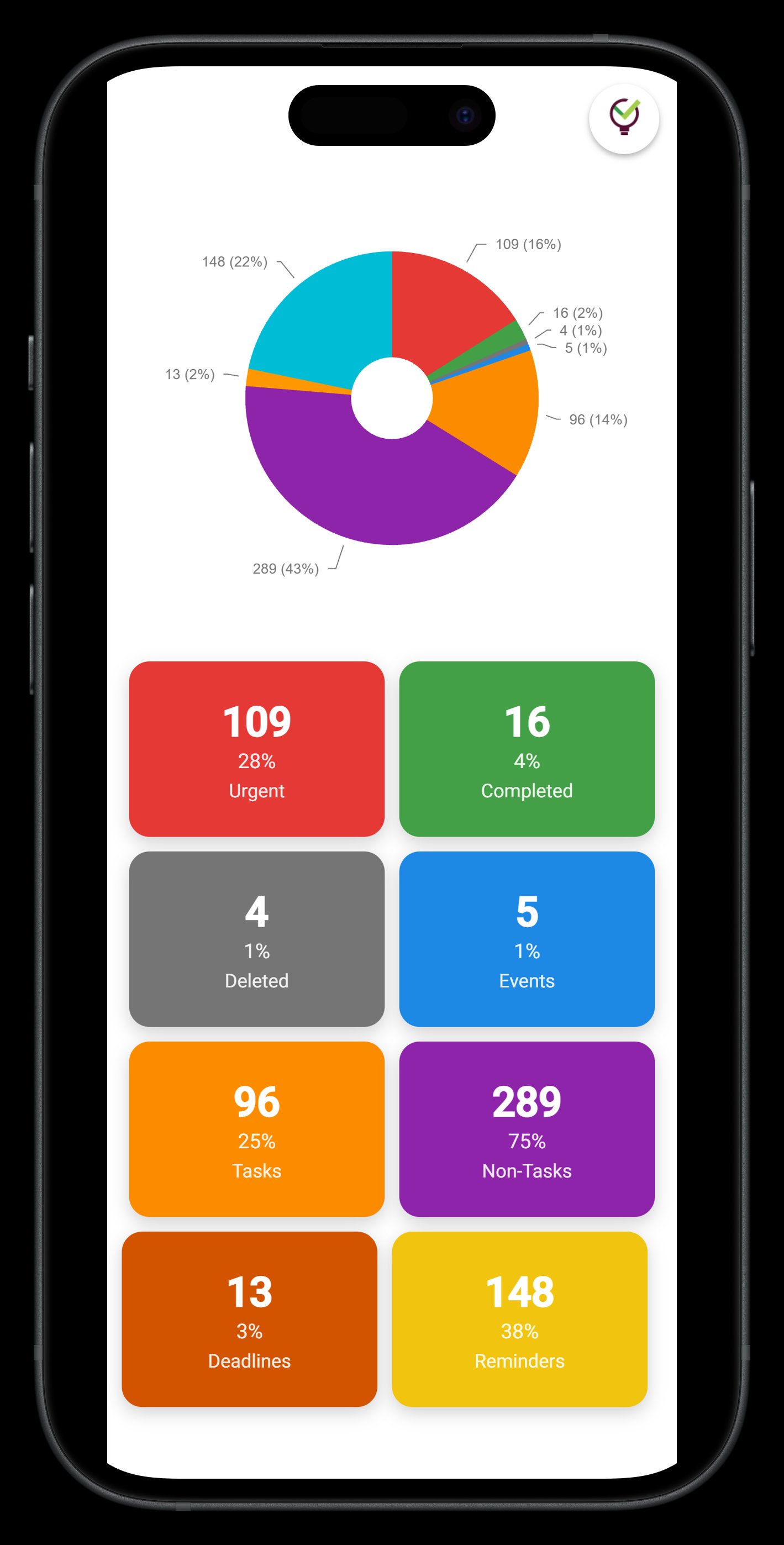
Digital sticky notes take this natural system and add the features paper can't: automatic reminders, file attachments, team sharing, and sync across all your devices. You get the visual benefits of physical notes plus the power of modern technology.
TaskLoco offers three tiers: Lite (completely anonymous, works offline, 20 notes max), Lite Plus+ (syncs across devices, 30 notes max), and Premium (unlimited notes, reminders, file storage, team sharing). Even the free versions work better than traditional lists because they're visual and always accessible.
Stop fighting your brain's natural way of processing information. Linear lists might look organized, but visual organization actually gets things done.
The Honest Comparison
| Feature | TaskLoco | Traditional To-Do Lists |
|---|---|---|
| Visual organization | Spatial arrangement, color coding, visual grouping FREE | Linear list format only |
| Context and attachments | 10GB file storage, embed photos, documents, full context | Text only, no attachments |
| Automatic reminders | Built-in reminders with Premium | Manual checking required |
| Always visible | Desktop widget, phone dashboard, constant visibility FREE | Hidden in notebook or drawer |
| Cross-device sync | Syncs across all devices with Lite Plus+ and Premium FREE | Paper doesn't sync |
| Team collaboration | Real-time sharing with Premium | No sharing capability |
| Search functionality | Full-text search across all notes and attachments | Manual scanning only |
| Backup and recovery | Automatic cloud backup FREE | Lost if paper is lost |
| Zero learning curve | Familiar sticky note interface FREE | Familiar paper format |
| Offline access | TaskLoco Lite works completely offline FREE | Always works offline |
| Battery life | Requires device power | No power required |
| Instant capture | Quick note creation, Chrome extension for web capture FREE | Fast with pen and paper |
| Durability | Cloud storage, never lost FREE | Can be damaged or lost |
| Priority visualization | Color coding, spatial arrangement for priority FREE | Limited visual hierarchy |
| Calendar integration | Built-in calendar view with Premium | No calendar functionality |
Who Should Use Each
Use TaskLoco if…
- You want visual task organization that matches how your brain actually works
- You need automatic reminders so important tasks find you instead of waiting to be found
- You want context and attachments with every task, not cryptic one-line notes
- You work across multiple devices and need everything synced
- You prefer the familiar sticky note interface over complex project management tools
Use Traditional To-Do Lists if…
- You prefer the immediate tactile feedback of writing with pen and paper
- You work in environments where digital devices aren't practical or allowed
- You want the absolute fastest capture method and don't mind losing context later
- You never need to share tasks with others or work across multiple devices
Lock In 50% Off — Forever
7-day free trial. No charge until day 8. CHARTER50 auto-applies at checkout.
🔒 Lock In My Charter SpotSee TaskLoco in Action
Frequently Asked Questions
Why don't traditional to-do lists work?
Traditional lists fight against how your brain naturally processes information. They force spatial thinkers into linear formats, provide no visual hierarchy for priority, and offer zero context for action. Your brain thinks in clusters and connections, but lists present everything as equally important chronological items.
How are digital sticky notes different from regular to-do apps?
Digital sticky notes use spatial, visual organization instead of linear lists. You can arrange tasks by priority, group related items, use color coding, and see everything at once. Most to-do apps just digitize the broken list format without fixing the underlying problems.
Do I need to pay for TaskLoco to get visual organization?
No. Both TaskLoco Lite (completely free, works offline) and Lite Plus+ (free with Google sign-in) provide visual sticky note organization. Premium adds unlimited notes, reminders, file storage, and team sharing, but the core visual benefits work in all versions.
Can I still capture tasks quickly with digital sticky notes?
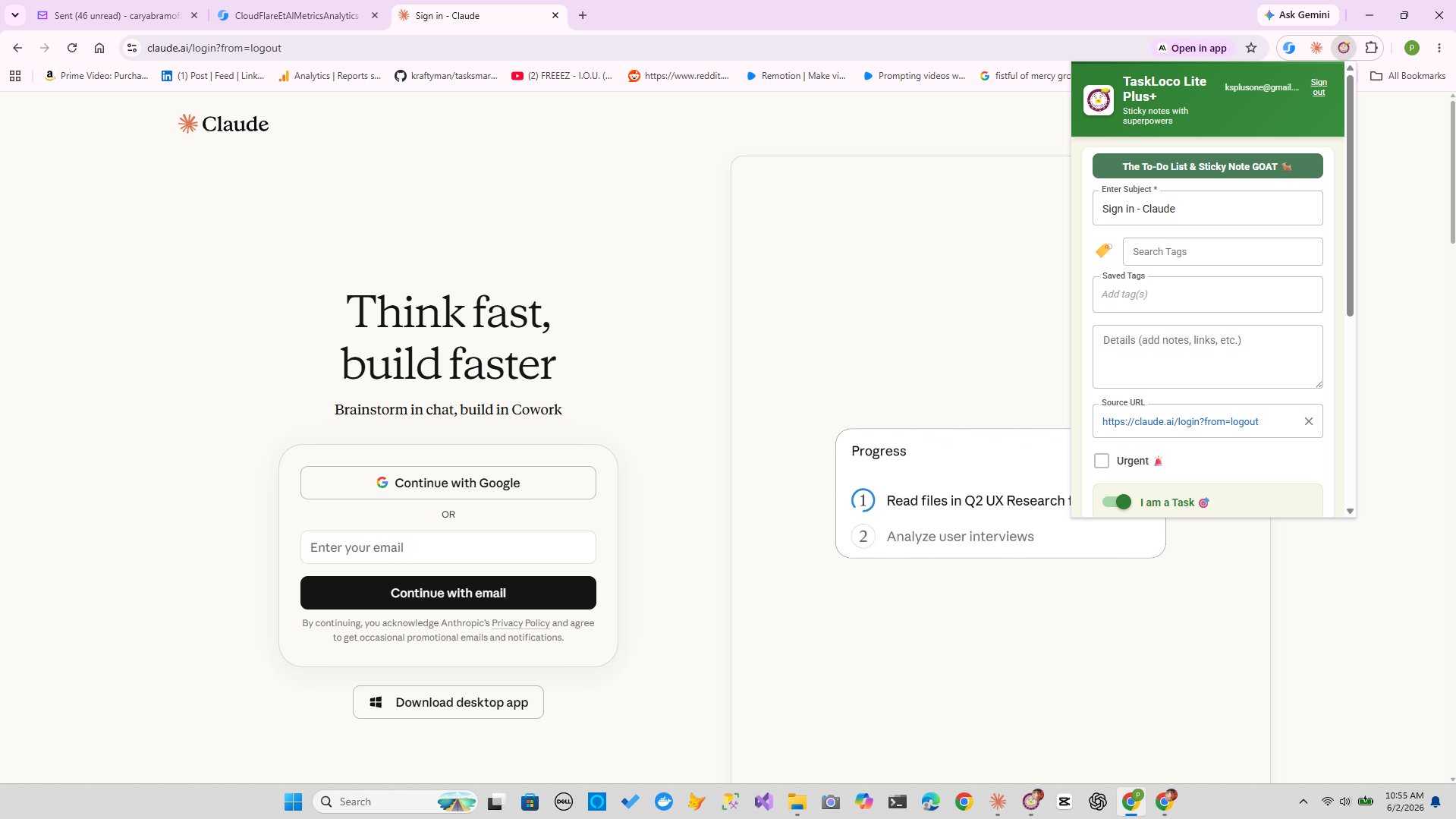
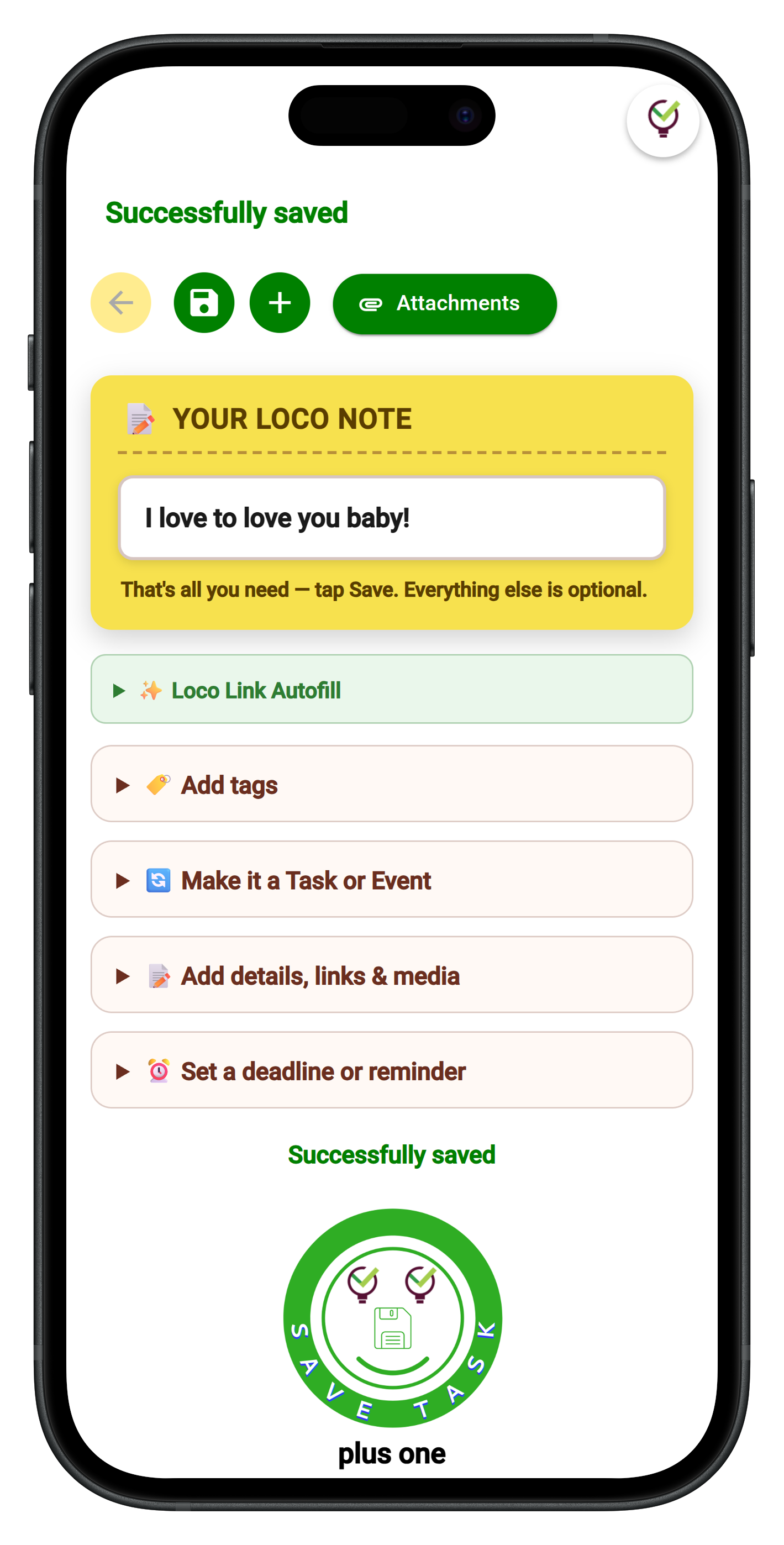
Yes. TaskLoco has quick note creation on desktop and mobile, plus a Chrome extension that captures any webpage in one click. You can type or voice-to-text new notes instantly, then organize them visually later.
What if I prefer writing by hand?
Handwriting has immediate tactile feedback that many people prefer. If you work primarily offline, stay in one location, and don't need reminders or sharing, paper might work better. But if you want the best of both worlds, TaskLoco lets you attach photos of handwritten notes to digital sticky notes.
How much does TaskLoco cost compared to paper lists?
$9.99/month per person (currently $4.99/month per person for first 500 charter members with code CHARTER50)
Will switching from lists to visual organization actually make me more productive?
Visual organization aligns with how your brain naturally processes information. When you can see priority at a glance, group related tasks, and get automatic reminders, you spend less time decoding mysterious notes and more time taking action. Most people see immediate improvement in task completion rates.
Born in Brooklyn. Powered by AWS. Your data stays yours.
TaskLoco is available on iPhone, Android, Chrome, and every web browser.