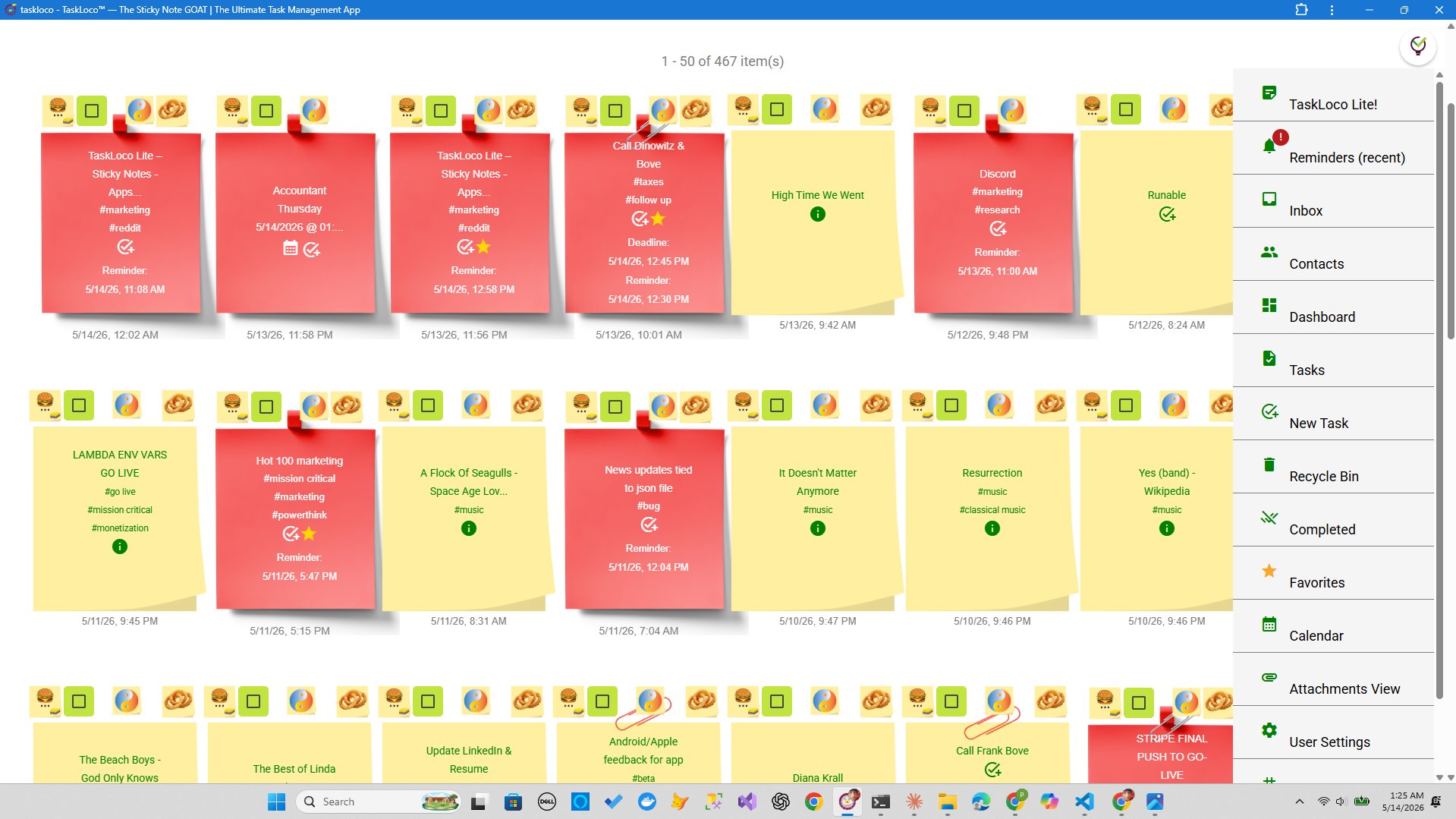
Your grandmother was right. Writing things down really does help you remember better. But she probably didn't know why — and she definitely didn't have access to the neuroscience research that proves it.
Studies show that the simple act of putting pen to paper (or finger to screen) activates your brain's reticular activating system, the same network that helps you notice red cars everywhere after you buy one. When you write something down, your brain literally rewires itself to prioritize that information. The question isn't whether writing works — it's how to get the benefits without drowning in paper scraps.
TaskLoco Premium is regularly $9.99/month per person. Right now, charter members can lock in 50% off the regular price — forever. That means $4.99/month per person today. And if our price ever goes up, you still pay half. Always.
Code CHARTER50 auto-applies at checkout. First 500 spots only — once they're gone, this offer is gone permanently. Act fast while spots last.
Every Premium subscription includes unlimited notes, 10GB file storage, reminders, calendar, and team sharing. Each team member requires a separate subscription. 7-day free trial — no charge until day 8. Cancel anytime.
Free Options: TaskLoco vs Pen and Paper
TaskLoco Lite
- Native iPhone & Android app
- Completely anonymous — no sign-in
- Data stays on your device
- Up to 20 notes
- Free forever
TaskLoco Lite Plus+
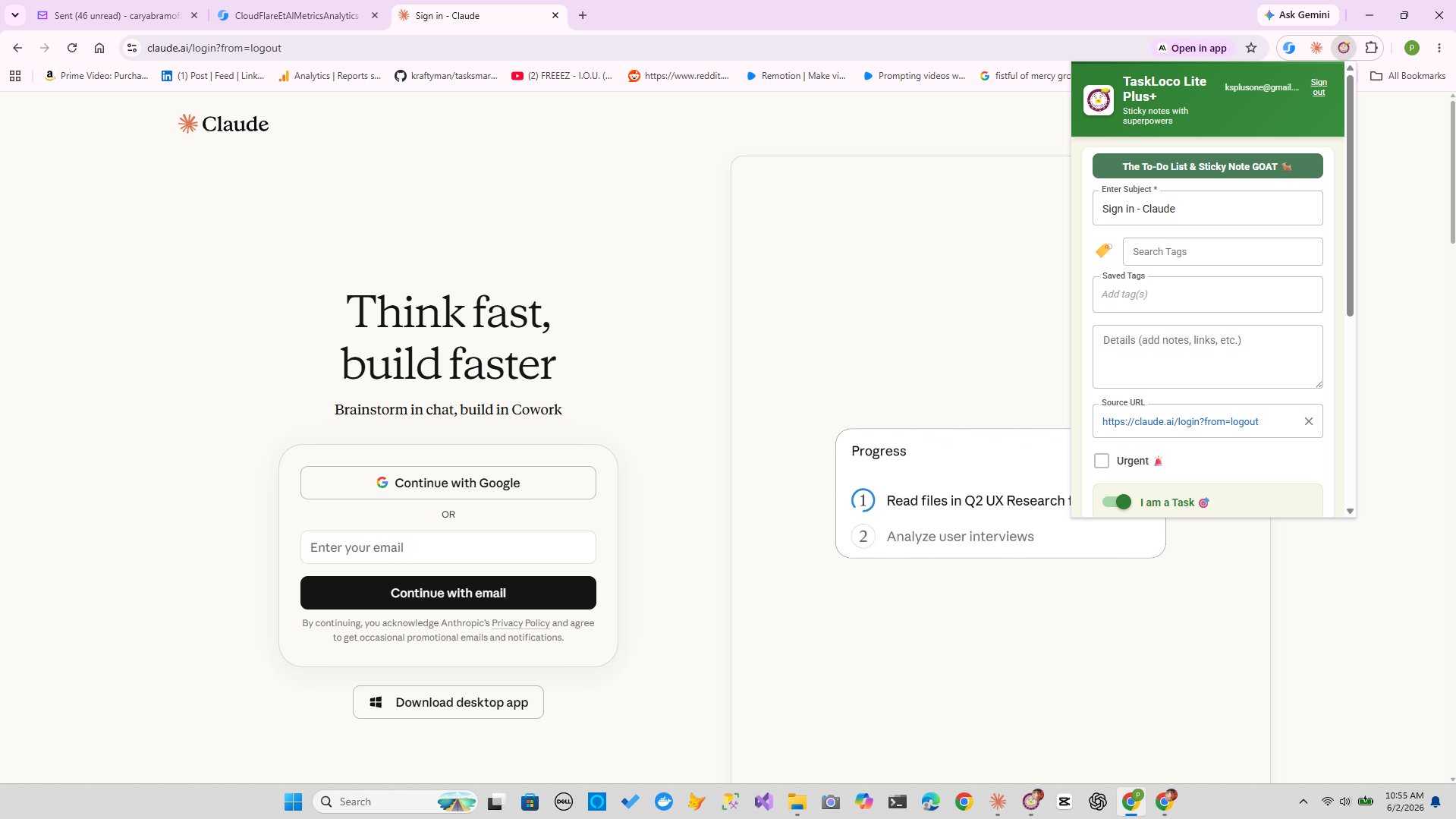
- Web app + Chrome extension
- Sign in with Google
- Wall syncs across all devices
- Up to 30 notes
- Free forever
The Neuroscience: What Happens When You Write
Dr. Pam Mueller's research at Princeton revealed something fascinating: students who took handwritten notes scored 42% higher on comprehension tests than those who typed. The difference wasn't just about retention — it was about understanding.
When you write by hand, your brain engages three distinct systems simultaneously: motor cortex (physical movement), visual cortex (watching the words form), and cognitive processing (thinking about what to write). This triple activation creates what neuroscientists call 'embodied cognition' — your body literally helps your brain think.
The physical act of forming letters, whether with pen or finger, slows you down just enough to force deeper processing. You can't mindlessly transcribe like you might when typing. You have to think, summarize, and prioritize. That's the secret sauce.
Digital tools that mimic this handwriting experience — like TaskLoco's touch-friendly interface — preserve the cognitive benefits while adding modern conveniences like search and sync that paper simply can't provide.
Why Your To-Do Lists Keep Failing (And How to Fix Them)
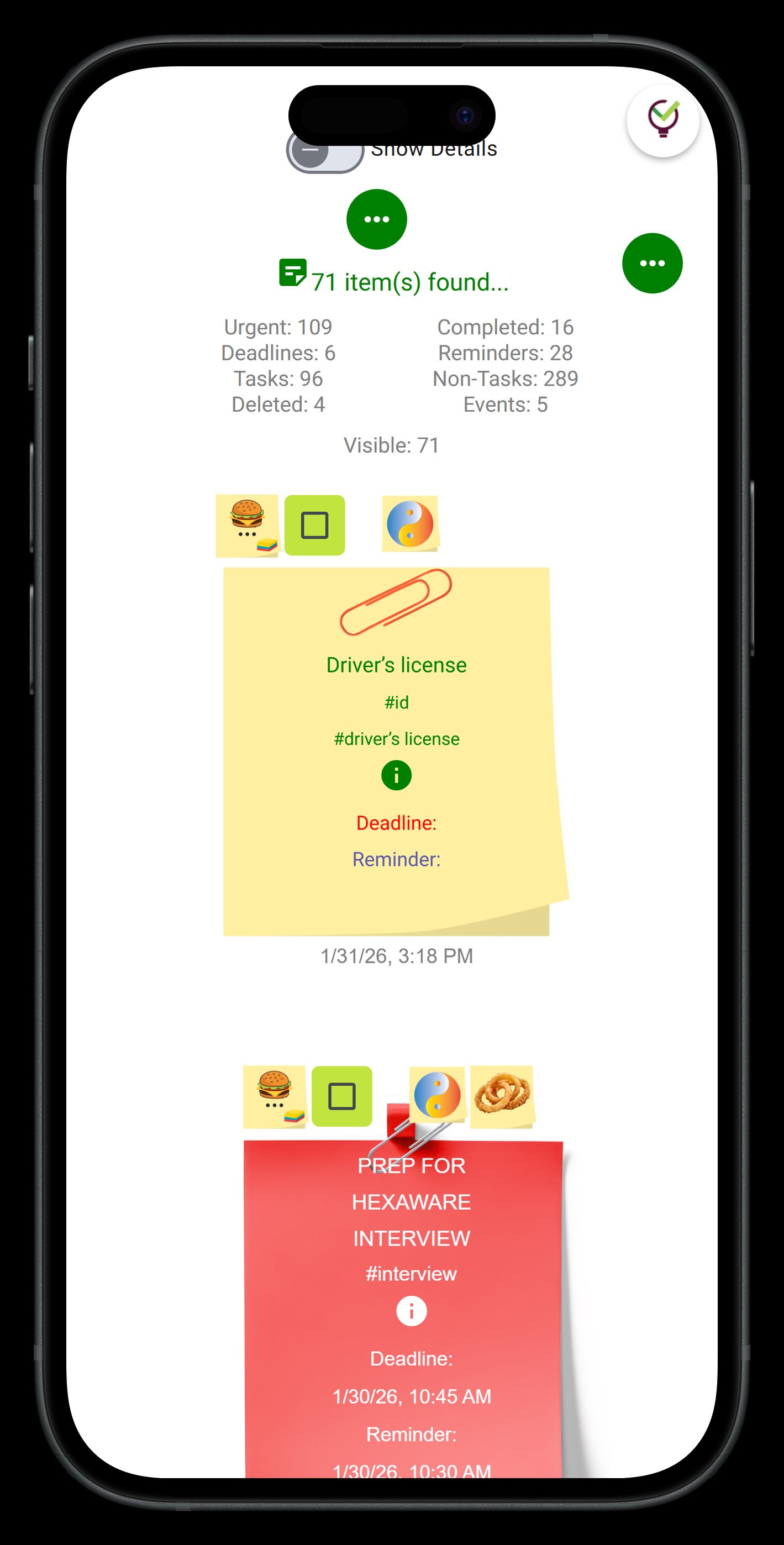
Here's the brutal truth about most to-do lists: they're designed to fail. You scribble tasks on random scraps, lose the paper, then wonder why nothing gets done. Or you dump everything into a complex app that becomes another source of stress instead of relief.
The problem isn't your motivation — it's your system. Effective task management requires three elements that traditional paper can't provide: persistence (tasks don't disappear), accessibility (available everywhere), and smart reminders (proactive nudges when you need them).
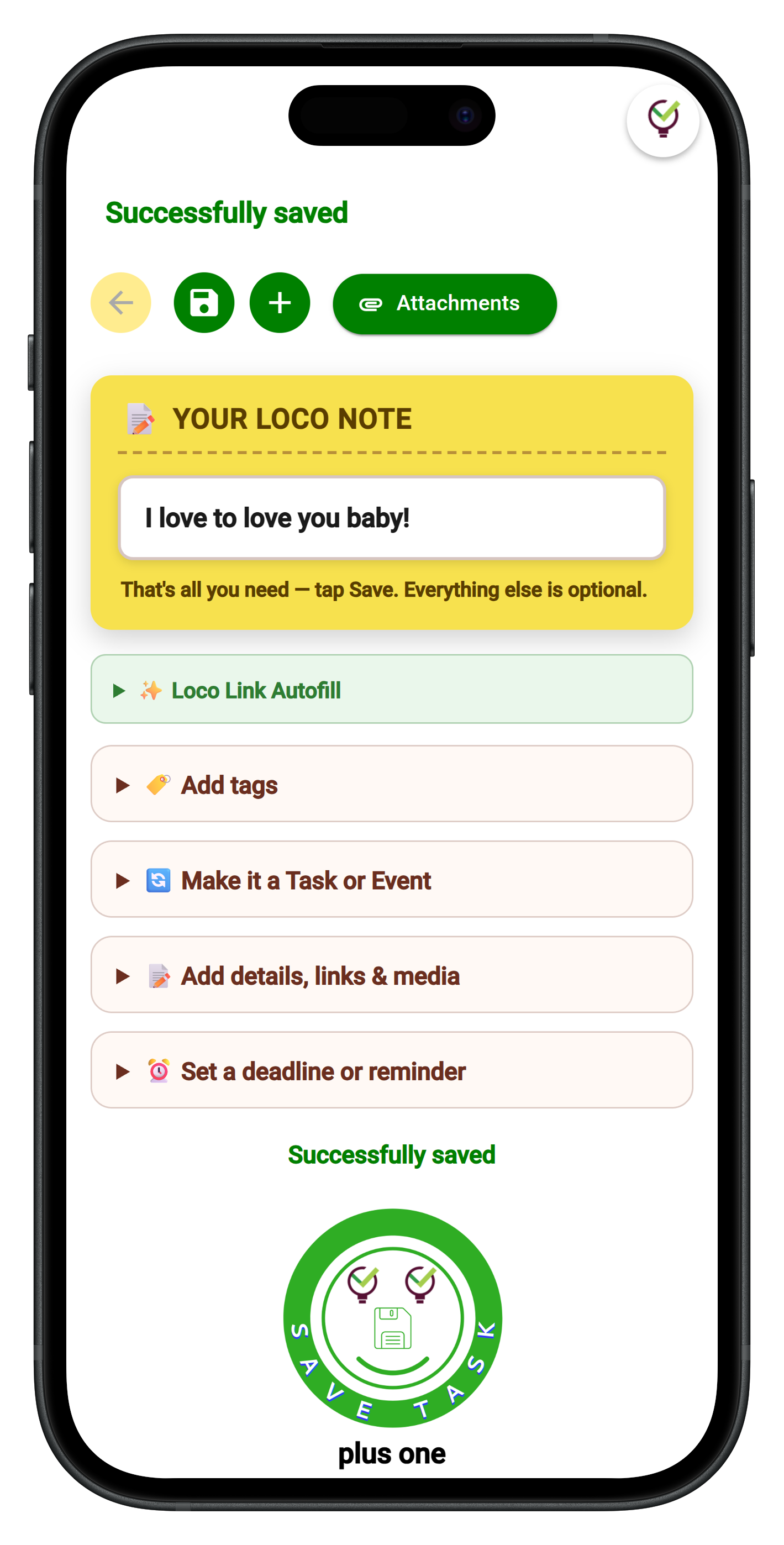
TaskLoco solves this with digital sticky notes that work like paper but stick around. Write a task on your phone, and it syncs to your laptop automatically. Set a reminder, and it'll ping you at exactly the right moment. Attach a file or photo for context. Your handwritten note becomes a smart, persistent reminder system.
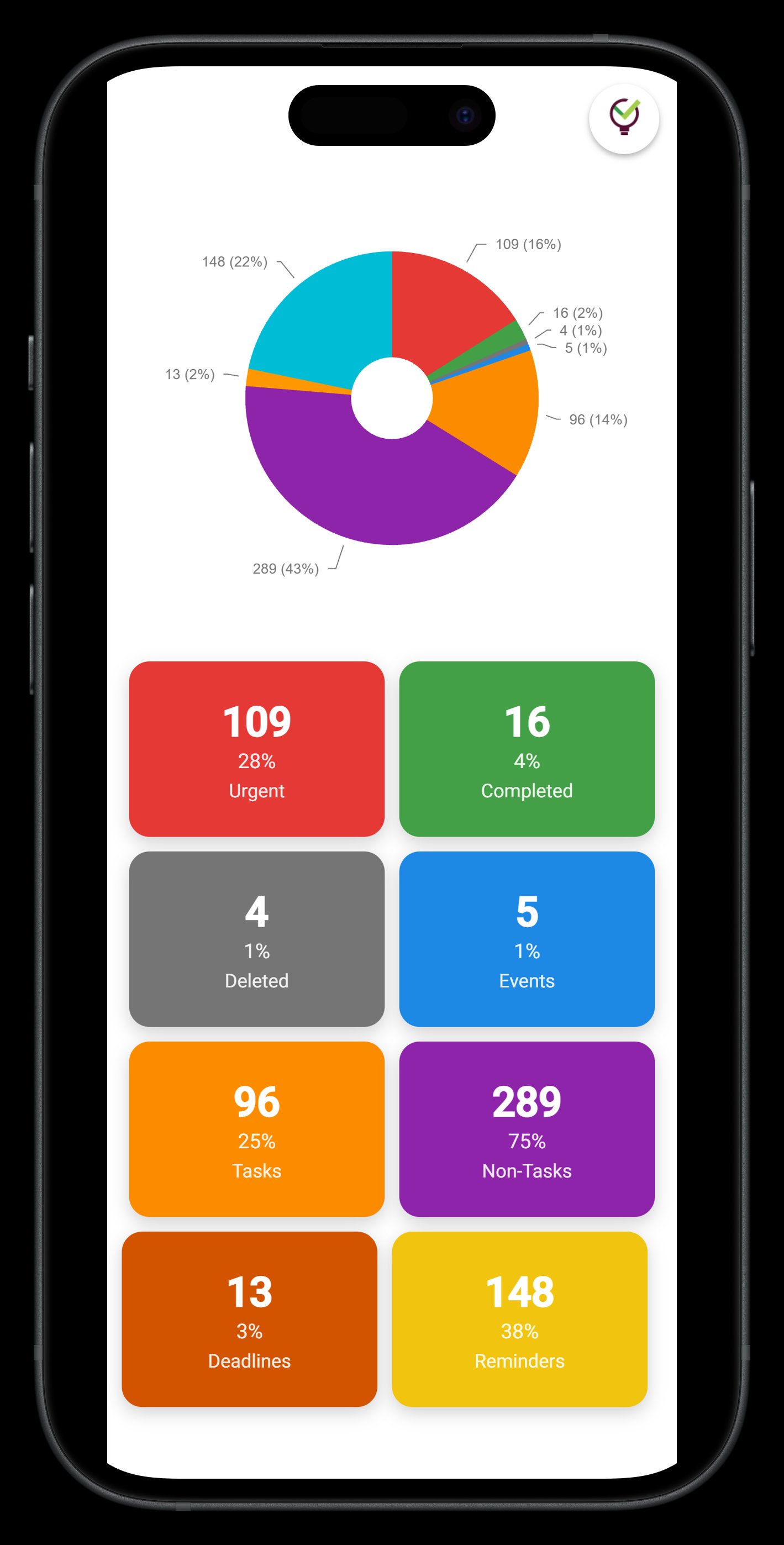
Unlike paper, which offers no feedback loop, digital notes can track completion patterns and help you identify what actually gets done versus what just gets written down repeatedly.
The File Attachment Problem Paper Can't Solve
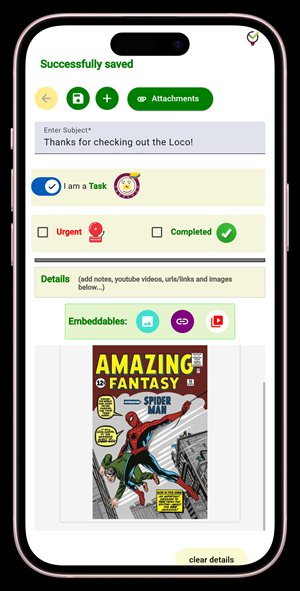
Paper has a fundamental limitation: it can't hold your files. You write 'Review contract' on a sticky note, but the actual PDF lives somewhere else. By the time you remember to look for it, you've already missed three deadlines and forgotten why the task mattered.
TaskLoco's Premium plans include 10GB of file storage directly attached to your notes. Snap a photo of a business card and attach it to your 'Follow up with Sarah' reminder. Drag that important PDF right into your 'Review by Friday' task. Everything stays together, searchable, and accessible from any device.
This isn't just convenience — it's cognitive load reduction. When all the context lives with the task, your brain doesn't have to maintain multiple threads. You can focus on doing the work instead of remembering where you put the work.
Compare this to paper systems where people often write tasks like 'Check email about project X' because they can't attach the actual email to the note. Digital integration eliminates this disconnect entirely.
Digital Wins: What Paper Will Never Do
Paper advocates love to talk about the tactile satisfaction of crossing things off lists. Fair enough. But they conveniently ignore paper's massive blind spots: no search, no backup, no reminders, no sharing, and no way to track patterns over time.
TaskLoco preserves the cognitive benefits of writing while eliminating paper's limitations. Full-text search across all notes and attachments means you can find that crucial detail from three months ago in seconds. Automatic sync means your phone dying doesn't destroy your entire task system.
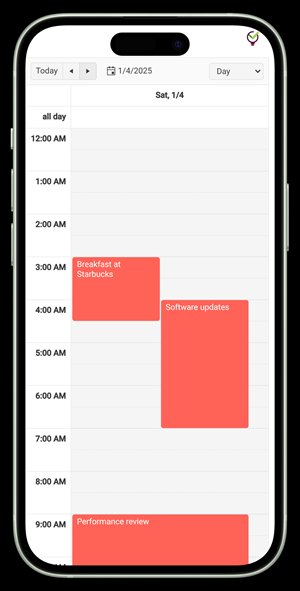
The calendar view shows your tasks in time context — something impossible with scattered paper notes. Team sharing means everyone stays on the same page without endless email chains about who's doing what. And completion tracking helps you identify productivity patterns that paper users miss entirely.
Most importantly, digital notes are persistent and proactive. Paper is passive — it sits there hoping you'll remember to look. TaskLoco actively reminds you when things matter, creating a system that works with your brain instead of against it.
The Honest Comparison
| Feature | TaskLoco | Pen and Paper |
|---|---|---|
| Memory retention benefits | Full handwriting cognitive benefits via touch interface | Maximum cognitive benefits from physical writing |
| Cost | $9.99/month per person (currently $4.99/month per person for first 500 charter members with code CHARTER50) | Essentially free (cost of paper and pens) |
| Search functionality | Full-text search across all notes and attachments | None — must manually scan through papers |
| Backup and recovery | Automatic cloud backup, never lose data | None — lose paper, lose everything |
| Reminders | Smart reminders with custom timing | None — purely passive system |
| File attachments | 10GB storage for documents, photos, files | Cannot attach digital files to paper |
| Cross-device sync | Instant sync across phone, computer, tablet | None — paper stays where you left it |
| Team sharing | Yes — included with Premium. Each team member requires a separate subscription — currently $9.99/month per person, but TaskLoco is offering a Charter Member special: 50% off for life, currently $4.99/month per person for the first 500 subscribers with code CHARTER50. | Must photocopy or manually transcribe |
| Environmental impact | Zero paper waste, digital-only FREE | Continuous paper and ink consumption |
| Durability | Cannot be lost, damaged, or destroyed | Can be lost, damaged by water/fire/wear |
| Accessibility | Available anywhere with internet connection | Only available where you physically left it |
| Pattern tracking | Analytics on completion rates and productivity trends | No tracking — purely manual observation |
| Immediate availability | Requires device startup and internet connection | Instant — just grab pen and paper |
| Battery dependency | Requires charged device to access | Works regardless of power availability |
| Tactile satisfaction | Some tactile feedback via touchscreen | Full tactile experience of pen on paper |
| Distractions | Potential for app notifications and digital distractions | Zero digital distractions while writing |
| Learning curve | Requires familiarity with app interface | Universal familiarity — everyone knows pen and paper |
| Offline access | TaskLoco Lite works completely offline (20 notes max) FREE | Always works offline |
| Privacy concerns | Data stored on third-party servers | Complete privacy — data never leaves your possession |
| Customization | Limited to app's design and color options | Unlimited — any paper size, color, layout |
Who Should Use Each
Use TaskLoco if…
- You want the cognitive benefits of writing with digital convenience
- You need to attach files and photos to your tasks for context
- You work across multiple devices and need instant sync
- You want smart reminders and calendar integration
- You need to share tasks and notes with team members
- You prefer searchable, backed-up notes over paper scraps
Use Pen and Paper if…
- You want maximum cognitive benefits from physical handwriting
- You prefer zero digital distractions while planning
- You need immediate access without device dependency
- You want complete privacy with no cloud storage
- You enjoy the full tactile experience of pen on paper
- You're working in environments where digital devices aren't practical
Lock In 50% Off — Forever
7-day free trial. No charge until day 8. CHARTER50 auto-applies at checkout.
🔒 Lock In My Charter SpotSee TaskLoco in Action
Frequently Asked Questions
Does digital note-taking provide the same memory benefits as handwriting?
Research shows that touch-based digital writing (like on smartphones and tablets) preserves many of the cognitive benefits of handwriting, especially when you're actively thinking about what to write rather than just transcribing. TaskLoco's interface is designed to encourage this thoughtful engagement.
Why do handwritten notes help with memory more than typing?
Handwriting activates multiple brain regions simultaneously — motor cortex, visual cortex, and cognitive processing areas. This creates stronger neural pathways and forces you to process information more deeply than rapid typing, which often becomes mindless transcription.
Can I get TaskLoco's benefits without paying for Premium?
Yes. TaskLoco Lite (completely free, 20 notes, offline-only) and Lite Plus+ (free, 30 notes, synced) both preserve the core cognitive benefits of writing things down. Premium adds reminders, file attachments, unlimited notes, and team sharing.
How much does TaskLoco cost compared to paper and pens?
$9.99/month per person (currently $4.99/month per person for first 500 charter members with code CHARTER50) While paper seems free, most people spend $50-100 yearly on notebooks, sticky notes, and pens — plus the hidden cost of losing important notes. TaskLoco eliminates that loss risk entirely.
Do I need internet connection to use TaskLoco like paper?
TaskLoco Lite works completely offline with no account required, storing up to 20 notes directly on your device. For syncing across devices, Lite Plus+ and Premium require internet connection, unlike paper which is always accessible.
Can TaskLoco replace my paper notebook completely?
For most people, yes. TaskLoco provides the cognitive benefits of handwriting plus digital advantages like search, backup, reminders, and file attachments. However, some prefer paper for focused thinking sessions without digital distractions.
What happens to my notes if TaskLoco shuts down?
Unlike paper that can be lost or destroyed, TaskLoco provides export functionality so you maintain access to your data. TaskLoco Lite stores notes locally in JSON format, giving you complete control over your data without any cloud dependency.
Born in Brooklyn. Powered by AWS. Your data stays yours.
TaskLoco is available on iPhone, Android, Chrome, and every web browser.