Open your browser tabs. Check your notes app. Look at that folder on your desktop. Somewhere in there is a half-written report, a business idea with three bullet points, a course you paid for and opened twice, a home project with parts still in the Amazon box. You're not lazy. You're not disorganized. You're the victim of a very specific trap — and once you see it, you can't unsee it.
The trap is this: starting feels like progress. The moment you create a note, name a folder, or buy the supplies, your brain logs a partial reward. The project feels started. But without a visible, concrete next action attached to it, that project is already dying. It will sit there, half-alive, quietly draining your mental energy every time you glimpse it — until you either force it to completion or quietly give up. This article is about forcing it to completion.
Why Projects Stall: The Real Mechanics
Most productivity advice blames lack of discipline. That's wrong, and it's also not useful. Half-finished projects stall for structural reasons — reasons that repeat themselves with almost mechanical consistency once you know what to look for.
1. No defined next action. David Allen figured this out decades ago and it still holds: a project without a next physical action is not a project, it's a wish. "Finish the website" is not an action. "Write the three bullet points for the About page" is. The moment you blur that line, the project stalls.
2. The project lives in one place, the materials live somewhere else. You have the idea in a notes app, the research in a browser bookmark, the draft in a Google Doc, and the reference image saved to your camera roll. Every time you try to work on it, you spend five minutes reassembling context before you can do anything — and that friction compounds until you just don't open it anymore.
3. No deadline, no urgency. Urgent things displace important things. A project with no external deadline will always lose to the thing someone is waiting on right now. Without intentional scheduling, personal projects get postponed indefinitely.
4. The project list is invisible. If your half-finished work is buried in a notes file you rarely open, a task app with 200 items, or — the worst — just in your head, it will never compete for your attention effectively. Out of sight genuinely means out of mind.
The Fix: A Five-Step Unstalling System
You don't need a new app to do this. You need a process. Run this once on your pile of half-finished work and then make it a weekly habit.
Step 1: Do a full capture. Set a timer for 20 minutes. Write down every unfinished project you're aware of — personal, professional, creative, anything. Don't evaluate. Don't organize. Just get it all out of your head and onto one list. The goal here is to stop letting unfinished work live rent-free in your mental RAM.
Step 2: Kill or commit, no middle ground. Go through the list and make a binary decision on each item. Either you are genuinely going to finish it — in which case it earns a place in your system — or you're not, and you delete it, archive it, or formally cancel it. "Maybe someday" is not a category. That's where projects go to haunt you forever. Be honest. Cancelled projects don't disappear — they stop draining you.
Step 3: Write one next action for every survivor. For every project you committed to, write a single, concrete, physical next action. Not a goal. Not a phase. An action. "Draft the first paragraph." "Email Marcus to confirm the date." "Open the Figma file and move the nav bar." One action. If you can't think of one, that's your problem to solve before the project re-enters your system.
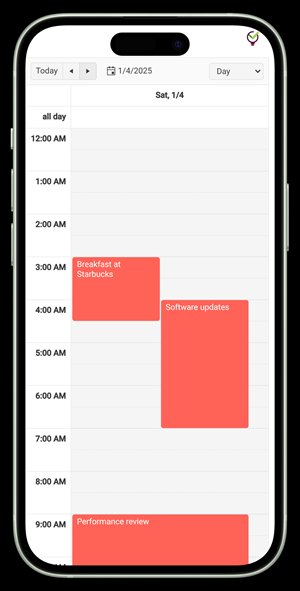
Step 4: Attach a 'no later than' date. Not a deadline in the project-management sense — just the latest date by which you'll take that next action. Put it on your calendar as a 30-minute block. Treat it like a meeting. Projects that never get calendar time never get done.
Step 5: Create a visual review habit. Once a week — same day, same time — look at your full project list. For anything that moved forward, write the next action. For anything that didn't move, ask why. Sometimes a project stalls because of a missing resource or dependency, not because you're avoiding it. Surface that, solve it, and the project moves again.
Why Your Current Tools Make This Harder Than It Needs to Be
You've probably tried this kind of system before with whatever tool you already had. There's a good chance it broke down not because the system was wrong but because the tool worked against you.
Long task lists in traditional to-do apps create the illusion of organization while burying your most important projects under 80 other line items. The project you need to look at today is somewhere between "buy toothpaste" and "call insurance" — and you scroll past it every day without really seeing it.
Note-taking apps with infinite nesting are the other common failure mode. You create a beautiful folder structure, file everything correctly, and then never open most of it because navigating to anything requires three taps and a search. The information is in there — it's just effectively invisible.
The tools that work best for this kind of system share a few traits: they make your active projects immediately visible (not buried), they let you keep materials and next actions in the same place, and they get out of the way when you actually want to work.
TaskLoco Premium is regularly $9.99/month per person. Right now, charter members can lock in 50% off the regular price — forever. That means $4.99/month per person today. And if our price ever goes up, you still pay half. Always.
Code CHARTER50 auto-applies at checkout. First 500 spots only — once they're gone, this offer is gone permanently. Act fast while spots last.
Every Premium subscription includes unlimited notes, 10GB file storage, reminders, calendar, and team sharing. Each team member requires a separate subscription. 7-day free trial — no charge until day 8. Cancel anytime.
Free Options: TaskLoco
TaskLoco Lite
- Native iPhone & Android app
- Completely anonymous — no sign-in
- Data stays on your device
- Up to 20 notes
- Free forever
TaskLoco Lite Plus+
- Web app + Chrome extension
- Sign in with Google
- Wall syncs across all devices
- Up to 30 notes
- Free forever
Lock In 50% Off — Forever
7-day free trial. No charge until day 8. CHARTER50 auto-applies at checkout.
🔒 Lock In My Charter SpotSee TaskLoco in Action
Frequently Asked Questions
Why do I keep starting projects and never finishing them?
The most common reason isn't lack of discipline — it's structural. Projects stall when there's no visible next action attached to them, when the materials are scattered across multiple tools, or when there's no dedicated time on your calendar to move them forward. Starting feels like progress to your brain, so the act of creating a note or buying supplies delivers a partial reward — and then motivation fades. The fix is to always attach one concrete next action to every project before you consider it "captured."
How many active projects should a person realistically manage?
Most people can actively manage somewhere between 5 and 15 projects at once, depending on how complex each one is. The real constraint isn't cognitive — it's time. If you have 20 active projects and can only work on 5 this week, the other 15 aren't really active; they're waiting. The honest move is to either put them in a "someday" list with no active next action, or cancel them. Having fewer active projects with real forward motion beats having a long list that mostly sits still.
What is a 'next action' and why does it matter so much?
A next action is the single, specific, physical thing you'd do next if you sat down to work on a project right now. Not a goal, not a phase, not a vague verb — an actual action. "Finish the proposal" is not a next action. "Write the executive summary section" is. The reason it matters is that vague tasks create unconscious avoidance. When your brain can't immediately picture what "doing" this task looks like, it quietly deprioritizes it in favor of things that are clearer. Specific next actions remove that friction.
How do I stop getting distracted and actually work on my projects?
Distraction usually wins when the alternative — the project work — has high startup cost. If you have to spend five minutes remembering where you were, finding the files, and figuring out what to do next, your brain will look for something easier. The fix is to reduce startup cost to near zero: end every work session by writing your next action for the next session, keep all project materials in one place, and block calendar time so you're not deciding in the moment whether to work on it.
What's the best way to do a weekly project review?
Keep it short and consistent. Once a week — same time, same day — look at every active project. For each one, ask: did this move forward? If yes, write the next action. If no, ask why. Was it blocked by someone else? Missing a resource? Or did you just not get to it? For blocked projects, identify what needs to happen to unblock them. For projects you skipped three weeks in a row, consider whether they're actually active or whether they should be cancelled or shelved. The whole review should take 20–30 minutes. If it takes longer, you have too many active projects.
Can sticky notes really work as a project management system?
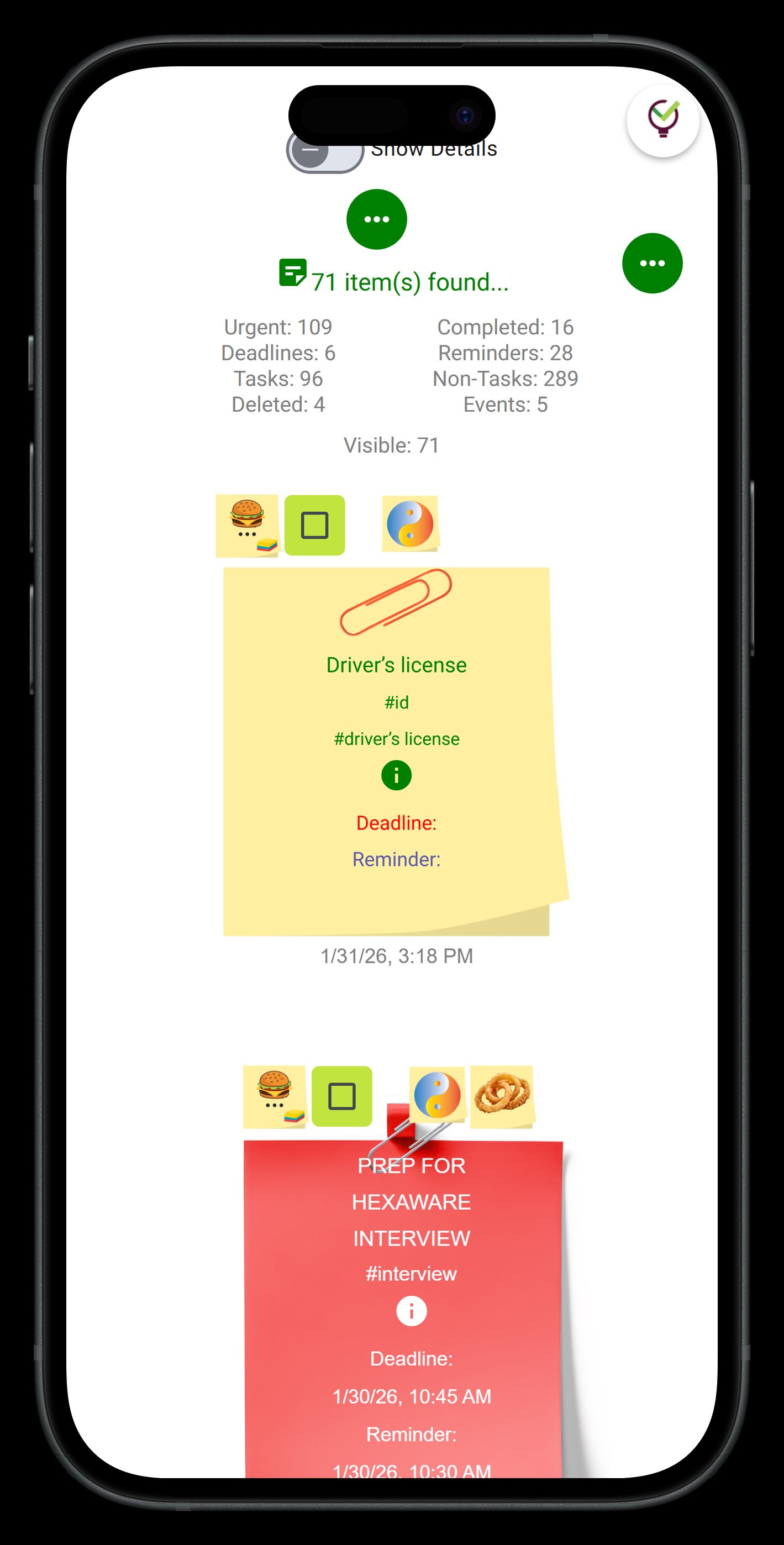
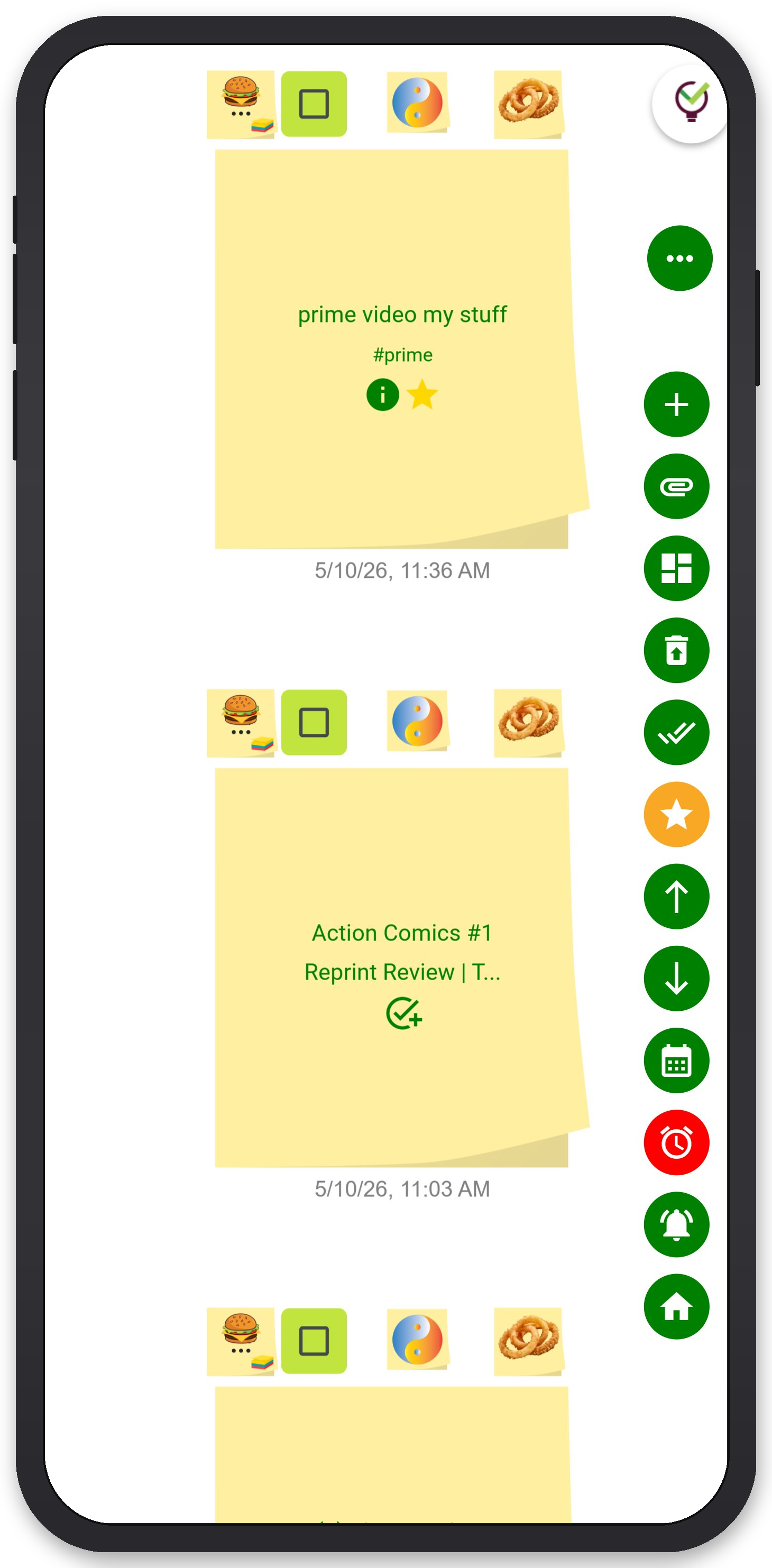
For personal project tracking — absolutely. The wall-of-cards format keeps everything visible at once, which is the single most important thing for avoiding the "out of sight, out of mind" problem. Traditional task lists bury projects under other items; a visual board surfaces everything simultaneously. The limitation is that sticky notes (physical or digital) don't handle complex dependencies, Gantt-style timelines, or multi-team workflows well. For solo work or simple team coordination, the format is often better than the overhead of a full project management suite.
How does TaskLoco help with half-finished projects?
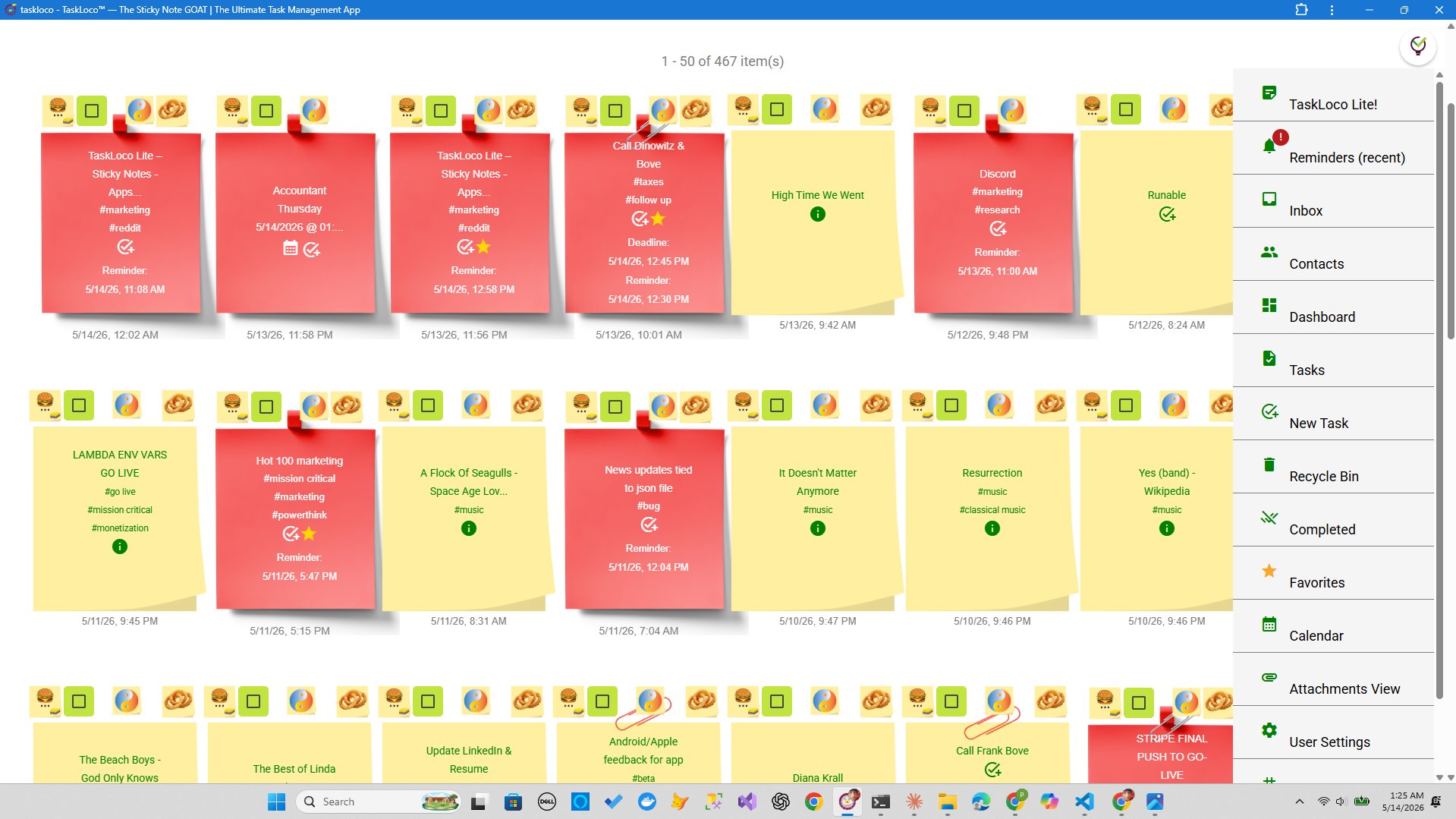
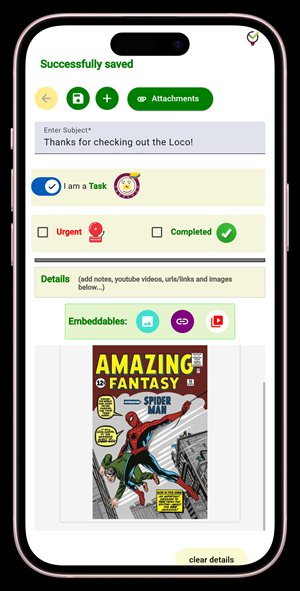
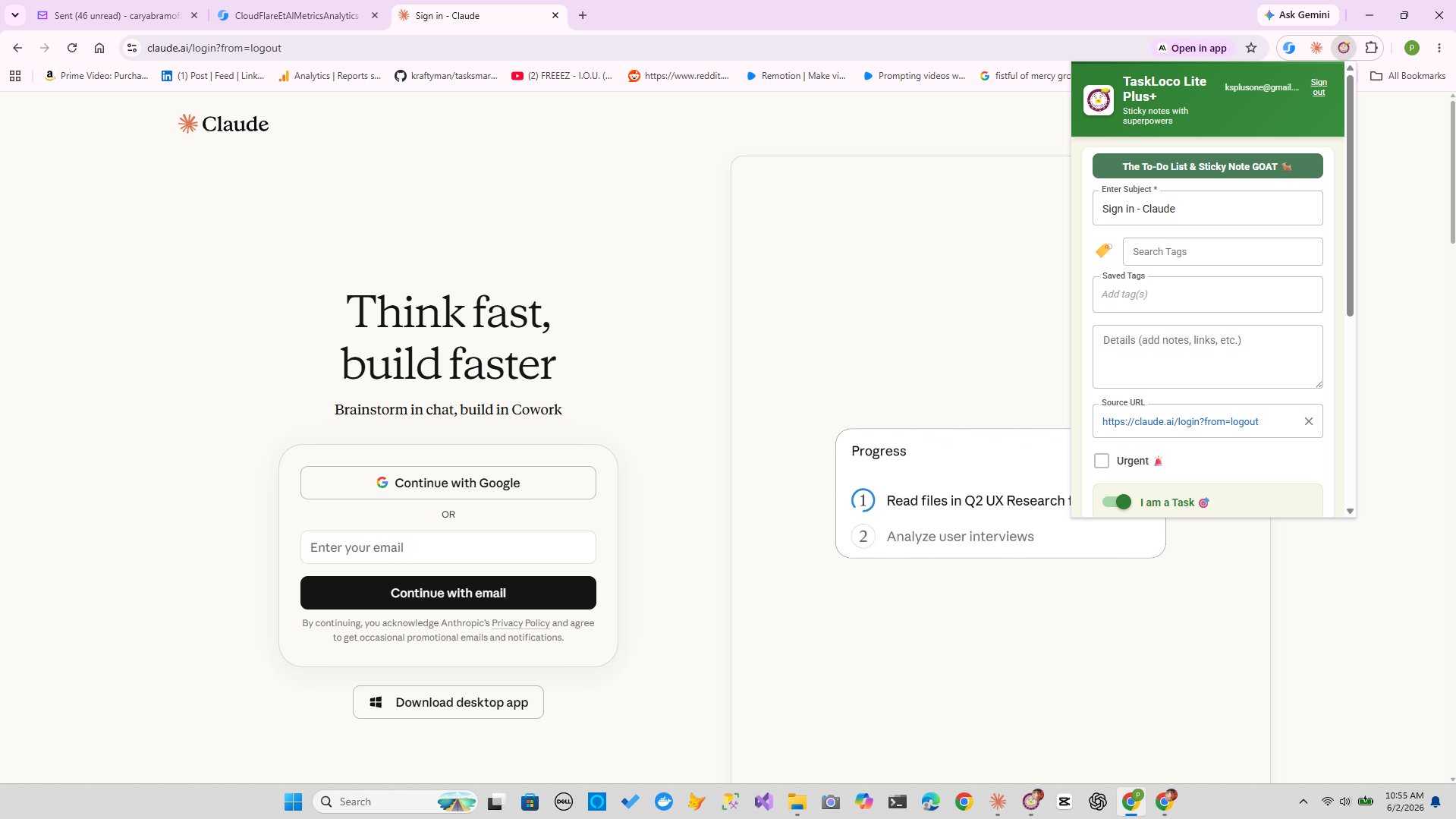
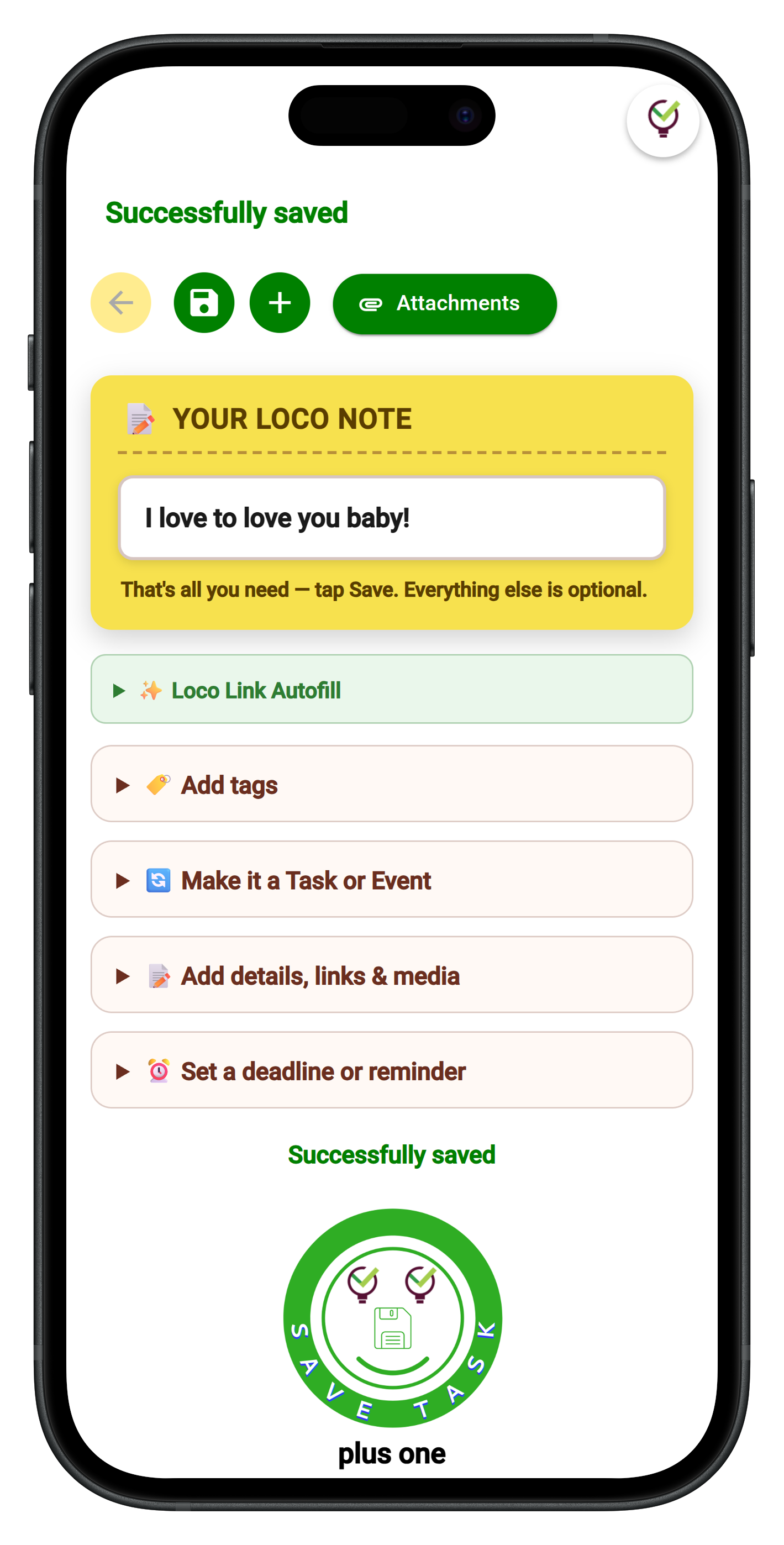
TaskLoco lets you give each active project its own note on a visual wall where everything is visible at once. You write the next action at the top, attach any reference files (up to 10GB with Premium), and set a reminder that delivers a push notification deep-linking straight back to that note when it's time to act. The Chrome extension lets you clip research from any webpage directly into a note in one click, so materials don't scatter. The weekly review becomes fast because the wall shows you exactly what's moving and what's stalled — no hunting through nested folders. $9.99/month per person (currently $4.99/month per person for first 500 charter members with code CHARTER50)
Born in Brooklyn. Powered by AWS. Your data stays yours.
TaskLoco is available on iPhone, Android, Chrome, and every web browser.