Sunday night, you open a blank page. You write out the week. You feel good about it. Monday morning you're on track. By Wednesday something slips. By Friday the list is a graveyard of carried-over tasks and you've stopped looking at it entirely. So Sunday night, you open a blank page again.
This isn't a discipline problem. It's a design problem. The systems most people build — and the apps most people use — are optimized for the moment of setup, not for the reality of a Tuesday at 3pm when everything goes sideways. If your system can't survive contact with an actual week, you'll rebuild it every Monday forever. Here's why that keeps happening, and how to stop it.
The Real Reason Your System Collapses Mid-Week
Most productivity systems fail for one of three reasons — and usually all three at once.
1. The system is optimized for capture, not for reality. You build a beautiful list Monday morning when your brain is fresh and optimistic. You schedule things with no buffer. You assume every hour is available. By Tuesday afternoon, two urgent things have appeared that weren't on the list, two things on the list turned out to be impossible without something else happening first, and your beautifully structured day looks nothing like your actual day. The system didn't account for real life — so real life broke it.
2. Maintenance costs more than the system returns. If keeping your task list current requires 20 minutes of daily grooming, that's 20 minutes competing with actual work. When time gets tight — which is always when you most need the system — the maintenance is the first thing to go. A list you stopped updating two days ago is worse than no list, because you can't trust it. So you abandon it. So you start over Monday.
3. The system punishes you for falling behind. Miss a day and you come back to a wall of red overdue tasks. The psychological weight of that list makes you want to avoid it. So you do avoid it. And then Sunday night feels like a reset — a fresh start where everything is clean again. Except nothing changed, so next Friday looks the same.
How to Build a System That Doesn't Collapse
The goal isn't to find more discipline. The goal is to build a system that's so low-friction you'll actually use it when things get hard — not just when things are easy.
Start with a shorter list. If your daily task list has more than five to seven real items on it, it's a wish list, not a plan. Most people dramatically overestimate what they can do in a day, especially when meetings, interruptions, and energy dips are factored in. Cut your list in half. Then cut it in half again. The goal is to finish the list most days, not to be ambitious once and disappointed forever.
Use a capture layer separate from your action layer. Everything that comes in — ideas, requests, things you don't want to forget — goes into a dump zone. Once a day (not continuously), you sort that dump zone. Some things become tasks. Most things don't. This prevents your action list from being contaminated by every passing thought, and it keeps you from losing good ideas entirely. A sticky note on your desk, a voice memo, a notes app — anything works, as long as it's fast and frictionless to add to.
Plan for Thursday, not for Monday. When you plan your week, ask yourself: what would I need to have done by Thursday to feel like the week was a success? This forces you to prioritize ruthlessly early in the week and creates a natural buffer. Things that slip to Friday aren't failures — they're buffer days working as intended.
Build a zero-guilt rollover habit. At the end of each day, move unfinished tasks forward without judgment. No red flags, no overdue warnings, no punishment. Just: this didn't happen today, when does it actually need to happen? If you can't answer that honestly, it probably wasn't a real commitment — move it to a someday list and stop letting it pollute your active list.
Weekly review takes five minutes, not fifty. Every Friday (or Sunday, if you prefer), do three things only: archive what's done, reschedule what's real, delete what was never going to happen anyway. That's it. If your weekly review has become a major project in itself, your system is too complex.
Why Your Tool Might Be Part of the Problem
Sometimes the system isn't the issue — the tool is. A lot of productivity apps are designed around the sale, not around the actual work week. They have impressive onboarding flows, beautiful empty states, and a satisfying setup experience. Then you use them for a week and realize that actually getting things done requires navigating four menus and maintaining a project hierarchy that made sense on day one but has become a burden by day ten.
The signs your tool is making things worse:
- You spend more time organizing tasks than doing them
- You have to think before you can capture something quickly
- The app has features you've never used and feel vaguely guilty about not using
- Your task list lives in the app but your real working memory is in your head or on paper
- You've rebuilt your setup in the app multiple times trying to find the right structure
None of that is a you problem. That's a tool-complexity problem. The best productivity tool for most people is the one with the fewest steps between thinking of something and it being captured. Speed of capture matters more than feature depth for day-to-day use.
This is also why so many people end up back on paper. Not because paper is better — it doesn't sync, it doesn't remind you of things, it doesn't travel — but because it's frictionless. The ideal tool combines that frictionless feel with the actual power of digital: reminders that find you, files attached right where they're relevant, a view that makes the whole week visible at once.
How TaskLoco Fits Into This
If you've decided to try a digital tool that doesn't fight you, TaskLoco is worth looking at — not because it's the most feature-packed option, but because it's built around the sticky note model that your brain already knows how to use.
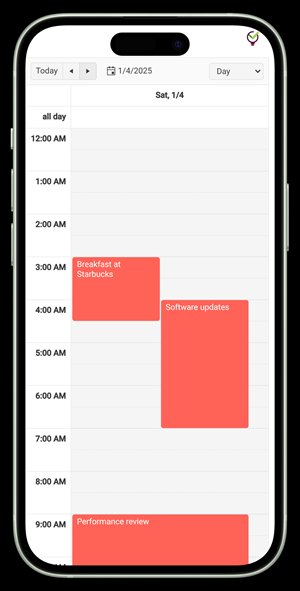
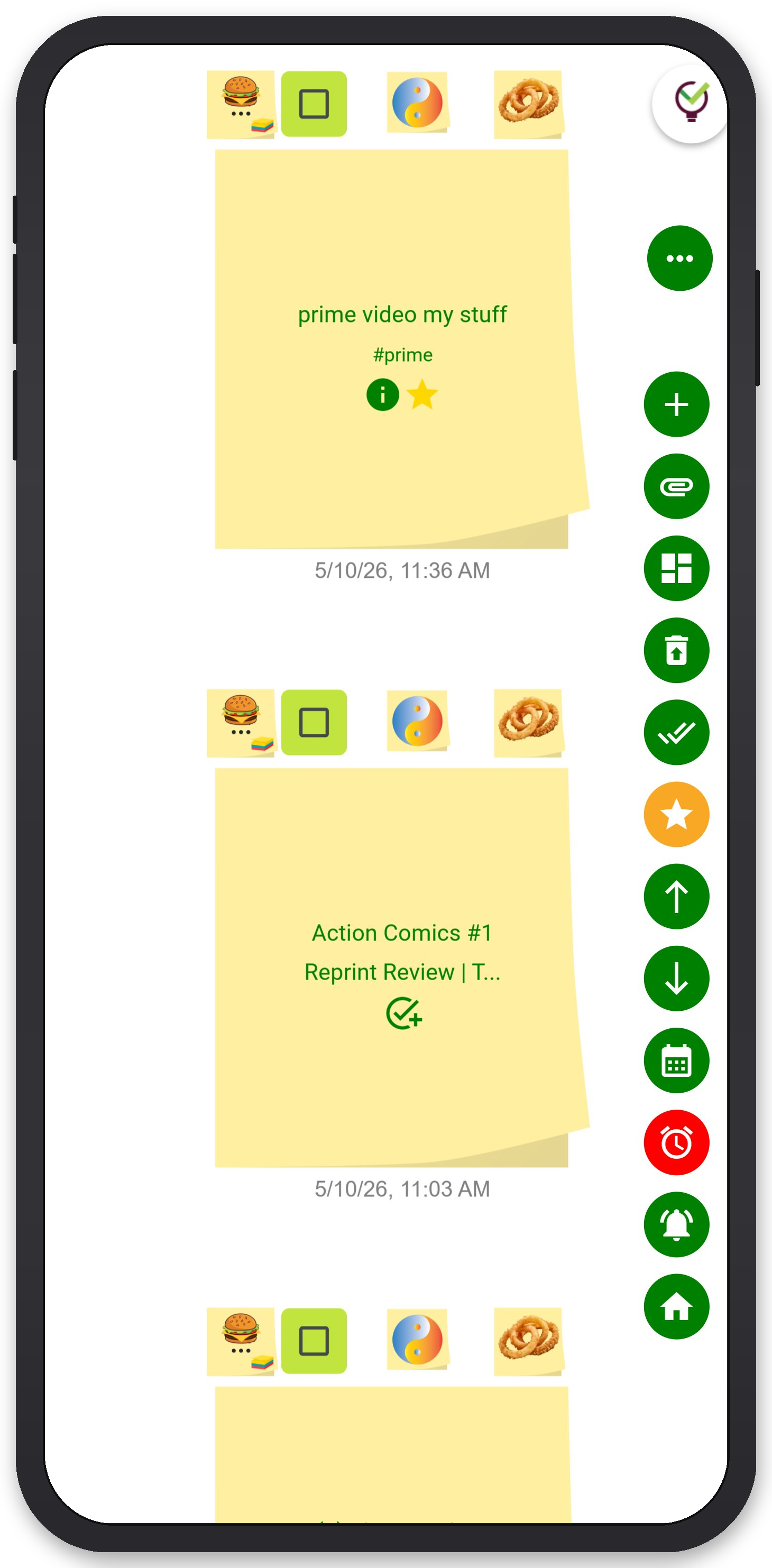
The core idea is simple: notes are visual, spatial, and fast to create. You see everything at once on the wall view. There's no project hierarchy to maintain, no nested subtask taxonomy to keep current. A note is a note. A task is a task. You move things around when priorities shift. It looks and behaves the way a real working surface does — which means the maintenance cost stays low, which means you'll actually keep using it.
For the specific problems that cause Monday restarts, here's where TaskLoco Premium actually helps: reminders are delivered as push notifications directly to your phone and computer, and each reminder deep-links back to the original note — so when Tuesday at 3pm arrives, the thing that needs your attention surfaces with full context, not just a title. File attachments sit right inside the note they belong to, so you're not hunting across apps for the document related to a task. The calendar view makes the whole week visible in a way that helps you plan honestly instead of optimistically. And team sharing works the way email does — recipients clone the note and make it their own, no permissions management needed.
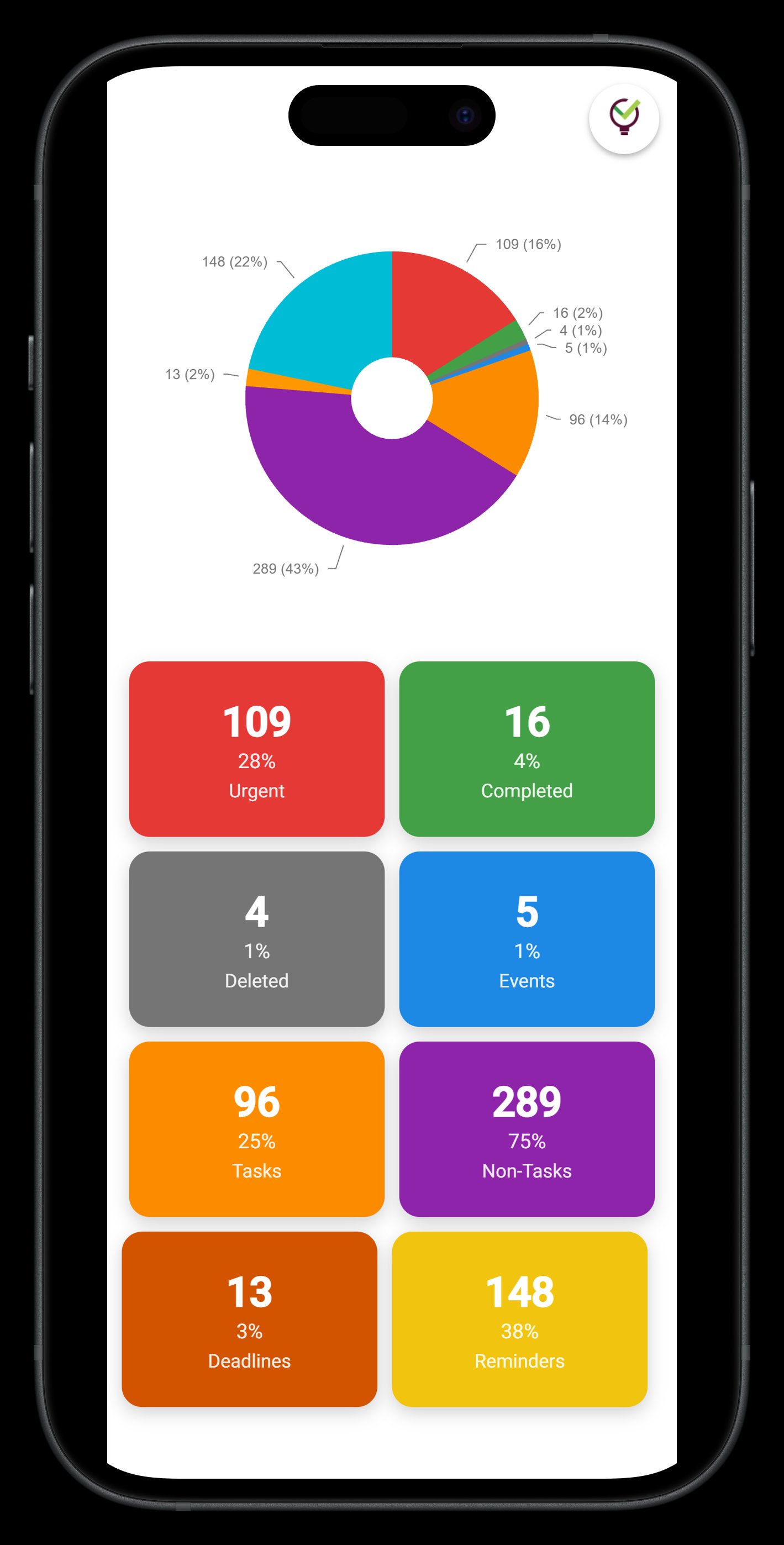
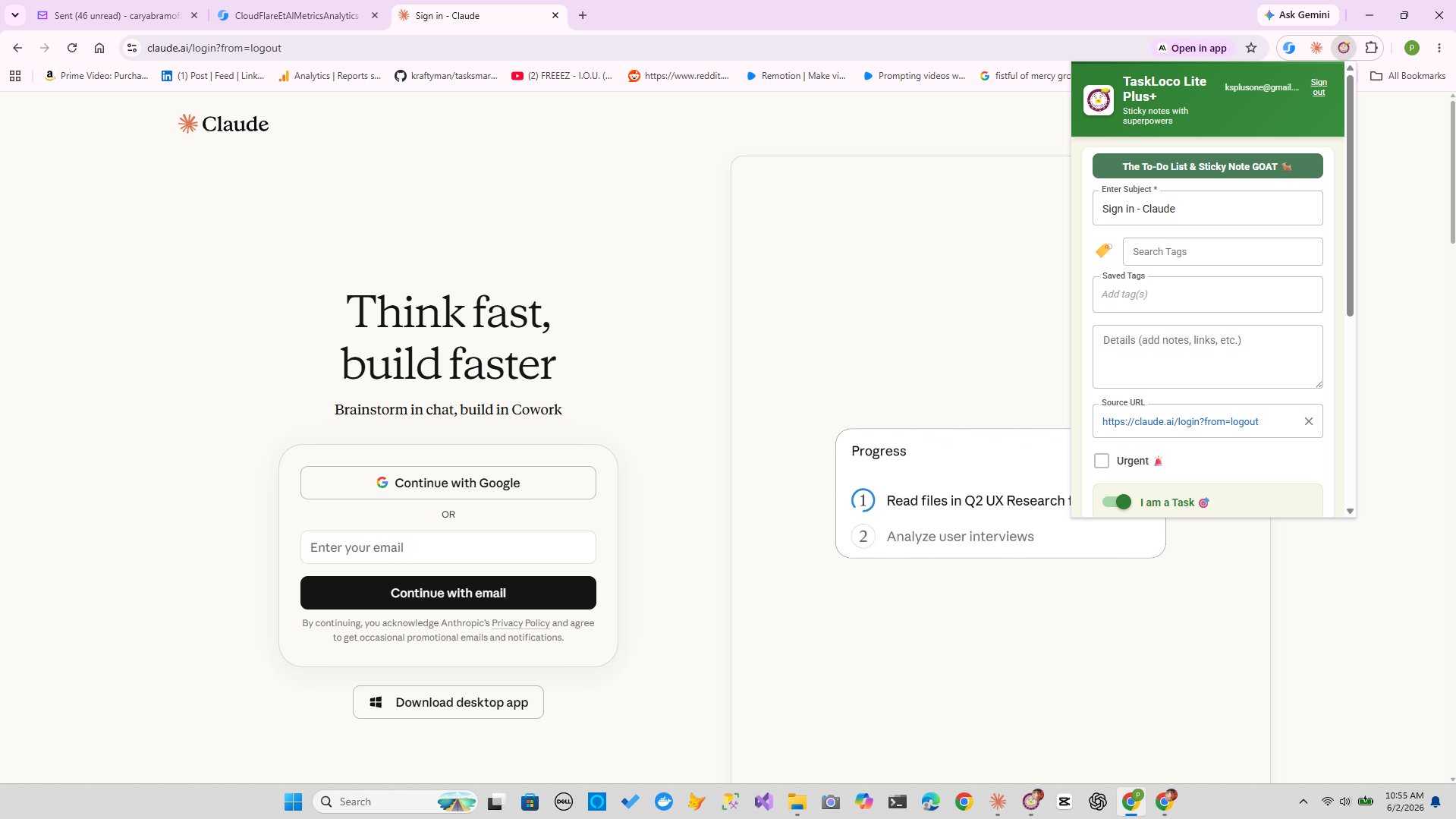
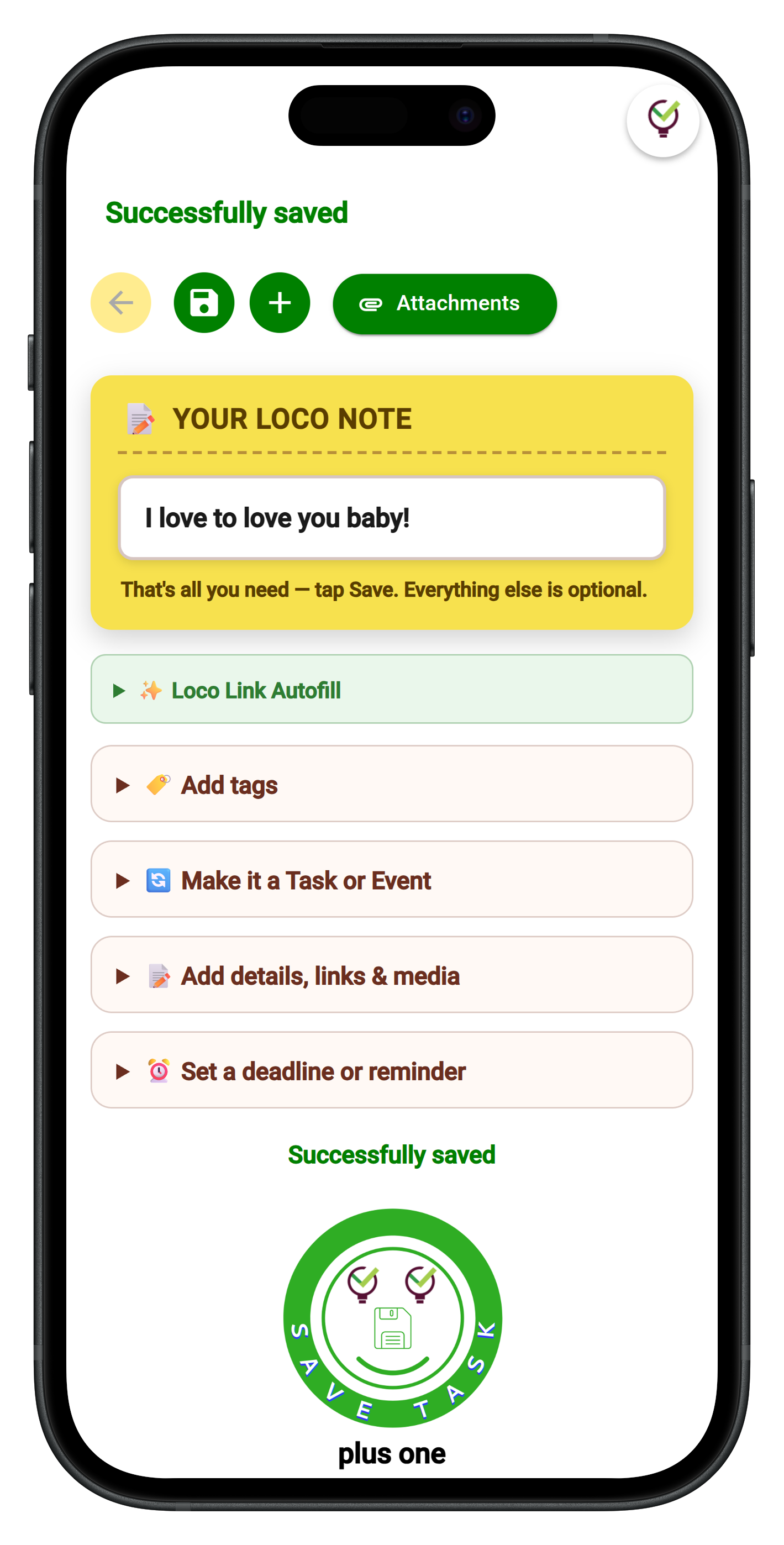
There's also a free path in. TaskLoco Lite is a native iPhone and Android app — completely anonymous, no account needed, 20 notes stored on your device. It's a real no-commitment starting point. TaskLoco Lite Plus+ adds cross-device sync, up to 30 notes, and the Chrome extension that captures any webpage in one click — all free, just requires a Google sign-in. If you outgrow those, Premium adds unlimited notes, reminders, file storage, calendar, and team sharing.
TaskLoco Premium is regularly $9.99/month per person. Right now, charter members can lock in 50% off the regular price — forever. That means $4.99/month per person today. And if our price ever goes up, you still pay half. Always.
Code CHARTER50 auto-applies at checkout. First 500 spots only — once they're gone, this offer is gone permanently. Act fast while spots last.
Every Premium subscription includes unlimited notes, 10GB file storage, reminders, calendar, and team sharing. Each team member requires a separate subscription. 7-day free trial — no charge until day 8. Cancel anytime.
Free Options: TaskLoco
TaskLoco Lite
- Native iPhone & Android app
- Completely anonymous — no sign-in
- Data stays on your device
- Up to 20 notes
- Free forever
TaskLoco Lite Plus+
- Web app + Chrome extension
- Sign in with Google
- Wall syncs across all devices
- Up to 30 notes
- Free forever
Lock In 50% Off — Forever
7-day free trial. No charge until day 8. CHARTER50 auto-applies at checkout.
🔒 Lock In My Charter SpotSee TaskLoco in Action
Frequently Asked Questions
Why do I keep abandoning my productivity system after a few days?
Almost always because the maintenance cost exceeds the benefit. If your system requires daily grooming to stay accurate, the first time a busy day forces you to skip that grooming, the system starts going stale. Once it's stale, you can't trust it. Once you can't trust it, you stop looking at it. The fix is a simpler system with fewer moving parts — one where a missed day doesn't cause cascading rot.
Is starting fresh every Monday a bad habit?
The reset impulse itself isn't the problem — it's actually healthy to want a clean slate. The problem is that if you're resetting every week without changing anything about the system, you'll get the same result. Use the Monday reset as a diagnostic: what specifically broke down last week? Was the list too long? Did you lose track of context? Did reminders not reach you at the right moment? Fix one thing each week and the resets will get further apart.
How many tasks should be on a daily list?
Five to seven is a reasonable upper limit for most people on most days, assuming those tasks include at least one that requires meaningful focused time. The number should reflect what you can realistically complete — not what you hope to complete. If you finish early, you pull from a backlog. If you rarely finish, the list is too long. Most people need to cut their daily list in half before it becomes trustworthy.
What's the difference between a task list and a someday list?
A task list contains commitments with real timelines — things you intend to do this week or today. A someday list is a parking lot for things you want to remember but can't honestly commit to right now. The key is keeping them separate. If your active task list contains things you've been rolling over for three weeks, they're not tasks — they're someday items clogging your working list and making it feel overwhelming. Moving them to a someday list isn't giving up; it's keeping your active list honest.
How long should a weekly review take?
Five to ten minutes, done consistently, is far more valuable than a 45-minute review done occasionally. The weekly review has one job: make sure your list going into next week is honest. Archive what's done. Reschedule what's real. Delete what was never going to happen. If your review has grown into a major production, simplify the system it's reviewing.
Can TaskLoco help with this kind of weekly planning?
Yes — particularly because its wall view makes the whole week visible at once, which helps you plan honestly rather than optimistically. Reminders are delivered as push notifications to your phone and computer, with each one deep-linking back to the original note so context travels with the alert. The design keeps friction low, which is the main thing that determines whether a system survives a real week. There's a free tier to start with — no account needed on mobile — and $9.99/month per person (currently $4.99/month per person for first 500 charter members with code CHARTER50)
What's wrong with using a simple notes app for task management?
Nothing, as long as it can do what task management actually requires: remind you of things at the right time, attach context (files, links, notes) to the right task, and give you a view that makes priorities visible. A plain notes app that can't surface a task when it's due, or that buries context in a separate place, forces you to hold too much in your head — which is exactly what causes systems to break down mid-week. The tool needs to do the remembering so your brain doesn't have to.
Born in Brooklyn. Powered by AWS. Your data stays yours.
TaskLoco is available on iPhone, Android, Chrome, and every web browser.