The graveyard of productivity apps is full of perfectly good software. Todoist, Things, TickTick, OmniFocus — smart people download them, spend an afternoon setting up projects and tags and priorities, then quietly stop opening them two weeks later. It's not a willpower problem. It's a design mismatch between how apps are built and how human attention actually works.
To-do apps are usually designed for the moment of planning. But the moment you actually need a task captured is almost never a planning moment — it's the middle of a meeting, a random thought at midnight, a follow-up you promised while walking to another room. When there's any friction between that moment and the record of it, the brain fills the gap with "I'll remember this" — and it doesn't. This article breaks down exactly why the abandonment cycle happens and what a working system actually looks like, with or without any app at all.
The Real Reason You Stop Using Your Task App
It almost always comes down to one of four failure modes — and most people experience all four in sequence before they give up.
1. Setup cost exceeds perceived value. Many apps greet you with a blank canvas and expect you to design your own productivity system before you've even captured a single task. You build folders, tags, priority levels, and recurring templates. It feels productive. It isn't. You've spent your motivation budget on configuration, not on work.
2. The app is not where you are when a task surfaces. If capturing a task requires unlocking your phone, finding the app, tapping into the right project, and formatting the entry — you won't do it. You'll tell yourself you will and you won't. The system breaks at the moment of capture, which is the only moment that matters.
3. The list becomes a dumping ground with no exit. Tasks accumulate faster than they get done. Within a week, the list is so long it produces anxiety instead of clarity. The brain's response to an overwhelming list is avoidance, not action. You stop looking at it, then stop adding to it, then stop opening the app entirely.
4. Review friction kills the habit loop. Most productivity systems require a dedicated weekly review to stay functional. Most people skip it. When you skip the review, the system degrades. Stale tasks pile up, context gets lost, and opening the app feels like confronting a mess rather than a helpful tool.
A System That Actually Sticks: The Capture-First Method
The most durable productivity systems share one property: they make capture almost effortless and they make your active tasks impossible to ignore. Here's how to build that, starting from scratch.
Step 1: Lower the capture barrier to near zero. Your capture method needs to be faster than the thought that triggered it. That means a physical index card on your desk, a voice memo app on your phone, a pinned note on your browser, or a sticky note on your monitor. Whatever you will actually reach for in the next three seconds. Don't optimize it — just make it available everywhere you work.
Step 2: Use a single inbox, not a system of folders. Do not sort tasks when you capture them. Everything goes into one inbox. Sorting is a planning activity; capturing is a reflex. Separating the two is what makes the capture step sustainable.
Step 3: Keep your active tasks visible, not buried. This is the most underrated principle in personal productivity. A task you can't see is a task that doesn't exist in your working day. Whether you use a sticky note on your monitor, a whiteboard, or a pinned digital note — the active short list (three to five items max) needs to live somewhere you'll look without trying.
Step 4: Process your inbox on a fixed cadence, not a weekly review. A weekly review works for project managers. For most people, a daily five-minute scan at a consistent time — morning coffee, lunch, end of day — is enough to keep the system from overflowing. Pick one time. Protect it. Do it in under five minutes or you'll stop doing it.
Step 5: Archive ruthlessly. A task that's been on your list for three weeks without action is either not a real task or not a real priority. Mark it done, defer it to a someday list, or delete it. A shorter list is always more useful than a complete one.
- Capture anywhere, sort nowhere
- Single inbox, single active list (3–5 items)
- Visible always, not just when you open an app
- Daily five-minute scan, not a weekly review ritual
- Archive anything older than 14 days that hasn't moved
Why Most Apps Fight This System — and What to Look For Instead
Once you understand the capture-first method, it becomes obvious why so many feature-rich apps work against it. Here's what to look for — and avoid — when you pick a tool.
Avoid apps that require a project before a task. If you have to assign a project, priority, label, and due date before a task saves, the app was designed for a project manager reviewing a roadmap — not for a person with a thought that needs to be written down in the next five seconds.
Avoid apps that hide your tasks behind navigation. If your active list is two taps deep, it won't be part of your day. Look for something that opens directly to your tasks, or better, something that surfaces them passively — pinned to your browser, your home screen, or your desktop.
Look for apps that separate capture from organization. The best tools let you dump a thought fast and let you organize it later on your own schedule. The inbox should be a first-class feature, not an afterthought.
Look for reminders that come to you, not reminders you have to go find. A reminder buried inside an app you have to open is not a reminder — it's a note you'll never read. Push notifications that bring the task to your screen work. Everything else requires a habit you probably don't have yet.
Look for something that stays visible. The best productivity tool you'll ever own is a sticky note on your monitor with three things you need to do today. The best digital tools replicate that: always visible, never buried, hard to ignore.
How TaskLoco Fits This System
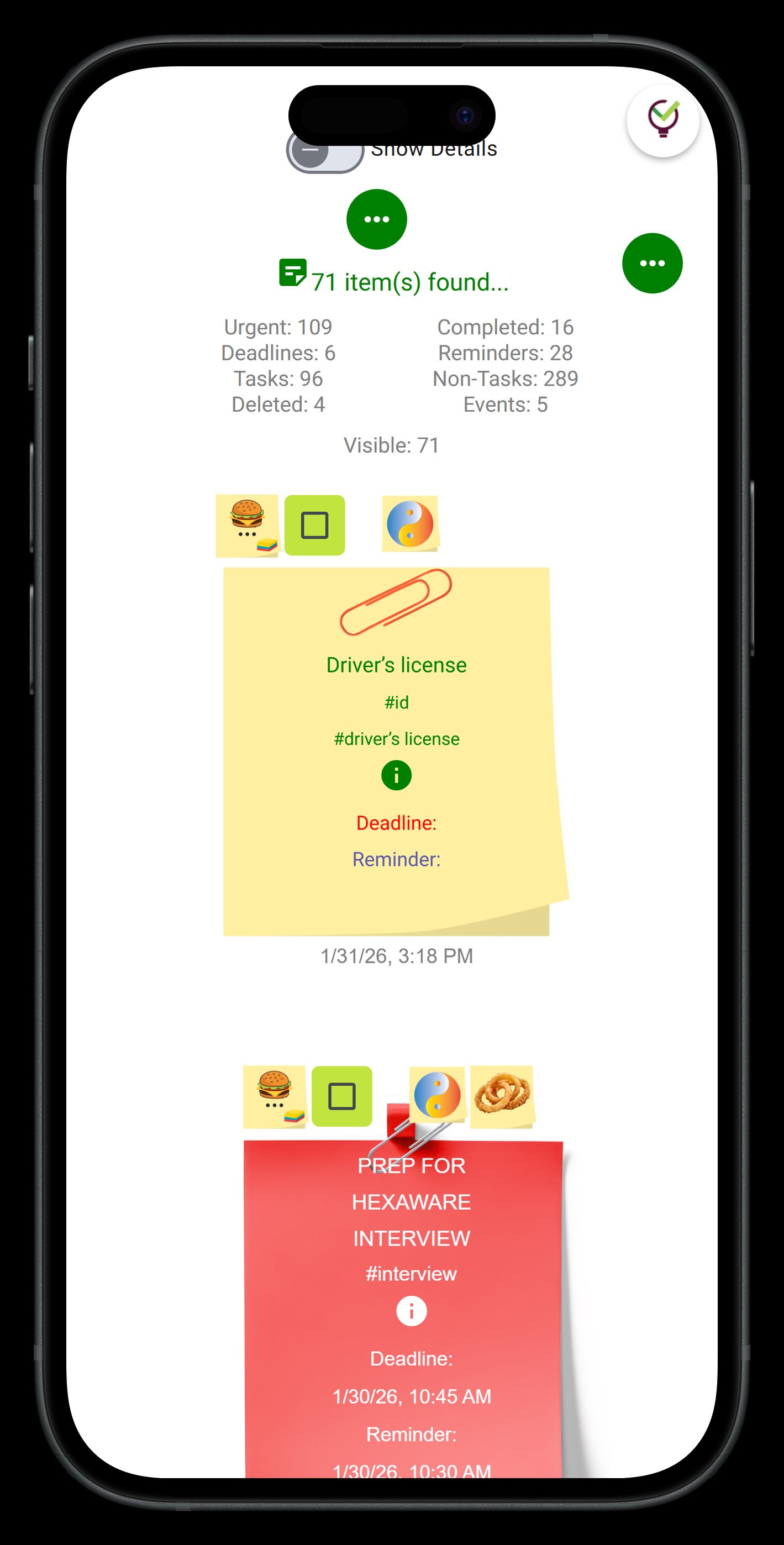
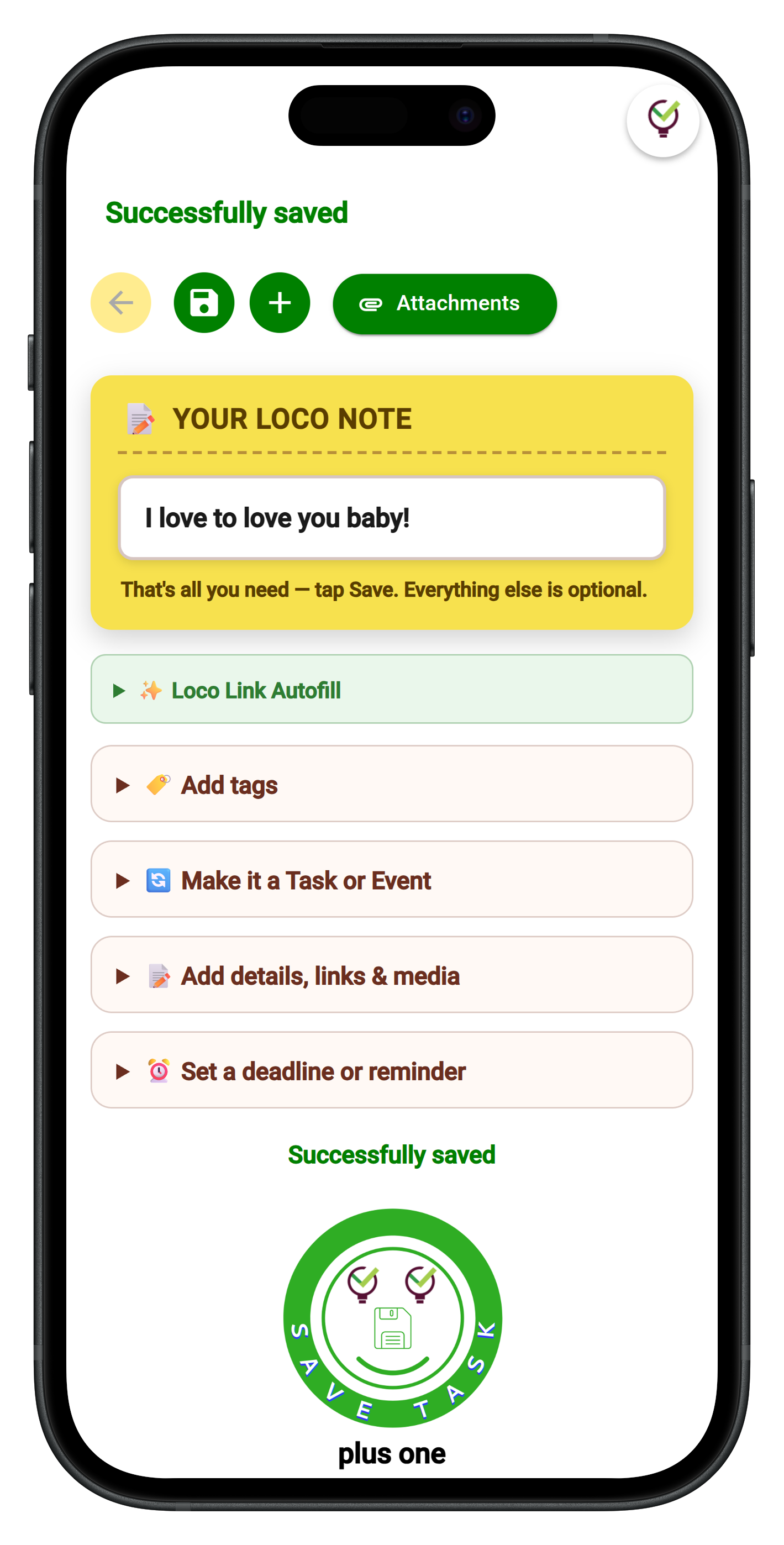
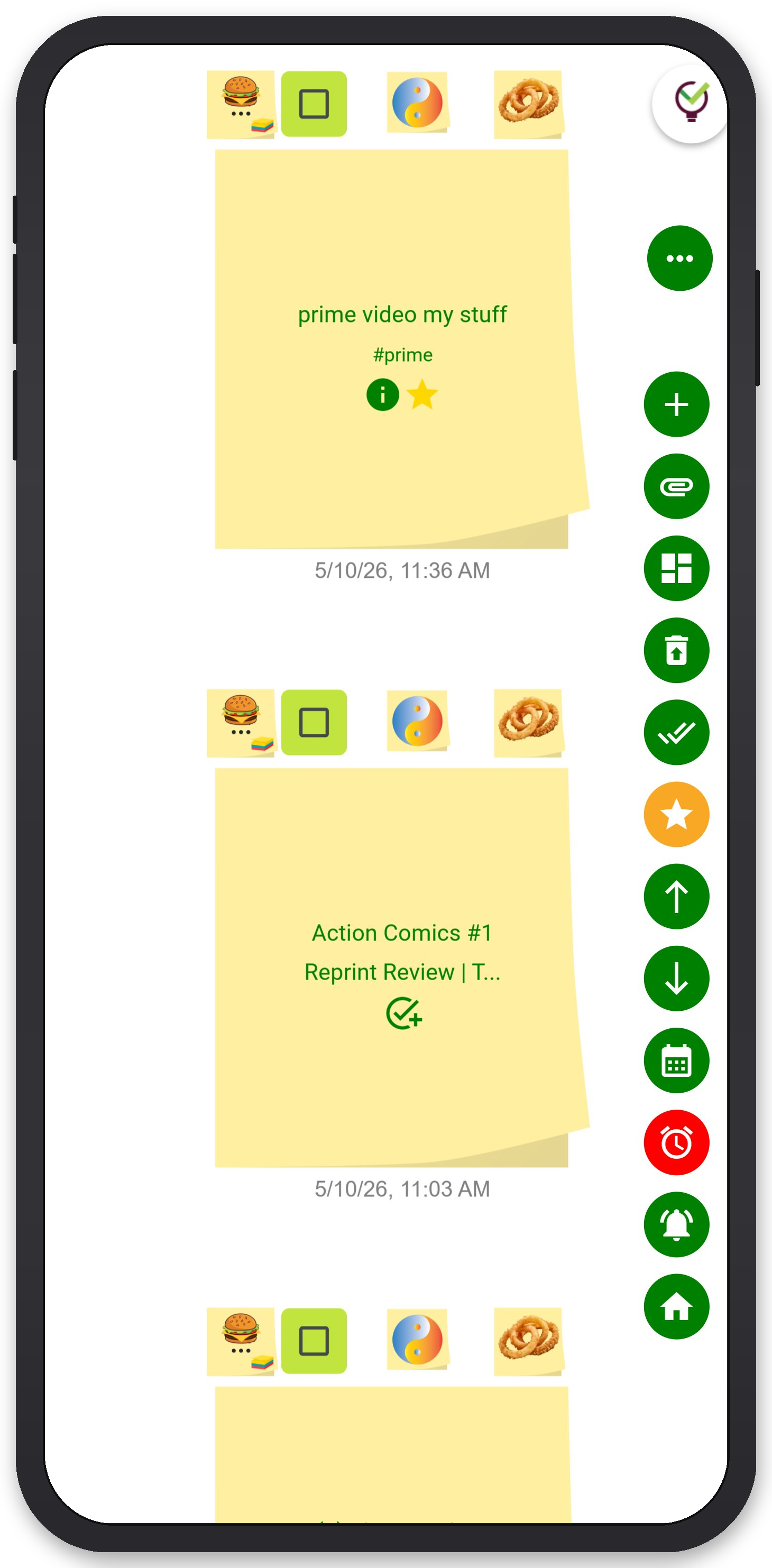
TaskLoco is built around the sticky-note metaphor, which turns out to map almost perfectly onto the capture-first method described above. Notes are the unit of work — not projects, not subtasks, not Gantt charts. You open it, you type, you're done. The friction is about as low as a digital tool gets.
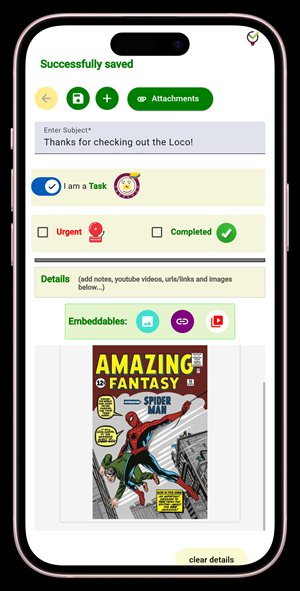
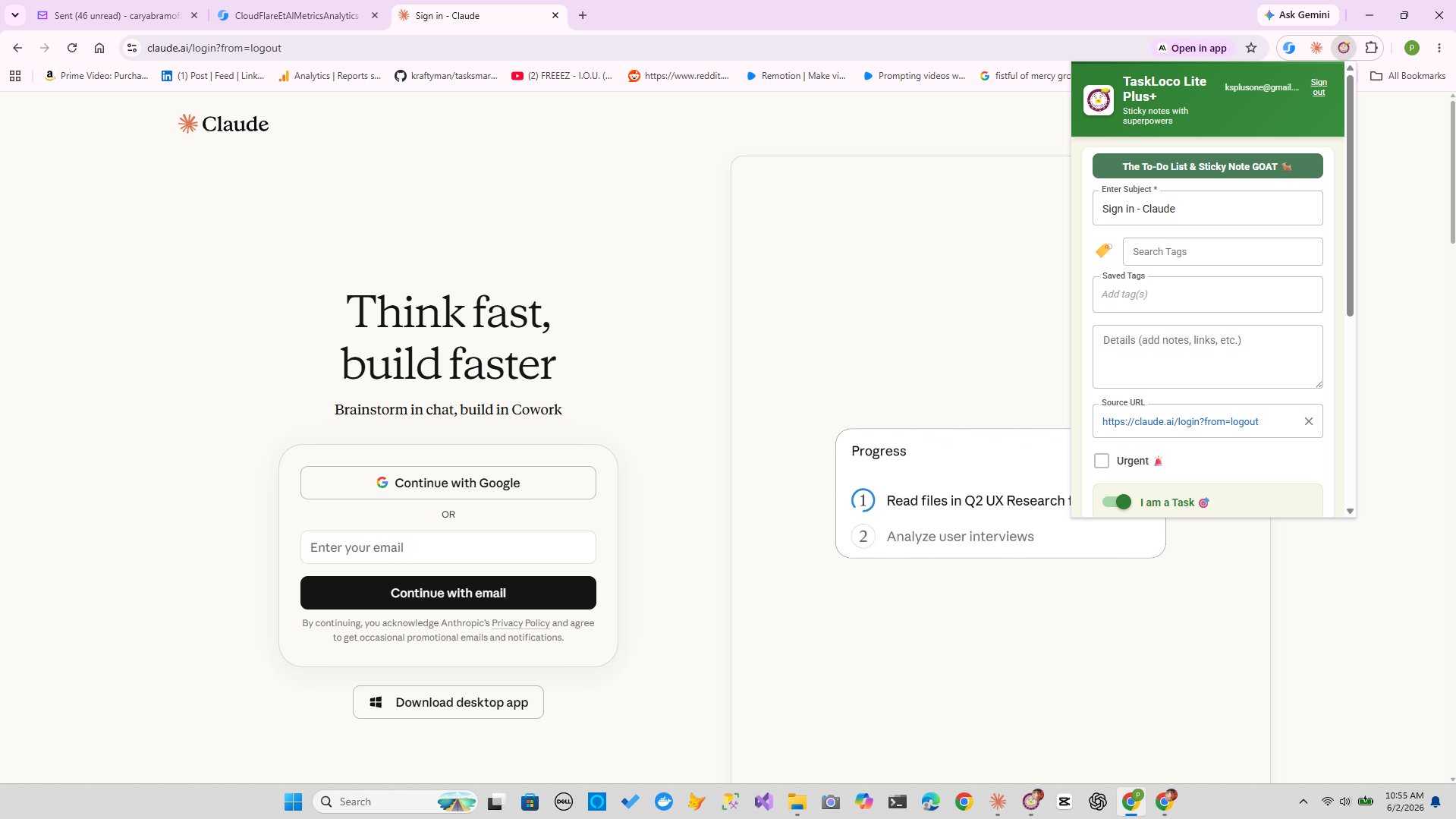
The web app and Chrome extension mean your tasks are always one click away from wherever you're working in a browser. The Chrome extension captures any webpage ��� an article, a thread, a URL you need to act on — as a note in a single click. That's the capture-anywhere principle built directly into the tool.
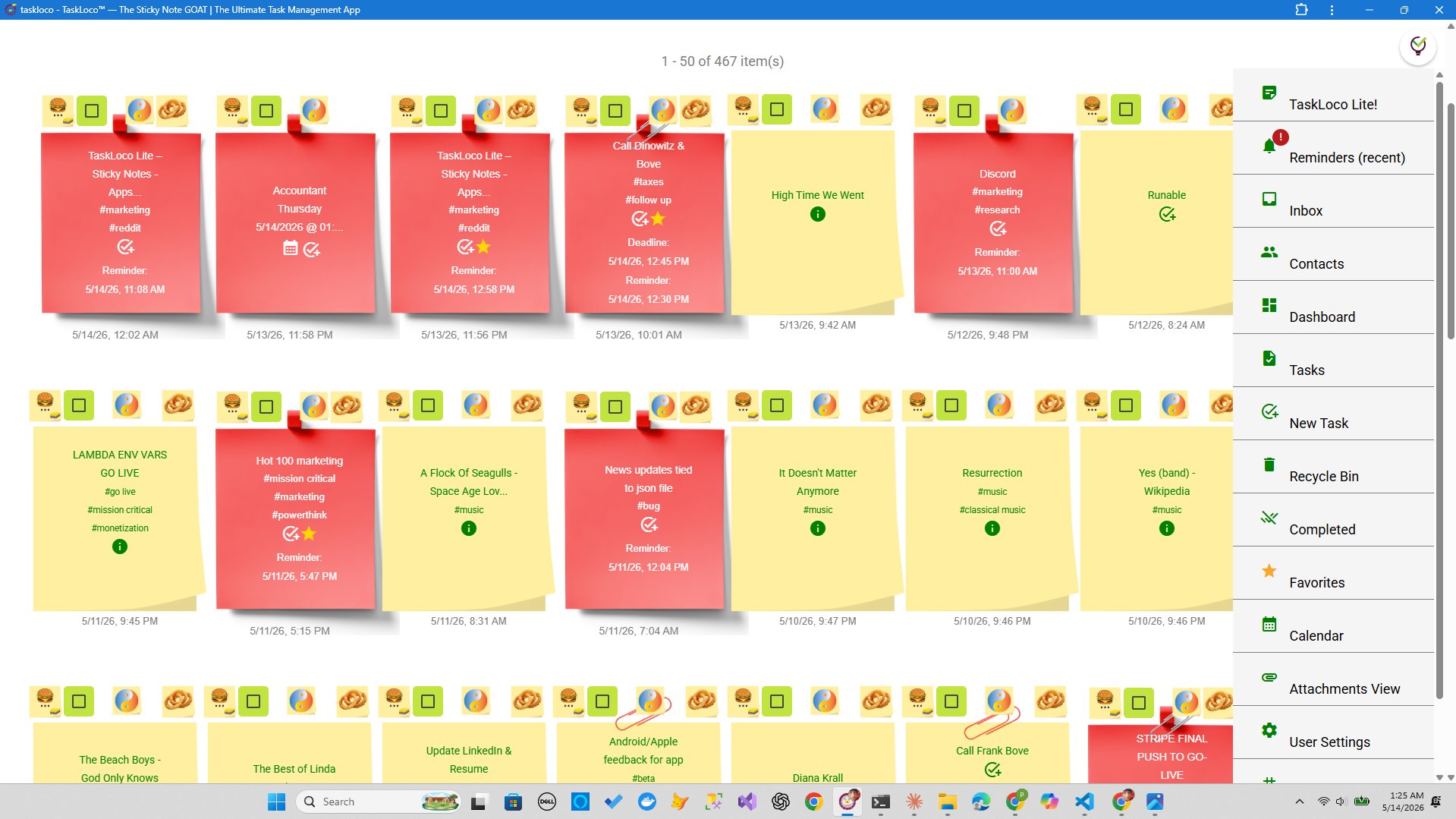
For staying visible, TaskLoco's wall view puts your notes on screen simultaneously, like sticky notes on a corkboard. Your active short list is never buried behind navigation — it's the first thing you see. And with TaskLoco Premium, reminders are delivered as push notifications directly to your phone and computer — with the notification linking straight back to the original note, so you land exactly where you need to be, not at a home screen asking you to go find the task. Optional email and SMS notifications are available if you want them.
Team sharing works the way email does: you share a note, the recipient can clone it and make it their own, with no permissions system to configure. The note travels with its context — any attached files, any embedded content — so the person receiving it has everything they need to act.
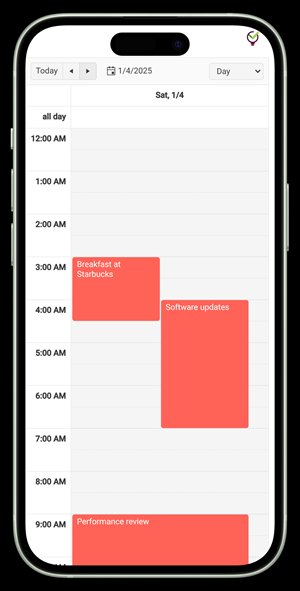
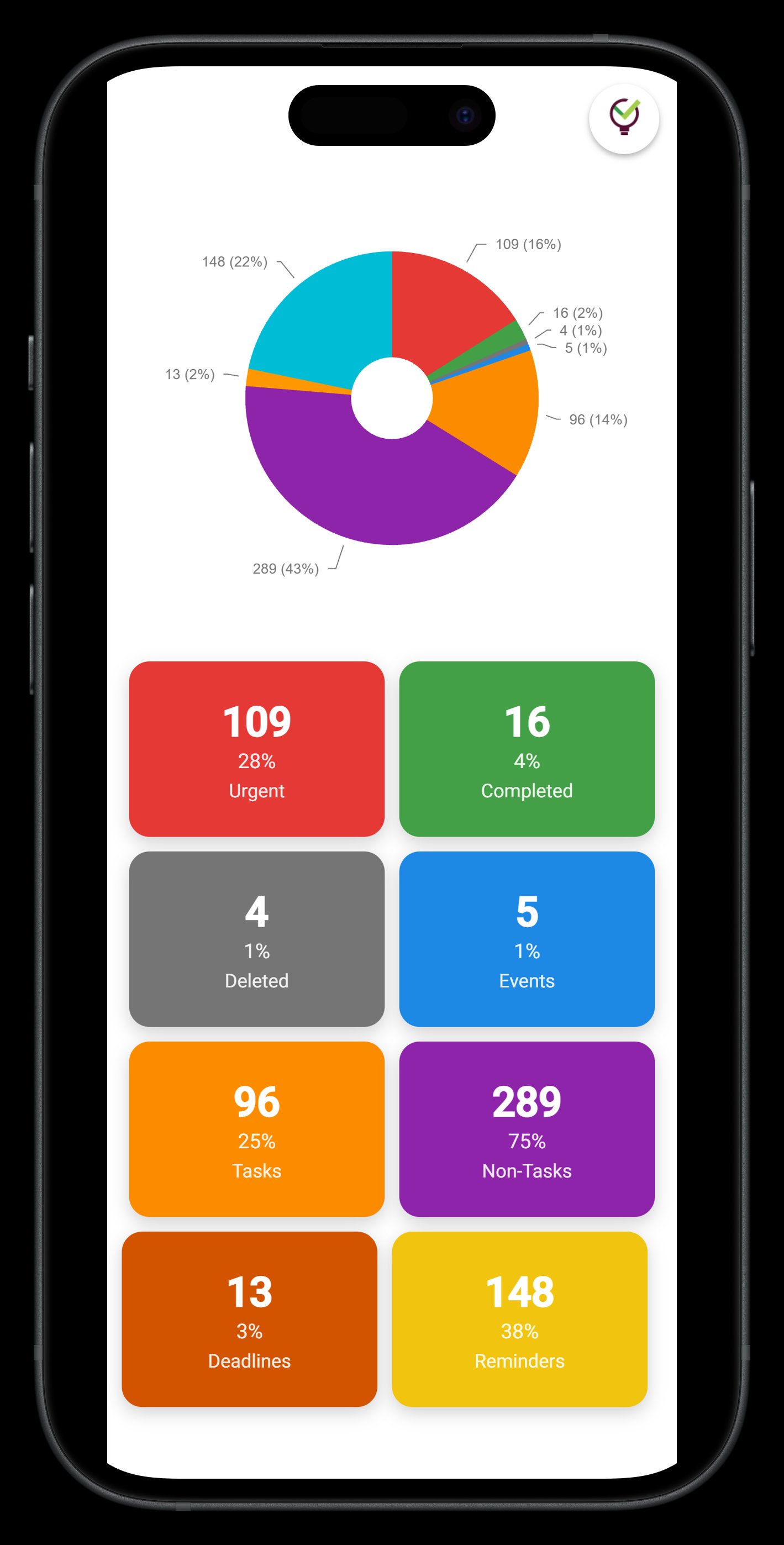
TaskLoco Lite is a free native app (iPhone and Android) — fully anonymous, no account, no sign-in, up to 20 notes stored on your device. It's the fastest possible way to try the capture habit. Lite Plus+ is a free web app that adds cross-device sync and bumps the limit to 30 notes. Premium removes all limits and adds reminders, file attachments (10GB), calendar view, and team sharing.
TaskLoco Premium is regularly $9.99/month per person. Right now, charter members can lock in 50% off the regular price — forever. That means $4.99/month per person today. And if our price ever goes up, you still pay half. Always.
Code CHARTER50 auto-applies at checkout. First 500 spots only — once they're gone, this offer is gone permanently. Act fast while spots last.
Every Premium subscription includes unlimited notes, 10GB file storage, reminders, calendar, and team sharing. Each team member requires a separate subscription. 7-day free trial — no charge until day 8. Cancel anytime.
Free Options: TaskLoco
TaskLoco Lite
- Native iPhone & Android app
- Completely anonymous — no sign-in
- Data stays on your device
- Up to 20 notes
- Free forever
TaskLoco Lite Plus+
- Web app + Chrome extension
- Sign in with Google
- Wall syncs across all devices
- Up to 30 notes
- Free forever
Lock In 50% Off — Forever
7-day free trial. No charge until day 8. CHARTER50 auto-applies at checkout.
🔒 Lock In My Charter SpotSee TaskLoco in Action
Frequently Asked Questions
Why do I keep abandoning my to-do list app?
The most common reasons are capture friction (too many steps to add a task), an overwhelming list that produces anxiety instead of clarity, and a review process that's too cumbersome to maintain. The fix is a capture-first system: lower the barrier to adding tasks, keep your active list to three to five items, and replace the weekly review with a daily five-minute scan.
What's the best way to actually stick with a task system?
Keep it as simple as possible for as long as possible. Start with a single inbox — one place where everything goes — and a visible short list of your three to five most important active tasks. Add complexity only when the simple version breaks down. Most people never need more than that.
How many tasks should be on my active list at once?
Three to five. Research on working memory and practical experience both point to the same number: more than five and the list becomes a source of stress rather than a guide to action. Use a separate someday or backlog list for everything else, and promote items to your active list only when you're genuinely ready to work on them.
Is a physical sticky note better than a digital task app?
For visibility and simplicity, a physical sticky note on your monitor is hard to beat. It's always visible, has zero capture friction, and never sends you a notification asking you to rate it. The tradeoff is that it doesn't travel with you, doesn't remind you at a specific time, and can't carry attachments or context. A good digital tool replicates the visibility of a sticky note while adding those capabilities — TaskLoco is literally built around this metaphor.
How do I stop my task list from becoming an overwhelming graveyard?
Archive ruthlessly. Any task that hasn't moved in two weeks is either not a real priority or needs to be broken into a smaller first step. Set a rule: if it's been sitting untouched for 14 days, it either gets deleted, deferred to a someday list, or rewritten as a concrete next action. A shorter, accurate list always beats a long, aspirational one.
What makes TaskLoco different from other to-do apps?
TaskLoco is built around the sticky-note model — capture-first, always visible, minimal friction. The Chrome extension captures any webpage as a note in one click. The wall view keeps all your notes on screen at once. Premium reminders arrive as push notifications that deep-link back to the original note, so you land exactly where you need to be. And team sharing works like email — no permissions, no configuration, just share and the recipient can clone and own the note. $9.99/month per person (currently $4.99/month per person for first 500 charter members with code CHARTER50)
Does TaskLoco have a free version I can try?
Yes — two of them. TaskLoco Lite is a free native app for iPhone and Android: completely anonymous, no account or sign-in required, stores up to 20 notes on your device. TaskLoco Lite Plus+ is a free web app that syncs across all your devices and supports up to 30 notes ��� sign in with Google. Reminders, file attachments, unlimited notes, calendar view, and team sharing are Premium features. $9.99/month per person (currently $4.99/month per person for first 500 charter members with code CHARTER50)
Born in Brooklyn. Powered by AWS. Your data stays yours.
TaskLoco is available on iPhone, Android, Chrome, and every web browser.