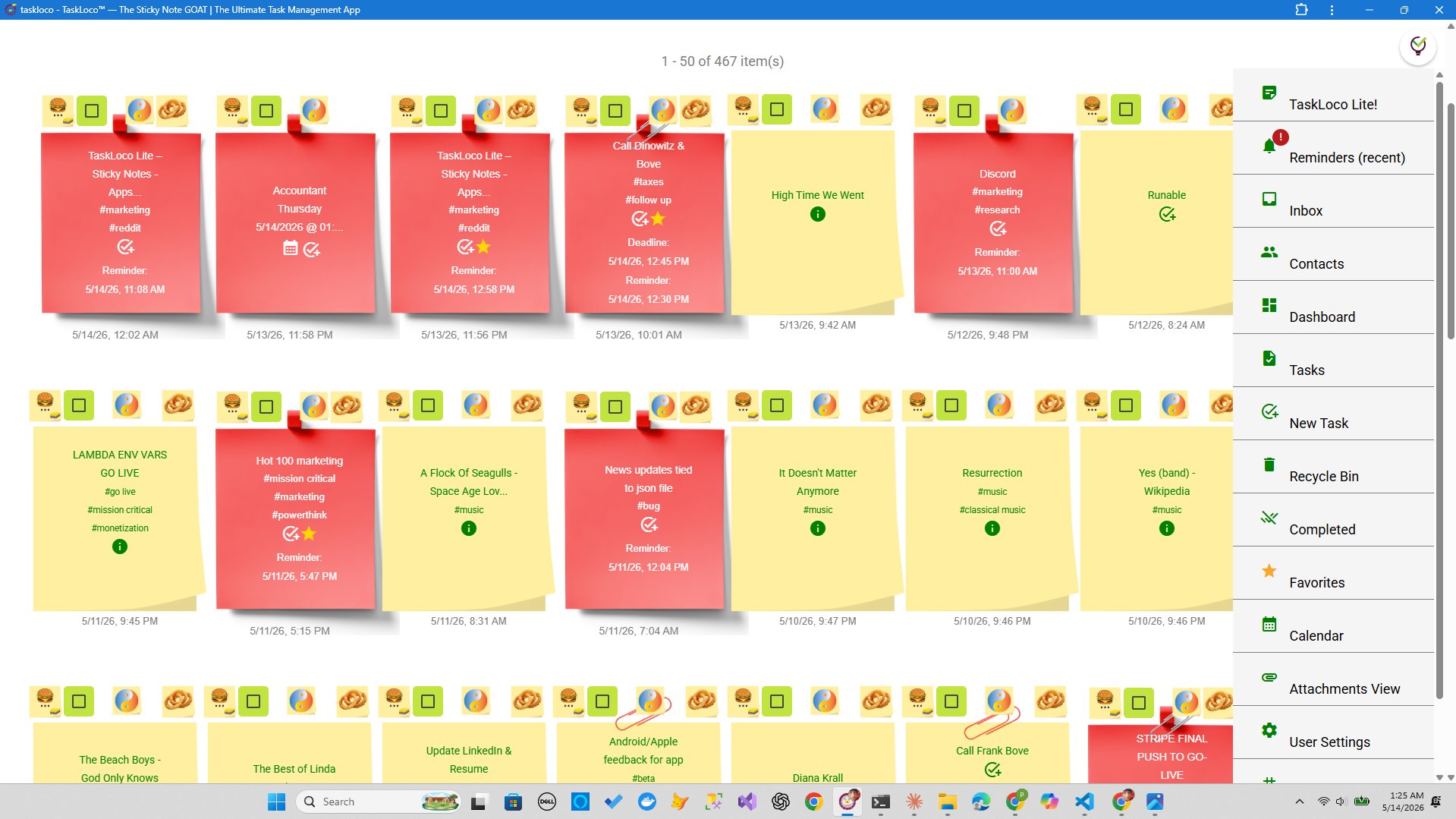
Your waitress remembers every detail of your complex order — until she delivers your food. Then she forgets you exist. That's the Zeigarnik Effect in action: our brains obsess over unfinished business and immediately forget completed tasks.
This psychological quirk, discovered by Soviet psychologist Bluma Zeigarnik in the 1920s, explains why you can't stop thinking about that half-written email or why song lyrics get stuck in your head when you only remember fragments. More importantly, it reveals how to hack your brain's natural wiring to become dramatically more productive.
TaskLoco Premium is regularly $9.99/month per person. Right now, charter members can lock in 50% off the regular price — forever. That means $4.99/month per person today. And if our price ever goes up, you still pay half. Always.
Code CHARTER50 auto-applies at checkout. First 500 spots only — once they're gone, this offer is gone permanently. Act fast while spots last.
Every Premium subscription includes unlimited notes, 10GB file storage, reminders, calendar, and team sharing. Each team member requires a separate subscription. 7-day free trial — no charge until day 8. Cancel anytime.
Free Options: TaskLoco vs General Productivity
TaskLoco Lite
- Native iPhone & Android app
- Completely anonymous — no sign-in
- Data stays on your device
- Up to 20 notes
- Free forever
TaskLoco Lite Plus+
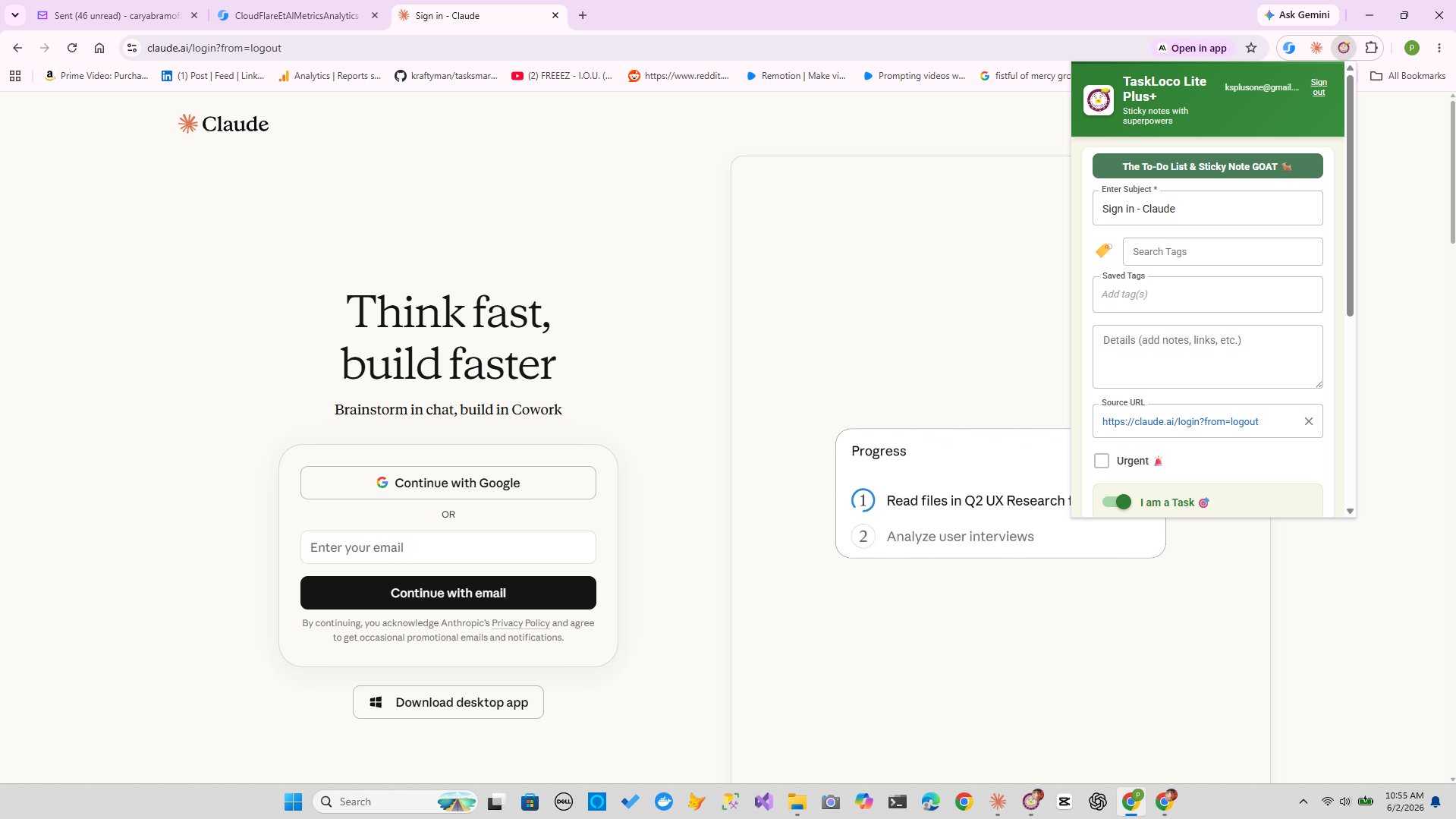
- Web app + Chrome extension
- Sign in with Google
- Wall syncs across all devices
- Up to 30 notes
- Free forever
What Is the Zeigarnik Effect?
Bluma Zeigarnik noticed something odd while sitting in a Vienna café. Waiters could perfectly recall complex orders for tables they were serving, but once they delivered the food, they couldn't remember what those same customers had ordered. The moment a task was complete, it vanished from their working memory.
Her experiments confirmed this pattern: people remember interrupted tasks 90% better than completed ones. Your brain dedicates mental resources to tracking unfinished work, creating what researchers call task-specific tension. This tension only releases when you either complete the task or make concrete progress toward finishing it.
This isn't a bug in your mental operating system — it's a feature. Before smartphones and task managers, humans needed a reliable way to track incomplete survival tasks. The person who forgot to finish building shelter or gathering food didn't pass on their genes. Your scattered mind is actually an evolutionary advantage.
How to Weaponize Unfinished Tasks
Most productivity advice fights against the Zeigarnik Effect. Clear your mind. Don't think about work. Achieve inbox zero. This is backwards. Instead of quieting the mental tension, you should amplify it strategically.
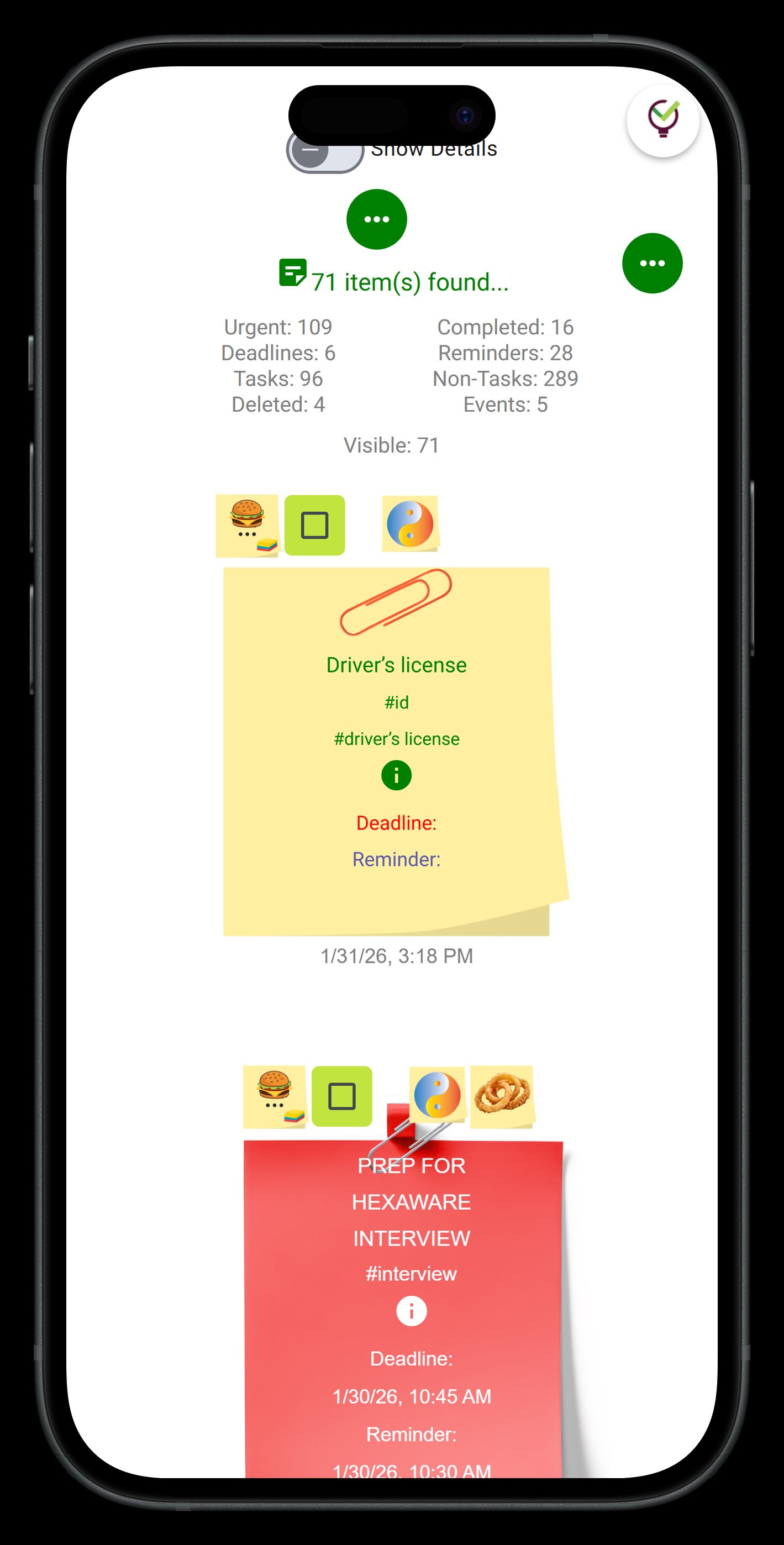
The key is controlling which unfinished tasks occupy your mental bandwidth. Your brain can only maintain tension for a limited number of open loops. Fill those slots with your most important work, and your subconscious becomes a productivity engine.
Start with intentional incompletion. When you're in the middle of a complex project, stop at a point where the next step is obvious. Ernest Hemingway famously stopped writing mid-sentence when he knew what came next. This created irresistible mental momentum that pulled him back to the typewriter the next morning.
Document your stopping point immediately. Write down not just what you were doing, but your exact thought process and next actions. This external note becomes an anchor that maintains the mental tension without requiring active memory.
The Sticky Note Strategy
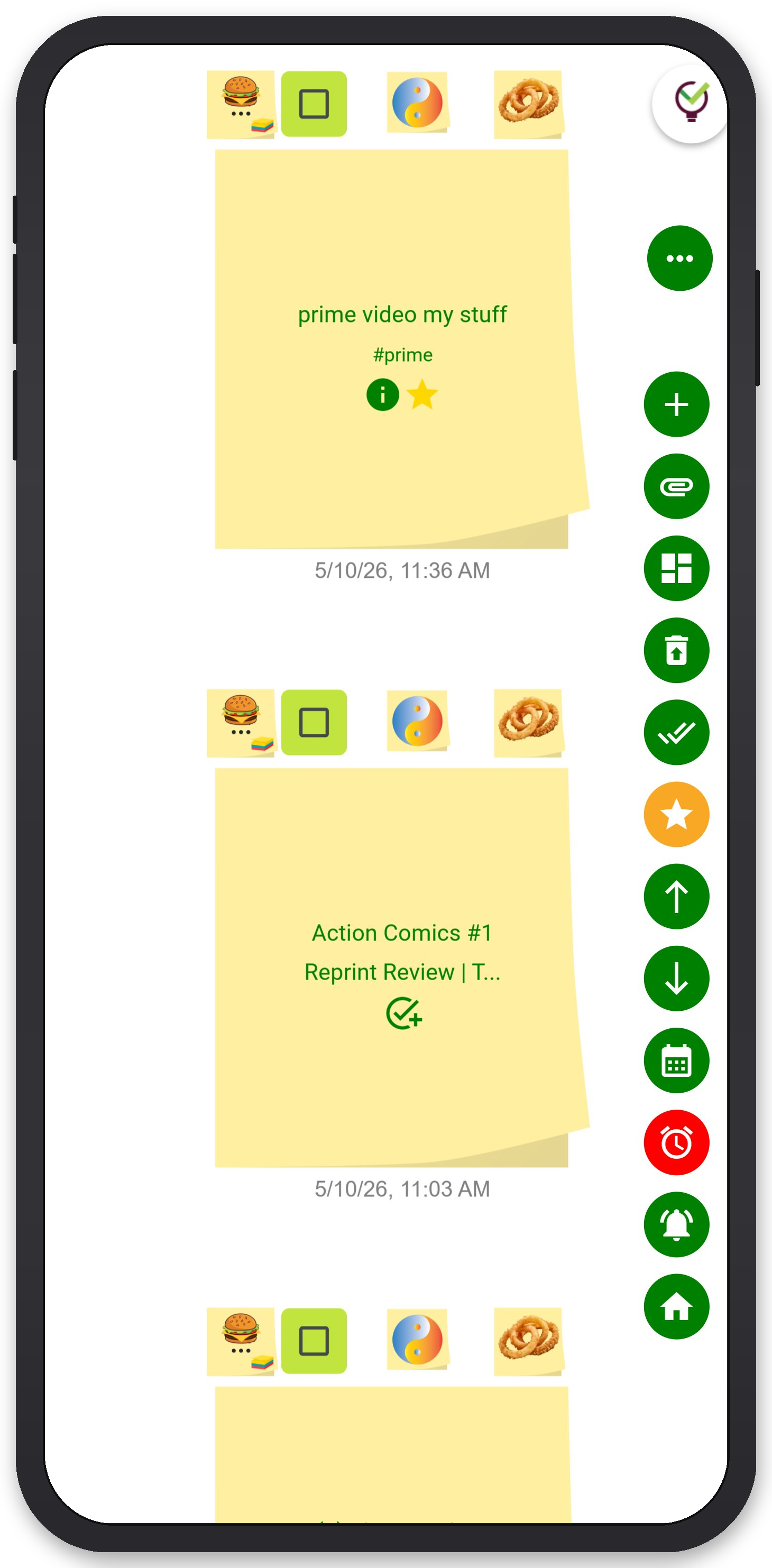
Physical sticky notes are Zeigarnik Effect amplifiers. Unlike digital reminders that disappear behind app icons, paper notes create persistent visual tension. Every time you see that bright yellow square, your brain receives a micro-reminder of unfinished business.
But traditional sticky notes have fatal flaws. They fall off. You lose them. You forget what cryptic abbreviations meant. You need the persistence of paper with the intelligence of digital.
TaskLoco bridges this gap by recreating sticky note behavior on your devices. Notes stay visible on your home screen until you explicitly mark them complete. No hidden menus. No forgotten notifications. Just constant, gentle pressure from your unfinished tasks.
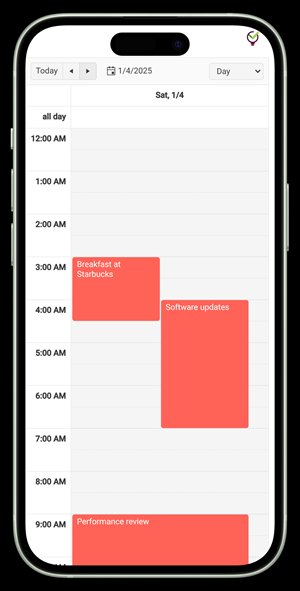
The calendar integration adds time-based tension. Seeing exactly how many days remain for a project deadline transforms abstract anxiety into specific urgency. Your brain responds differently to "I need to finish this" versus "I have 3 days to finish this."
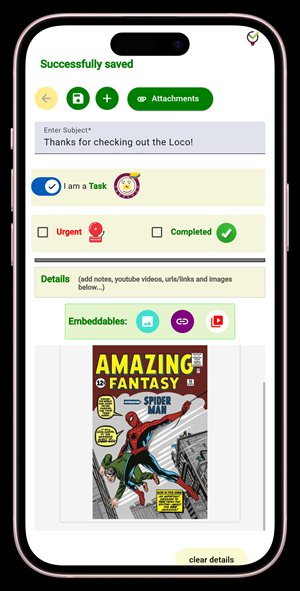
File attachments eliminate the context-switching that breaks mental flow. Instead of juggling separate documents, emails, and notes, everything lives in one persistent sticky note that maintains task-specific tension until completion.
Breaking the Overthinking Loop
The Zeigarnik Effect has a dark side. When you can't make progress on incomplete tasks, mental tension becomes mental torture. You end up with dozens of unfinished projects creating constant background anxiety without productive momentum.
The solution is aggressive task triage. Your brain can only maintain productive tension for 5-7 open loops simultaneously. Beyond that, the Zeigarnik Effect becomes the enemy of focus. You need ruthless systems for deciding which tasks deserve mental real estate.
Use the 24-48 hour rule. If you haven't made concrete progress on a task within 48 hours of creating it, either schedule specific time to work on it or delete it entirely. Limbo tasks are productivity poison.
Team sharing helps distribute cognitive load. When you delegate a task, the mental tension transfers to the recipient. But only if they can see the same persistent reminders you do. Email delegation fails because messages disappear into inboxes. Shared sticky notes maintain tension across team members until someone completes the work.
The weekly review becomes essential for Zeigarnik Effect management. Scan all open tasks and consciously decide which ones deserve continued mental attention. Close loops that no longer matter. This isn't giving up — it's cognitive hygiene.
The Honest Comparison
| Feature | TaskLoco | General Productivity |
|---|---|---|
| Visual persistence | Notes stay visible until marked complete — no hiding behind app icons FREE | Most apps bury reminders in notification centers or hidden menus |
| Intentional incompletion | Stop mid-task and capture exact context for mental momentum FREE | Traditional to-do apps focus on completion, not strategic stopping |
| Context preservation | Files, images, and notes in one place to maintain task-specific tension | Most tools require jumping between apps, breaking mental flow |
| Calendar tension | See exact days remaining to transform anxiety into urgency | Basic calendar apps don't create productive tension |
| Team tension transfer | Shared notes maintain Zeigarnik Effect across team members | Email delegation loses visual persistence and mental momentum |
| Offline mental anchors | TaskLoco Lite works completely offline for uninterrupted thought capture FREE | Cloud-only tools fail when you need to capture thoughts without internet |
| Cognitive load management | Simple interface prevents overwhelming your 5-7 task mental limit FREE | Complex project tools create cognitive overload |
| One-click capture | Chrome extension captures any webpage instantly for context preservation FREE | Multi-step bookmark systems break mental flow |
| Anonymous option | TaskLoco Lite requires no account — pure mental extension FREE | Most apps require sign-up, creating friction for immediate capture |
| Hemingway stops | Document where you stopped and why for tomorrow's momentum FREE | Traditional task apps focus on starting, not strategic stopping |
| Visual tension cues | Bright sticky note design keeps incomplete tasks psychologically active FREE | Minimal interfaces reduce productive anxiety |
| Deadline pressure | Calendar view shows time scarcity to amplify mental urgency | Static due dates don't create real-time pressure |
| Cross-device tension | Same incomplete tasks visible on phone, desktop, and browser FREE | Platform-specific apps break mental continuity |
| Micro-progress tracking | Update notes incrementally to maintain forward momentum FREE | Binary complete/incomplete systems ignore gradual progress |
| Natural language processing | Simple text input — no rigid formatting requirements FREE | Some apps parse language automatically for dates and priorities |
| Advanced project dependencies | No Gantt charts or complex project management features | Full project management tools handle complex workflows |
| Enterprise security compliance | No SOC 2 or enterprise SSO certifications | Enterprise tools meet corporate security requirements |
| API integrations | Limited third-party app connections | Zapier and extensive API ecosystem available elsewhere |
| Time tracking | No built-in time tracking or billing features | Dedicated time tracking apps offer detailed reporting |
| Advanced reporting | Basic completion stats only | Business intelligence tools provide detailed productivity analytics |
Who Should Use Each
Use TaskLoco if…
- You want to leverage psychological momentum from unfinished tasks
- You need visual persistence without app-switching friction
- You work solo or in small teams without enterprise requirements
- You capture thoughts quickly and need them to stay visible until complete
- You want simple tools that amplify natural mental processes
Use General Productivity if…
- You need natural language processing for automatic task parsing
- You require complex project dependencies and Gantt charts
- You need enterprise security compliance and SSO
- You want extensive third-party app integrations
- You need detailed time tracking and productivity analytics
Lock In 50% Off — Forever
7-day free trial. No charge until day 8. CHARTER50 auto-applies at checkout.
🔒 Lock In My Charter SpotSee TaskLoco in Action
Frequently Asked Questions
How many unfinished tasks can my brain handle productively?
Research shows 5-7 incomplete tasks is the mental limit before the Zeigarnik Effect becomes counterproductive. Beyond that, mental tension turns into anxiety without momentum.
Why do I obsess over unfinished work but forget completed tasks?
Your brain evolved to track incomplete survival tasks. The Zeigarnik Effect creates mental tension for unfinished business that only releases upon completion, helping ensure important work gets done.
How much does TaskLoco cost compared to other productivity apps?
$9.99/month per person (currently $4.99/month per person for first 500 charter members with code CHARTER50)
Should I try to clear my mind of all unfinished tasks?
No — that fights against your brain's natural wiring. Instead, strategically choose which 5-7 tasks deserve mental bandwidth and use tools like TaskLoco to maintain productive tension.
Why do sticky notes work better than digital reminders?
Physical sticky notes create persistent visual tension. Digital notifications disappear behind app icons, breaking the Zeigarnik Effect. TaskLoco recreates sticky note persistence digitally.
How do I stop overthinking unfinished tasks?
Use aggressive task triage. Apply the 24-48 hour rule: if you haven't made progress within 48 hours, either schedule specific work time or delete the task entirely.
Can I use the Zeigarnik Effect for creative work?
Yes — stop creative work when you know what comes next, not when you're stuck. This creates mental momentum that pulls you back to continue. Document your exact stopping point and next steps.
Born in Brooklyn. Powered by AWS. Your data stays yours.
TaskLoco is available on iPhone, Android, Chrome, and every web browser.